






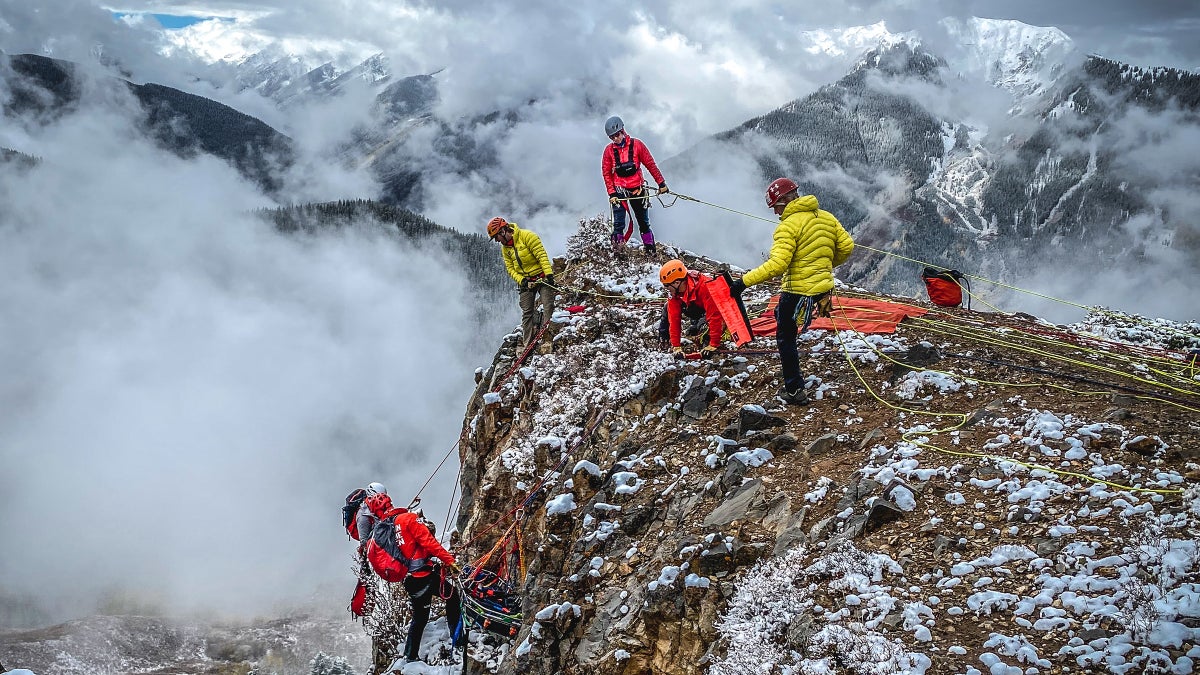
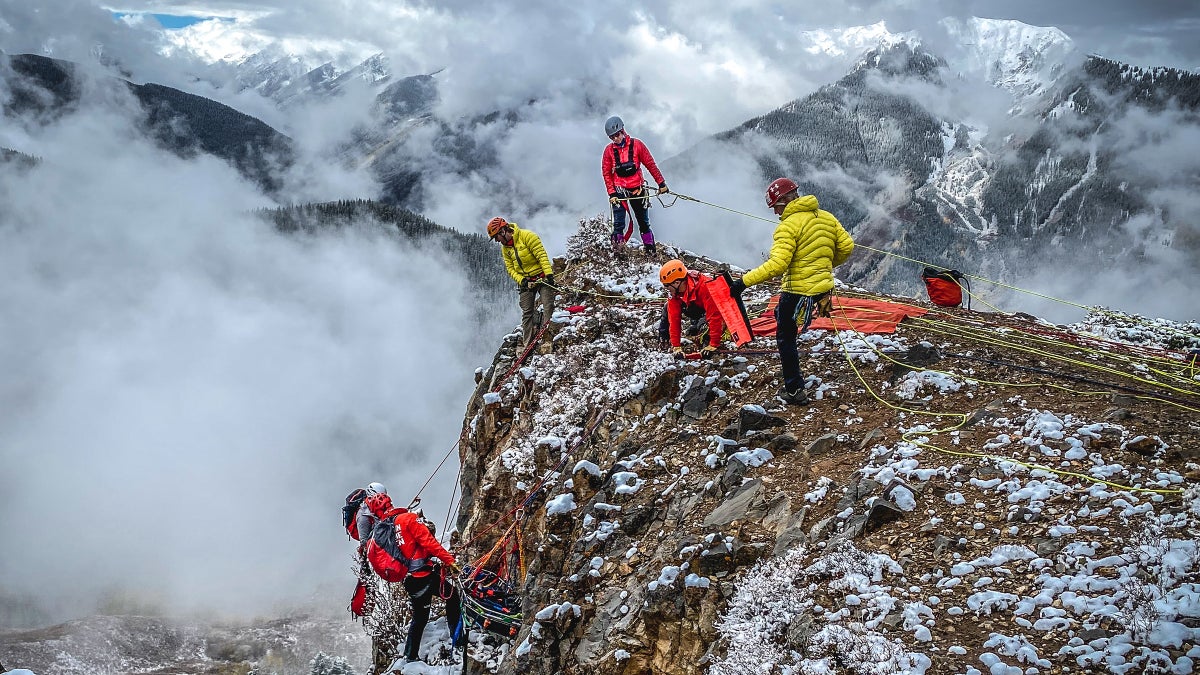
In Colorado, the backcountry search and rescue (SAR) squads are among the busiest in the country. These regional lifesaving teams respond to more than 3,000 incidents a year: everything from lost hikers, to injured skiers, to dogs stuck on the side of a cliff.
Most of these workers are unpaid volunteers who train for years to operate in difficult terrain, bad weather, and high-stakes uncertainty. You’d think the long hours, often in the worst conditions, would be a hard sell for would-be rescuers. Instead, it’s a magnet.
According to Anna DeBattiste, the public information officer for the Colorado Search and Rescue Association (CSAR), the number one question CSAR receives is: How can I join a SAR team?
“We’re all volunteers except for our executive director,” said DeBattiste, “which is pretty amazing when you think about it.”
Colorado is not alone—across the country, hopeful rescuers are pinging SAR squads asking to volunteer. We spoke with backcountry rescue veterans from multiple states to learn how prospective rescuers can join SAR.
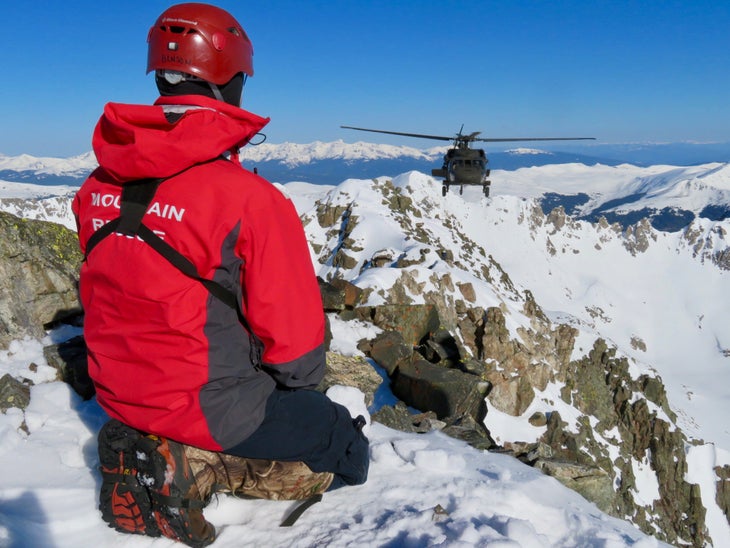
Being on a SAR squad signals a level of outdoor competence and public service that’s widely revered. But it requires a major commitment of time, tons of training, and the right gear—not to mention a lengthy apprenticeship to graduate from SAR rookie to trusted team member.
How SAR Teams Are Organized
Most backcountry SAR in the U.S. is a local responsibility, often coordinated by a county sheriff—though these relationships and jurisdiction vary by state. That said, what actually happens when a person calls for SAR is similar in most states.
Most rescue missions operate under the Incident Command System (ICS), the standard management plan for emergency situations in the U.S, which is run by the Federal Emergency Management Agency (FEMA). The ICS spells out the hierarchy of different personnel during an emergency, and defines their roles. Different SAR teams often use different titles for members. Often, these tiles are reflected by the seniority: candidate/probationary member, field member, field leader, and incident management roles.
With the exception of some U.S. national park units that use paid professionals, backcountry SAR teams rely on volunteers for field work. This includes state-level organizations like CSAR, which coordinates resources across the 50 or so SAR teams in Colorado.
Identify the Right Team
Want to join a SAR team? The first step is to do some basic research about which squad serves your geographic region.
“There’s no consistency in how the teams recruit and what they look for other than most teams require you to live in the county you serve,” DeBattiste said.
DeBattiste is a member of the Summit County Rescue Group. That team oversees rescues in and around one of the most popular backcountry areas in the nation. Ski resorts such as Keystone, Breckenridge, and Copper Mountain fall under its jurisdiction.
Anyone wanting to join one of Colorado’s 50 SAR squads should first check out the CSAR website, which lists these teams according to region.
That information isn’t always readily available in other states. Chris Boyer, executive director for the National Association For Search And Rescue (NASAR), a SAR volunteer advocacy and education group, said the easiest way to contact your local SAR team is by reaching out to the sheriff or police.
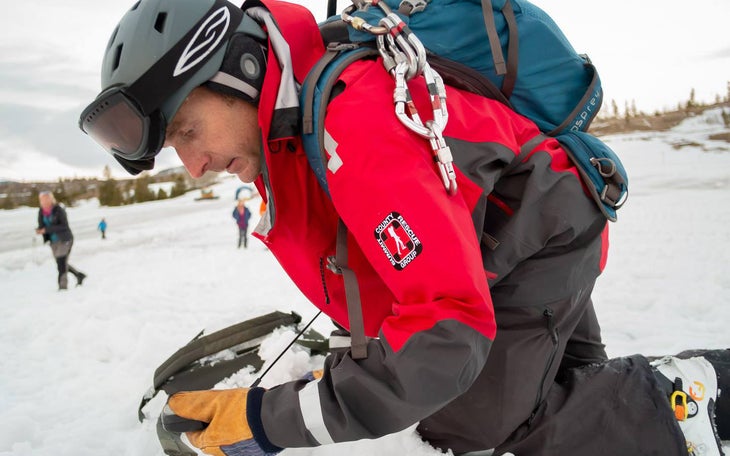
“Join the SAR team that they’re using,” Boyer said. “A volunteer team—however well-meaning—that’s not working with local law enforcement probably isn’t being very helpful in the search and rescue world.”
Once you’ve identified the team, make contact. Most squads have websites and social media pages.
“Be sticky,” said Drew Clymer, a veteran member of Stowe Mountain Rescue and the search and rescue coordinator for the State of Vermont. Clymer listed some helpful questions that prospective SAR members can ask. “Can I come to your meetings? Do you mind if I observe your trainings?” Clymer added. “Those are the things I look for when I’m recruiting people. I want to know if they’re going to stick.”
Expect to Wait a While
It’s rare to walk onto a SAR team after sending an email or making a phone call. Most groups organize a period of the year when prospective members can apply. La Plata County Search and Rescue, a small, rural team based out of Durango, Colorado, holds an annual “Recruitment Day.” That’s when the SAR members meet with recruits.
Summit County Rescue Group opens an online application for new recruits every two or three years. After the application period, Summit County SAR conducts in-person interviews on an invitation-only basis.
Clymer’s team in Stowe accepts new team member applications in November and December, on an every-other-year basis. “Our cycle is a two-year cycle because it takes us two years to fully train someone,” he said. “We invest a lot of time in our new members.”
Match Your Skills (and Your Gear) With the Terrain
SAR teams want volunteers who are already confident and experienced in tough backcountry terrain. Experienced hikers, skiers, climbers, paddlers, snowmobilers are all sought-after recruits.
“Consider the kind of terrain that the team you’re aspiring to join serves, and what they say their specialties are,” DeBattiste said.
If a new recruit is deemed worthy, SAR officials then train them on the details of lifesaving and rescues. After completing this basic training, and making it through any required probationary period, SAR team members will often specialize in a specific type of rescue. Advanced courses offered by experienced SAR officials focus on ground search, swift water rescue, avalanche recovery, and other specialities.
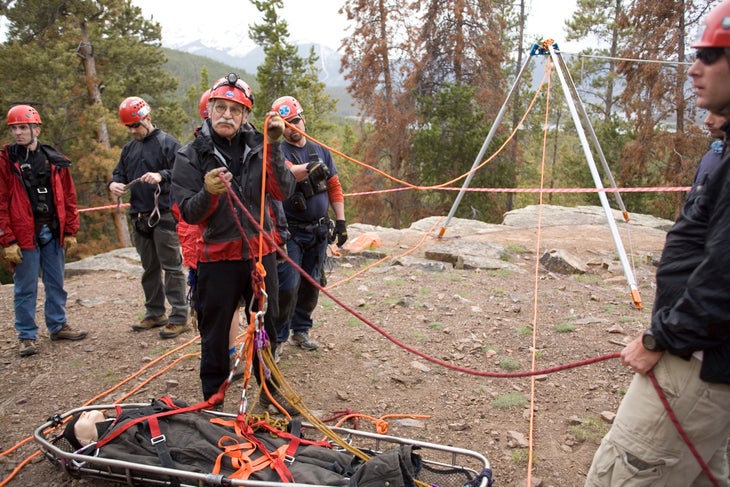
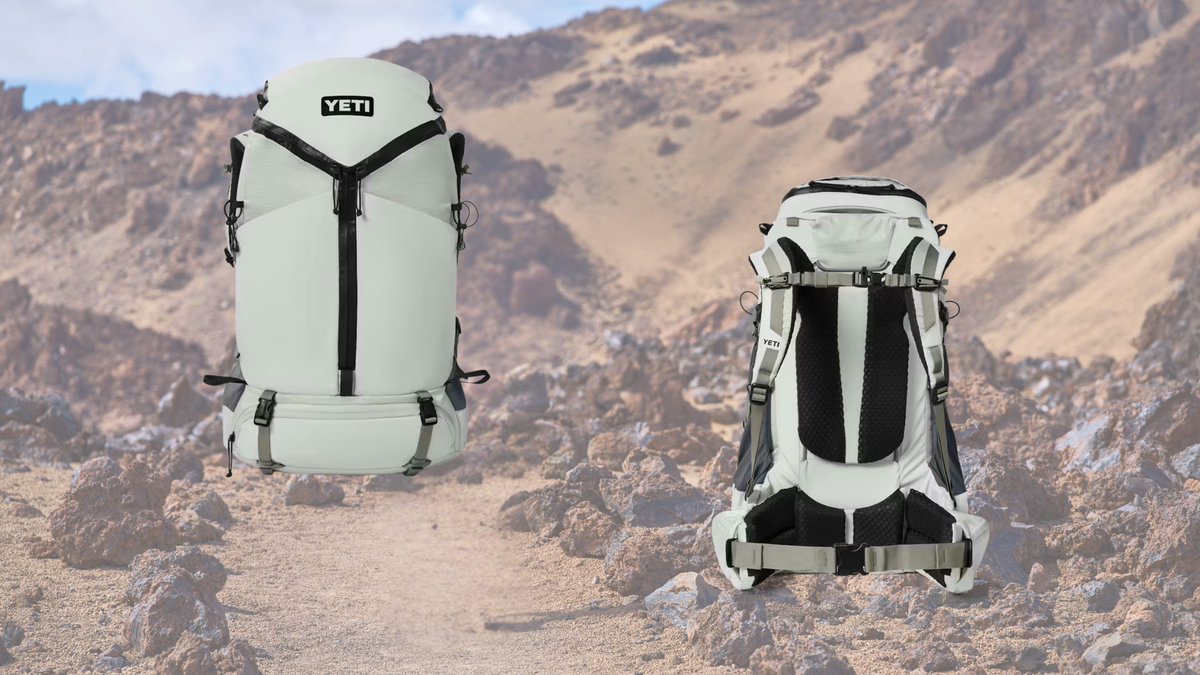
Most teams expect new recruits to have their own gear, such as a helmet and harness, and what DeBattiste calls a 24-hour pack. This is a bag with enough backcountry gear and lifesaving materials for the person to be self-sufficient if the mission stretches overnight. “All the things we tell the general public that they need to carry, like food and water, sunscreen, extra layers, a tarp, fire-starting materials, a headlamp—but magnified by the fact that you could very well be out searching for 24 hours,” she said.
Bob Calkins, president of Washington state’s Search and Rescue Volunteer Advisory Council (SARVAC), and former member of Kitsap County SAR, said new members can spend upwards of $1,000 buying new gear. This figure depends on how much backcountry stuff they already own.
But SAR members do enjoy some perks after being hired. Many gear brands offer discounts for lifesaving personnel. “We all live for pro deals,” said DeBattiste.
Learn Basic Medical Training
In some areas, joining a SAR squad is extremely competitive: DeBattiste said her team recently received 100 applications for just 12 open spots. One way for a prospective rescuer to stand out is by having basic medical training on your application.
“In Washington we require CPR/First Aid certification, which you can do through the American Red Cross,” Calkins said. “Then, once you’re on the team, we build on that with wilderness first aid.” Many teams also require applicants to have Basic Life Support (BLS) training.
In Stowe, Clymer said that rescuers are required to complete either an EMT (Emergency Medical Technician) or EMR (Emergency Medical Responder) certification, and to undergo continuing education courses to maintain it. “Ideally you already have this, or have started the orientation process prior to applying to join our team,” he said.
Some teams also require a background check and driving record with an application.
Don’t Underestimate the Time Commitment
The interview that Summit County Rescue Group conducts with potential recruits takes half a day to complete. During the ordeal, interviewees must go to multiple stations where they’re challenged to respond to different rescue scenarios.
If a recruit passes this test, he or she still must undergo a training or observation period, which can span three to four months. The training typically includes classroom instruction and field work.
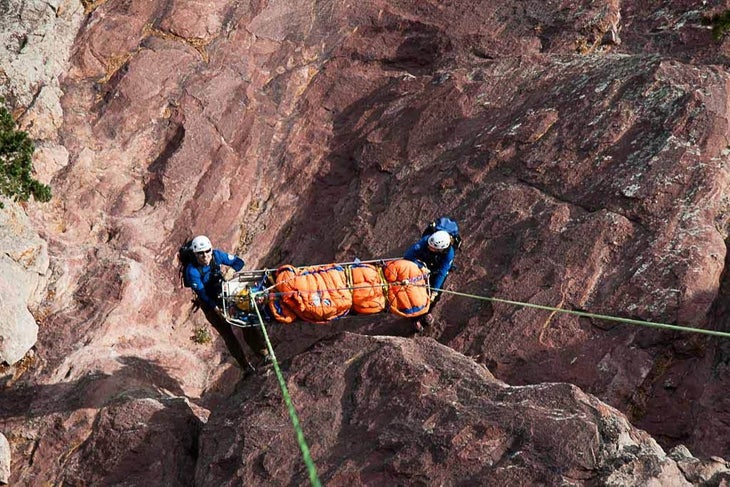
“There are two full weekends in the classroom, so four eight-hour days, and then three weekends in the woods where you go in at 7 P.M. Friday night and you don’t come out until 4 P.M. Sunday afternoon,” Calkins said. “Those are typically done in the winter so that you learn how to do everything in cold, inclement weather.”
Teams invest heavily in new members. They want these new recruits to remain on the team for years to come. “At least three to five years of service,” said Clymer.
Joining a SAR team presents challenges, even for people accustomed to volunteering, or for those with plenty of free time. Rescues often happen at inconvenient hours, like after dark, or on weekends and holidays when more people are outside. “You’ve just sat down to Thanksgiving dinner or put an expensive cut of meat on the barbecue and the pager will go off,” Calkins said.
Sources told Outside that the biggest reason for a SAR recruit’s success isn’t skills or fitness—it’s whether he or she has a schedule that can accommodate the demand of rescues.
Your Background Matters Less Than Your Attitude
People come to Stowe Mountain SAR with a variety of professional backgrounds, Clymer said.
“One of our team members is a retired military mountain warfare instructor, one’s a state trooper, a couple of them are IT people, a couple are engineers, one of them is a conservation land trust person,” Clymer shared. “What we have in common is a passion for the outdoors and for serving our community by rescuing people.”
DeBattiste said the Summit Rescue Group receives applications from skilled and experienced hikers, skiers, and climbers, but there’s one thing that matters more. “We get doctors, we get professional climbing guides—and that’s all great—but what we’re really interested in is, how well do you work in a team?” she said.
Clymer said his most valuable advice for a prospective SAR team member is to be curious and open to learning new skills. “Have a learner’s mindset; be coachable; be humble, humble, humble,” he added.
The post Want to Join Search and Rescue? Be Patient, Persistent, and Positive. appeared first on Outside Online.