






With 789 cases and counting, the current measles outbreak in South Carolina is now the nation’s largest since measles was officially eliminated in 2000. The highly contagious virus “is circulating in the community, increasing the risk of exposure and the risk of infection for those who are not immune due to vaccination or natural infection,” the state’s Department of Public Health says on its website.
Measles is spreading especially quickly among unvaccinated individuals—692 of the South Carolina cases are in unvaccinated individuals—just as it did in the large outbreak in Texas last year, which ultimately sickened 762, hospitalized 99, and killed two children.
Yet despite that recent experience, the Department of Health and Human Services insisted last month that this time wouldn’t be that bad.
In a December 16 email to Mother Jones, at which time South Carolina already had more than 100 cases, a spokesperson from HHS downplayed the threat of measles in South Carolina. “CDC is not currently concerned that this will develop into a large, long-running outbreak as was seen in Texas earlier this year and whose outbreak has been declared over,” wrote HHS press secretary Emily Hilliard in bold text.
When I followed up on Tuesday this week to ask for comment on those earlier predictions, a spokesperson did not address my question but instead stated that “CDC is working closely with South Carolina health officials, including through regular coordination meetings.” The spokesperson added that the agency had provided $1.4 million in financial assistance to the state, and that “most cases are occurring in an under vaccinated immigrant community in the Spartanburg area.”
In an emailed statement, South Carolina state epidemiologist Linda Bell wrote that DPH was currently collaborating with CDC on surveillance, testing, reporting, and outbreak control measures. “Due to the fact that measles has been rare in the U.S. for over twenty years, we have benefitted from [CDC] experts,” she wrote.
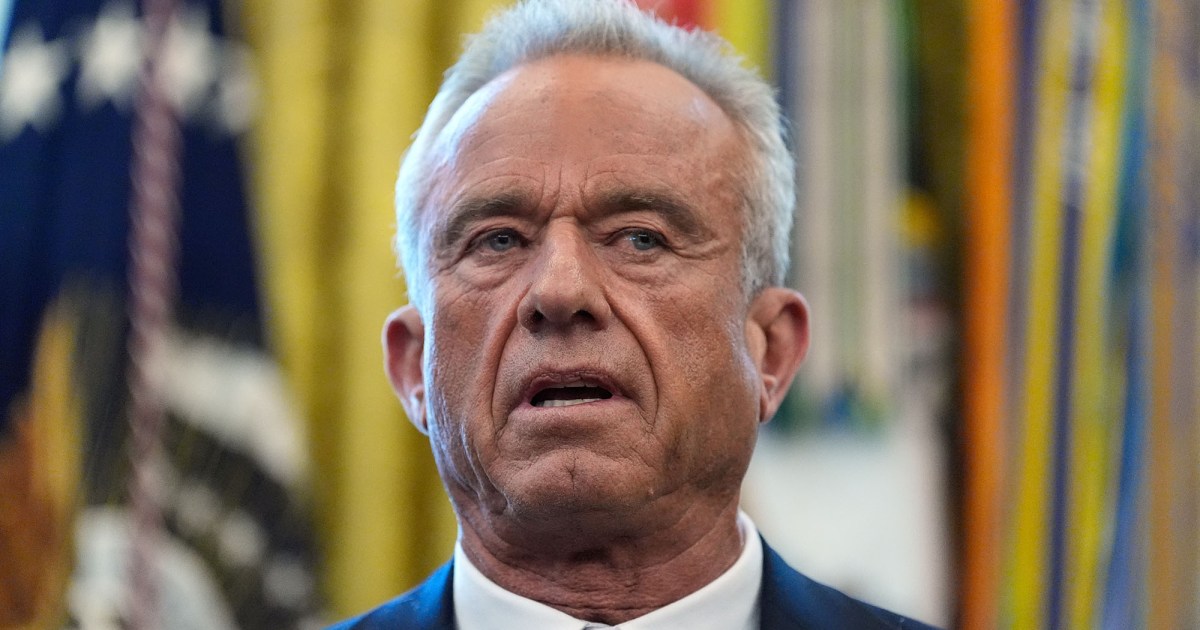
In her December email to Mother Jones, HHS’ Hilliard insisted that “Secretary [Robert F.] Kennedy [Jr.] has been very clear that vaccination is the most effective way to prevent measles. Any attempts to spin this are baseless.”
In the email this week, the HHS spokesperson reiterated that “vaccination remains the most effective way to prevent measles, and the Secretary has been clear and consistent on this point.”
Yet at the height of Texas’ measles outbreak last year, Kennedy speculated that the measles vaccination had harmed children in that state. He also falsely claimed that officials “don’t know what the risk profile” is for vaccines that prevent measles.
In a press conference last week, CDC principal deputy director Ralph Abraham said of South Carolina’s outbreak, “We have these communities that choose to be unvaccinated,” he said. “That’s their personal freedom.” If the United States loses its measles elimination status, he added, that’s the “cost of doing business.”