









The common mid-afternoon decline in alertness is a well-documented phenomenon. You are in a serious board meeting, the quarterly projections are up on the screen and suddenly you may experience a noticeable decline in cognitive performance. Common explanations include heavy meals, insufficient sleep or caffeine intake. But there may be another factor: suboptimal indoor air quality?
In the context of modern healthcare and corporate facilities, this is biologically plausible. We spend millions on wellness programs, ergonomic chairs and mindfulness apps to boost productivity. Yet, we ignore the continuous exposure to elevated levels of particulate matter and carbon dioxide in typical indoor environments. We are expecting optimal cognitive performance in environments that may not support it due to inadequate air circulation and poor filtration.
The ROI of “Smart Air”
In the healthcare sector specifically, the stakes are higher than just a sleepy admin team. We are talking about diagnostic accuracy, surgical precision and split-second decision-making. When you look at the operational budget, air filtration is often categorized as a maintenance expense and seen primarily as a cost to be minimized.
This mindset is a strategic error. Air quality should be regarded as a performance asset, not merely a cleaning expense.
To support cognitive performance, facilities should consider upgrading beyond standard compliance filters. We need to be looking at advanced filtration materials capable of trapping ultrafine particles (PM2.5 and smaller) that bypass the body’s natural defenses and directly enter the bloodstream. When you deploy medical-grade media like the solutions engineered by MANN+HUMMEL, Camfil or Donaldson, you are not just cleaning the air; you are effectively scrubbing the environment of the very agents that trigger neuro-inflammation and cognitive fatigue.
Just as surgeons require optimal conditions to perform effectively, decision-makers benefit from environments that support cognitive function.
The Data Doesn’t Lie
If there is skepticism regarding these claims, recent data provides strong support. The impact of air quality on the brain is quantifiable, and the numbers are absolutely staggering.
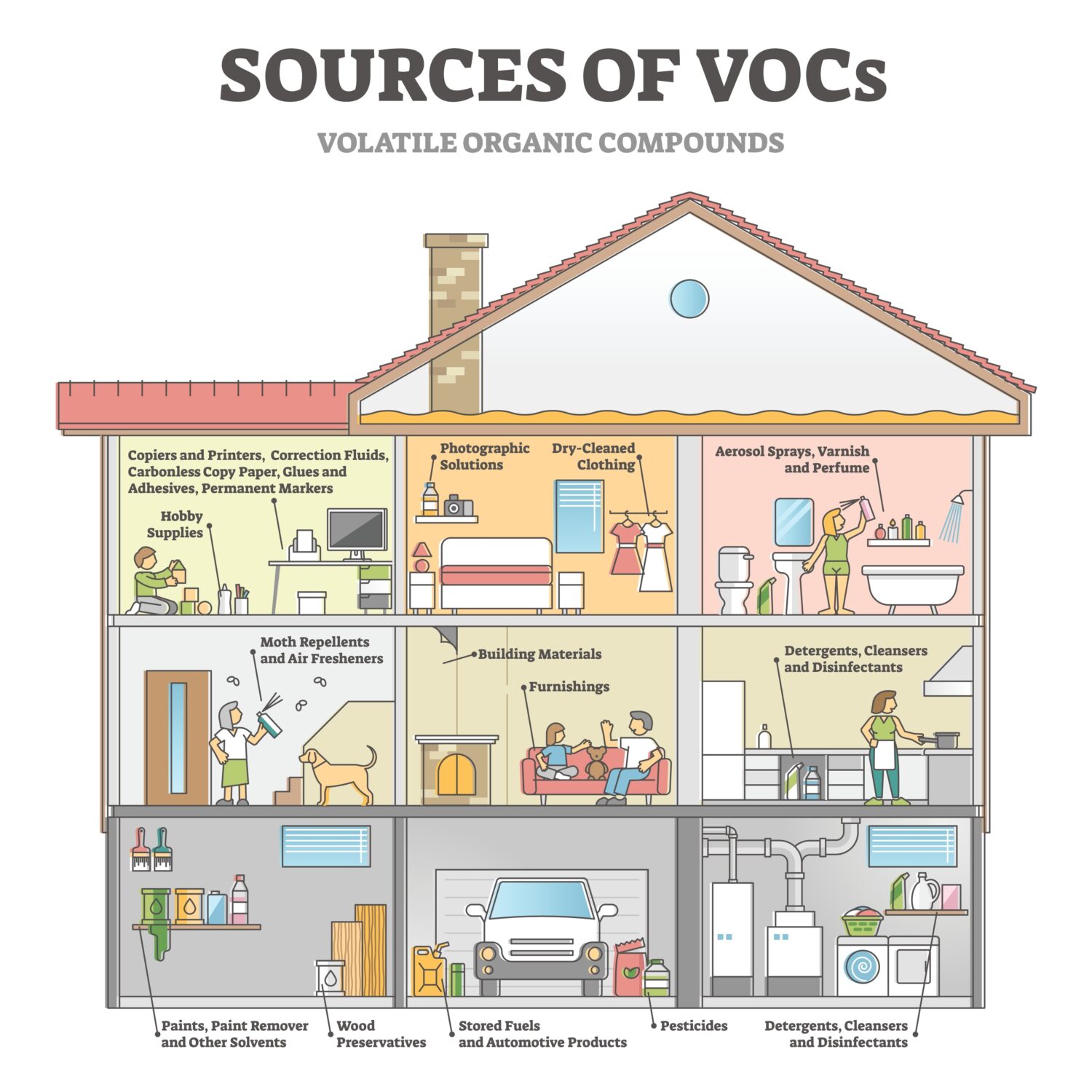
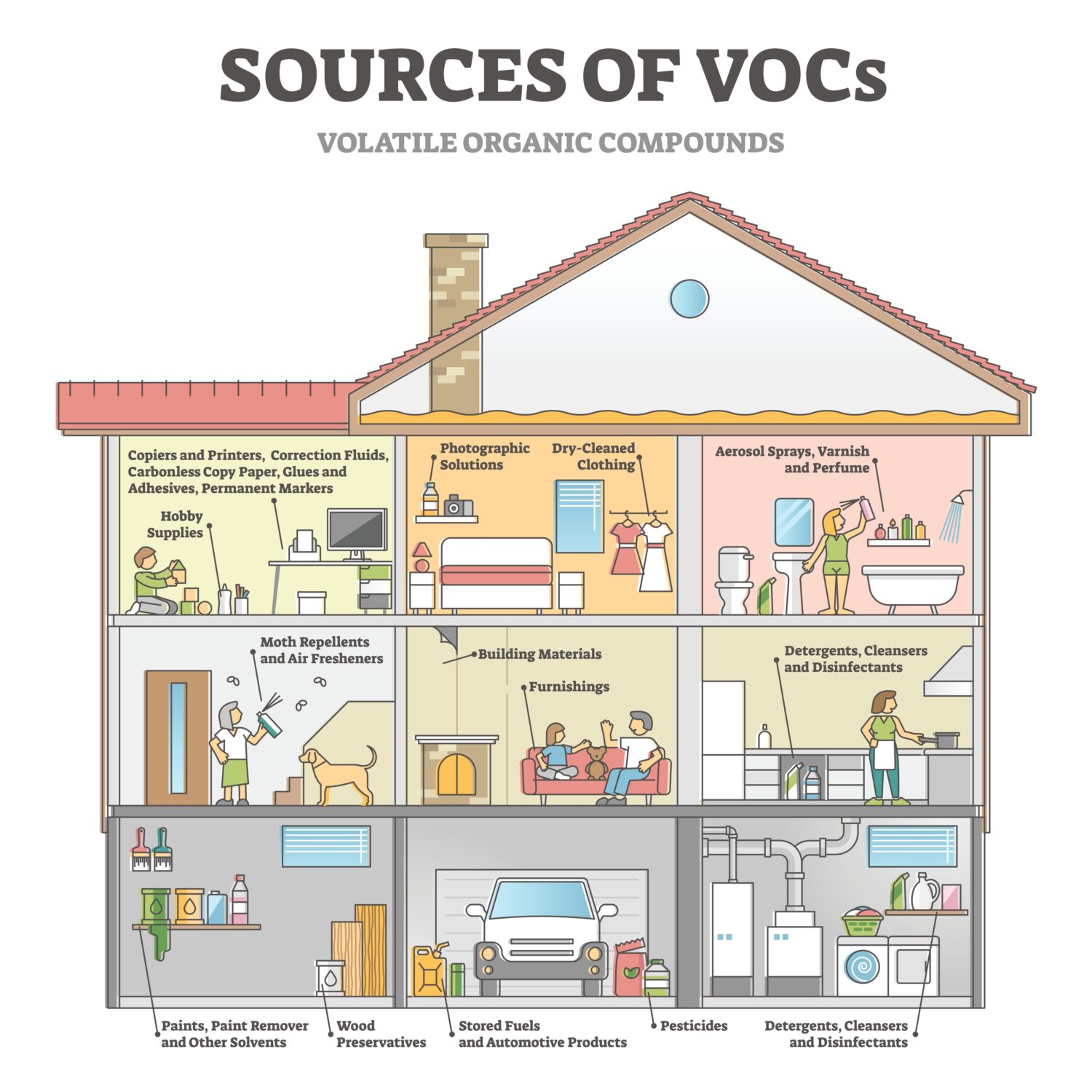
A significant milestone study by the Harvard T.H. Chan School of Public Health, known as the COGfx Study, substantially changed how we view indoor environments. The researchers found that occupants in buildings with enhanced ventilation and lower volatile organic compounds (VOCs) scored significantly higher on cognitive function tests than those in conventional buildings.
How much higher? Cognitive scores were 101% higher in the “Green+” environments. By simply improving the air quality, you could potentially double the cognitive output of your workforce regarding crisis response, strategy and information usage.
The Pitfalls of Overemphasizing Energy Efficiency
For the last twenty years, the trend in healthcare architecture has been “tight” buildings. We seal them up to prevent thermal loss, optimizing for energy efficiency (LEED points) above all else. While this is beneficial for utility costs, it can be detrimental to human occupants if the filtration isn’t up to par.
A sealed building traps bio-effluents, CO₂ and off-gassing chemicals from furniture and carpets. A poorly ventilated building can accumulate low-level indoor air pollutants. Such buildings retain heat effectively but may inadvertently restrict fresh air exchange.
A forward-thinking strategy is to address energy efficiency and air quality as distinct yet equally important objectives. You can have both, but only if you invest in high-performance filtration media that offers low pressure drop (saving energy) while maintaining high capture efficiency (saving brains).
The Verdict: Prioritize Air Filtration Investments
Visible employee perks such as standing desks, gym memberships and healthy snacks are popular. They are great for morale and look good on the recruitment brochure.
However, to make a substantive impact on health outcomes and performance (whether that’s patient recovery rates or the strategic output of your leadership team), facilities should re-evaluate their air quality systems.
Air filtration is the single most underrated investment in the healthcare space because it is invisible. The benefits are most apparent in reduced symptoms such as headaches and cognitive fatigue, and improved concentration during key periods.
So, next time you are reviewing the facility budget, do not reduce investment in premium air filters; in fact, increasing this investment can yield significant benefits for performance and wellbeing.