








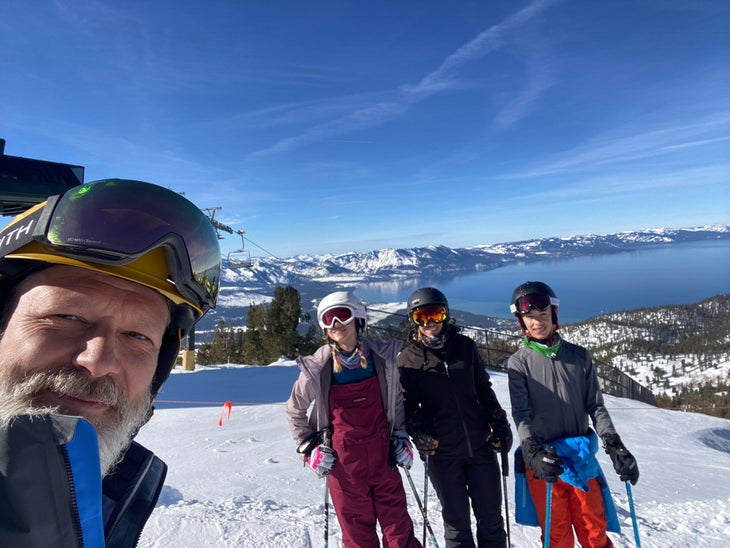
I love ski season. I hate ski season. Let me explain. On the one hand, winter brings fresh powder, steep descents, and the chance to traverse beautiful glades. Skiing has helped define my life for more than 30 years. On the other hand, skiing isn’t cheap. If I want to ski with my family, I can kiss all of my disposable income goodbye.
The sport has always been pricey, but rising lift ticket costs are starting to price middle income folks like me out of the game altogether, especially if you’re buying passes for a whole family. Take your daily lift ticket price, and multiply it times four. That’s the economic reality that I’m looking at every winter. I can either pay for my kid’s braces, or we can go ski Vail. I can’t do both.
Thank god for the mega pass. The Ikon, the Epic … those multi-resort cards that offer lift access at a drastically reduced price are often blamed for the overcrowding of our ski resorts, and rightfully so. But they’re also the only way I can afford to take my family skiing these days.
Walk-up ticket prices are astronomical. Vail’s mid-week rate this season has reached $330. An unlimited season pass at Jackson Hole is a whopping $3,995. Who has that kind of money to drop on skiing? Don’t you have to feed your children? And make car payments?
It’s not just big name resorts that have raised their prices. Weekend tickets at the small hills near me here in North Carolina are $100, which might not sound too bad, but keep in mind that our mountains are tiny and fresh powder is scarce. If you break the cost down by vertical feet, the prices are on par with large western resorts.
American Resort Skiing Is Getting More Expensive
Somehow, the hefty price of lift tickets seems to be a uniquely American problem. The walk up, window rates for a full day ticket at Japan’s most sought after resorts are less than $100. Chamonix, considered the most expensive resort in the French Alps, tops out around $115 per person. It gets cheaper if you want to add ski days.
American resorts say the soaring costs are due to warming temps, which require more snowmaking, and the general cost of capital improvements, not to mention the rising insurance costs due to our litigious society. I have no doubt it’s become tougher to turn a profit in the ski industry, which means resorts have to raise their prices to keep the lifts turning, which means regular schlubs like me who don’t have trust funds have to rely on mega passes to keep feeding our powder addiction.
This is how “ski math” works. Resorts gouge their customers at the window, and their customers find a workaround. I’ve been practicing this sort of ski math for decades. When I lived in Boulder during graduate school, I took advantage of the Summit County pass, which got me something like 10 days at every single mountain within the resort-rich Summit County, so I spent my winters skiing the back bowls of Vail and the parks of Keystone for under $300 a season.
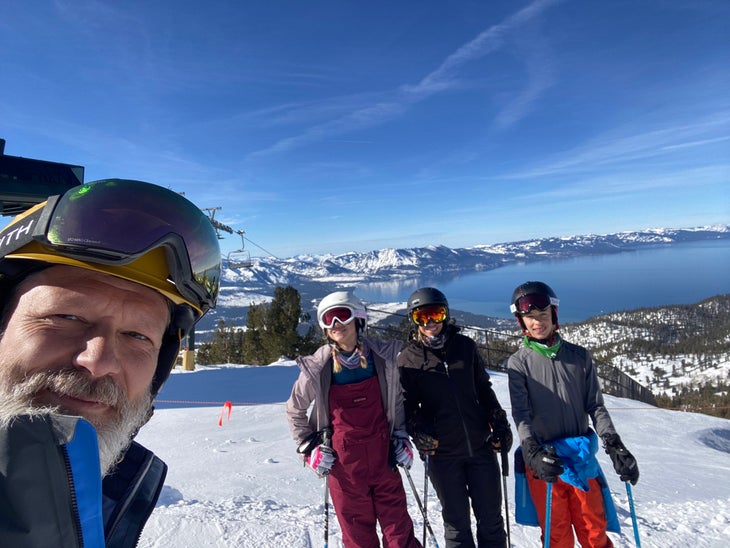
When my kids were really little, I took advantage of the toddler deals. At the closest mountain to my home here in Asheville, North Carolina, my kids skied free until they were five. I pushed it until they were seven because who’s going card a little kid? When they got good enough to justify a bigger ski trip out west, we sought out mountains that allowed kids 12 and under to ski for free, like Purgatory Resort outside of Durango, Colorado, and Copper Mountain near Denver.
The Multi-Resort Ski Pass Makes Skiing Almost Affordable
Now that both of my kids are 16, I’m stuck paying adult lift prices for both of them—and the only way to make it affordable is to go to a resort that’s on the Epic or Ikon. Those multi-resort passes typically reduce lift ticket prices by half or more. The number one complaint about these massive programs is the crowds that flock to the most popular resorts on each card’s roster. Remember those lift lines during COVID? I understand your frustration if you live in a ski town and have to deal with the hordes of out-of-towners like me who show up on your doorstep toting an Epic pass. Nobody likes to wait in a lift line, and these passes funnel more people to fewer resorts. I get it.
But I don’t think the resorts would survive at all without these passes. If every skier on the mountain had to pay $300 a day to ride the lift, then skiing would become even more of an elitist sport than it already is. Only the one percent would be able to ski, and that isn’t enough people to keep the lifts churning. Given the rising costs associated with operating a ski hill in 2025, you could argue that mega passes are subsidizing the operation of your favorite resort. Thousands of skiers pay into a single pot when they buy a multi-resort pass, and a piece of that money makes its way back to the resorts that participate. Skiers get to ski all over the world for half price, and the resorts earn a little profit. The financials work out for everyone because a lot of people who buy the multi-resort pass never use it. They buy the pass in spring thinking they’re going to ski 30 days next winter, but life gets in the way, and they only manage one rushed weekend on the slopes. But because so many skiers pay into the system, the slopes get to stay open. I’m simplifying the economics here, but the point is, maybe instead of getting frustrated with the tourists who show up and lengthen your lift line, tell them thanks. Maybe even buy them a beer.
And let’s be honest, even with the reduced rates associated with the mega pass, I can barely make our annual ski trips work from a financial standpoint. The multi-resort passes make skiing less expensive, sure, but it’s still not affordable. I spend most of the year saving for the annual family ski trip and trying to avoid other high costs like renovating bathrooms.
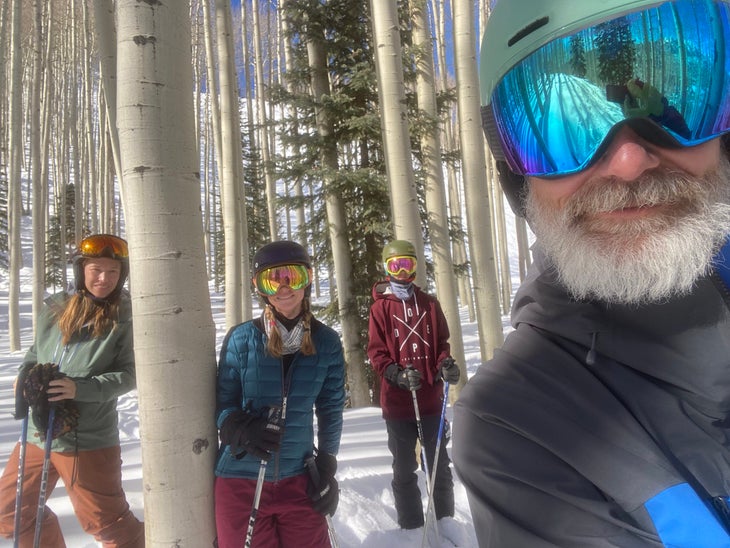
Part of me wishes I never introduced my kids to skiing when they were three years old. My grand plan back then was to get them addicted to the sport so that every family vacation would be centered around a massive ski trip. I saw it as a long-view bribe; if I continue to take my kids skiing, they’ll want to hang out with me well into their teens and twenties. Unfortunately, I didn’t think about the financial burden, because I’m now on the hook for an annual ski trip that gets more expensive every year.
One of my happiest moments as a parent was the first day my kids skied a sketchy tree line with me in Southwest Colorado. They were ten, and we were living my dream—shredding gnar as a family. We celebrated with a visit to the Waffle Cabin. Would I get the same charge out of running a 5K with my kids? I don’t think so.
To tell the truth, I would probably find a way to take my family skiing every winter, even if I had to pay full price at the window. I’d sell a kidney, or start an OnlyFans page where I chopped firewood shirtless for $5 a month. Because when you have teenagers, you have to grab the quality time with two hands and never let go. Getting a 16-year-old to sit down at the dinner table and engage in civil conversation isn’t always easy, but getting them excited about finding powder in Jackson Hole or sessioning tabletops at Northstar is a no-brainer. The quality time we spend together scarfing down pizza in an overpriced condo, or sinking into a hot tub, exhausted from a day of hunting tree lines, is absolutely priceless. Mega passes just make those priceless moments almost affordable.
Graham Averill is Outside magazine’s national parks columnist. He spends most of the off-season counting down the days to ski season. He recently wrote about the best hot springs near winter adventures.
The post In Defense of the Mega Ski Pass appeared first on Outside Online.