









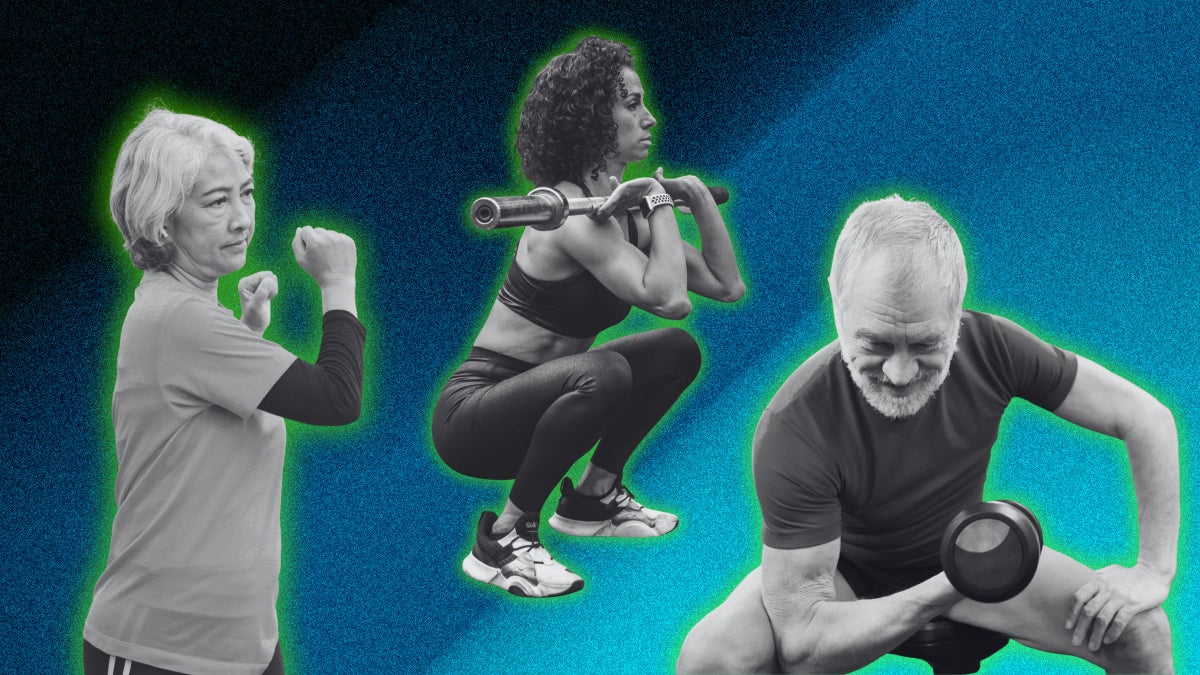
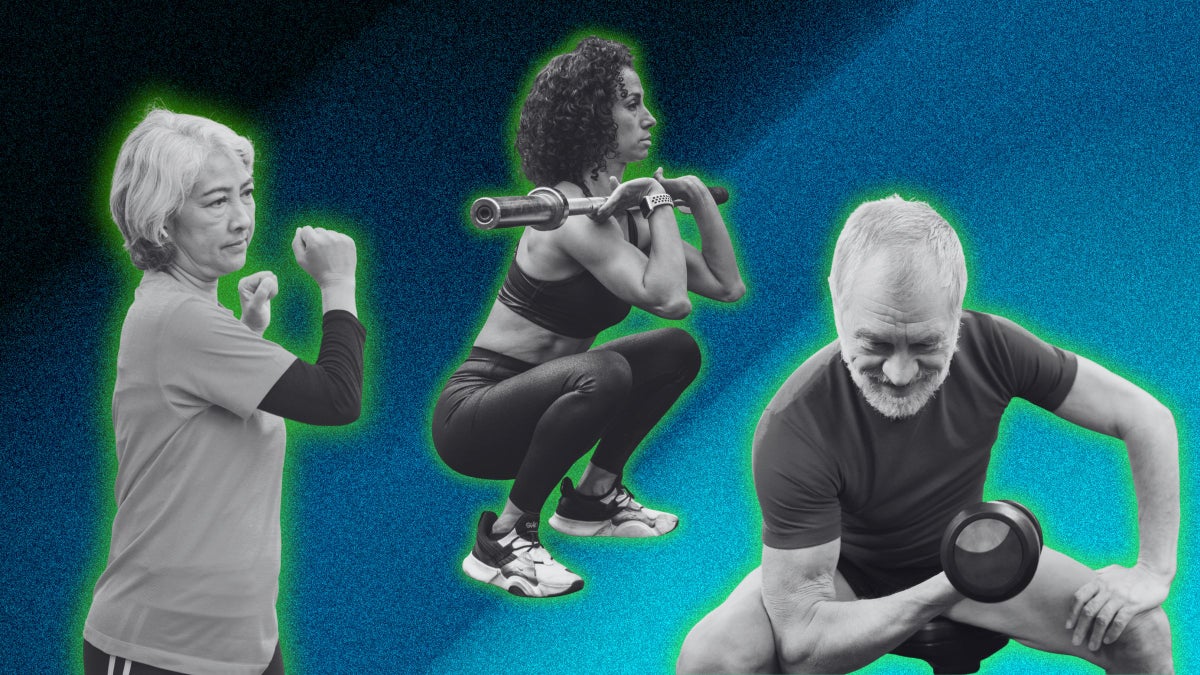
We know that strength training is beneficial for the body in many ways. It protects joints and bones, improves metabolism, balance, and endurance. But if lifting helps the body this much, what is it doing for the brain?
A recent meta-analysis published in Frontiers in Aging Neuroscience offers a layered answer. The study’s researchers analyzed 58 randomized controlled trials involving 4,349 adults aged 60 and older to examine how five types of exercise affect cognitive health. These five movement styles included resistance training, aerobic exercise, high-intensity intervals, mind–body practices like Tai Chi and yoga, and hybrid routines blending any of the previous four types.
Resistance training was the most effective at boosting global cognition—which includes functions like memory and attention—and inhibitory control, which is the ability to regulate your behavior. But resistance training wasn’t the only champ. Mind-body practices ranked first for improving task-switching efficiency and memory, too, but specifically working memory, which refers to the small amount of information you retain in the present moment to problem-solve or reason through things. Aerobic workouts led for memory function (how well your memory works). People aged 65 to 75 achieved the greatest overall cognitive benefits from resistance training. It’s also worth noting that not every study included in the meta-analysis used the same tests or tracked intensity, but the big picture is still clear.
Different exercises train different brain skills, but resistance training may be one of the best ways to protect your overall brain health.
Cognitive Decline Begins Earlier Than You Think
Margie Lachman, a psychology professor and a fellow of both the American Psychological Association and the Gerontological Society of America, who’s studied aging for decades, confirms what many feel: cognitive decline can start in midlife—somewhere between juggling work, family, and your long-term goals.
As we age, according to Lachman, we usually experience a slowdown in processing speed, our memory becomes patchier, and both working memory and reasoning skills weaken.
The good news? Movement helps. Aerobic and resistance training are consistently tied to slowing decline. “The earlier you start thinking about ways to minimize the impact of cognitive aging, the better,” Lachman says. “But it’s also never too late to get started.”
That part matters. Many people think the window closes at a certain number. It doesn’t. You can start at 47 or 74. What counts is that you begin—and keep going.
Adding Strength Training to Your Routine Now Means Better Brain Health Later
According to the study, resistance training showed cognitive benefits after just 2 sessions per week, lasting 45-60 minutes, over a three-month period.
Aside from its brain-boosting effects, strength training also supports functional health, says Lachman, which refers to the “everyday activities we often take for granted like lifting, carrying, balance, stamina, walking, bending, climbing stairs, flexibility, and mobility in general.”
There’s something to be said for taking your training seriously when you hit midlife. “Studies have shown that physical fitness in midlife is related to brain health, including brain size and dementia risk later in life,” says Lachman.
And it’s not just functional health that improves. Ever notice how you feel sharper after a good lift? Whether it’s a pre-dawn garage session or lunges in the park, that pleasant sensation in your brain and body isn’t just your imagination. Resistance training has been proven to be a great mood booster and can alleviate symptoms of depression.
How to Incorporate Strength Training into Your Workout Routine
This is where people hesitate. They picture gym bros grunting under bad lighting, complicated workouts, and intimidating equipment.
But that’s not what the research—or real life—looks like.
Lachman says it clearly: moving and staying active is one of the best things you can do for your brain, your body, and your mood. “Strength training doesn’t have to mean barbells or a gym,” says Lachman. “There’s resistance training with elastic bands, bodyweight movements, even programs online or at local community centers.” Your version might be squats in the living room. Someone else’s could be a weight machine at the YMCA or a YouTube video pulled up before breakfast. If it challenges your muscles and keeps you coming back, it counts.
What to Do If You’re Intimidated by Strength Training
Strength training can feel like a club you weren’t invited to. But here’s the thing: it doesn’t have to be hard.
You’ll know it’s working when stairs feel easier, when those grocery bags feel lighter, or when you step onto a rocky trail and feel…solid. This isn’t about setting PRs, it’s about staying in the game, for the little things that matter—like remembering directions or trusting your knees when the trail gets tricky. Lifting won’t fix everything. But it might help you hold onto more of what makes life good.
Want more Outside health stories? Sign up for the Bodywork newsletter.
The post Strength Training Boosts Brain Health, According to New Study appeared first on Outside Online.