


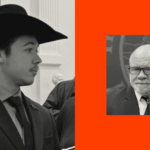







Bo Hines set out on a mission to make cryptocurrency great again. And in less than a year, he made surprising progress. The former football wide receiver and one-time congressional candidate has faced his share of hard knocks, from career-ending injuries to a high-profile political loss. But he bounced back working with President Trump to lead the charge on crypto legislation. Today he is working for Tether, one of the biggest stablecoin companies in the world.
Whether it was guiding the GENIUS Act across the goal line or breaking down barriers between digital asset firms and financial institutions, Hines helped push crypto forward. Here, he talks about his role in shaping crypto policy, what it was like working for the president, and how his hate-to-lose drive fueled his work in D.C.
How did your football career begin, and what did the sport mean to you growing up?
It starts with my dad. He was a football player himself, and he grew up in rural Indiana on a chicken farm. Athletics was a huge part of his life, and he ended up playing for the Detroit Lions for a year until he was hurt. He got involved with coaching and was at Indiana University.

From the time I was a young kid, football was a big part of my life. It was something my dad and I bonded over. He coached me all the way until I was in high school, and then he became the receivers coach at my high school. Ironically, I was actually a quarterback when I was a freshman in high school and ended up playing for my dad when I shifted to wide receiver. I ended up at North Carolina State, played football there my freshman year, and had a very successful campaign. But after my freshman year, I decided I wanted a different kind of challenge, one through academics. So I transferred to Yale.
That’s where you had a career-ending injury.
The first play of the second quarter, I caught a ball over my shoulder, landed on my right side, and tore up my shoulder. I had a couple of ligament tears and had to get shoulder reconstruction. I came back in my junior year and, on the first play of practice, broke my collarbone on the other side. I felt like I was being called to go in a different direction.
That must have been a hard adjustment—letting go of football after being so invested in it for so long?
It was. But I found other things to participate in that still allowed me to have that competitive drive. One of those was going to law school. I decided to go to Wake Forest.
When was the first time you heard of cryptocurrency?
Playing in the Bitcoin St. Petersburg Bowl in 2014. David Bailey [CEO and co-founder of BTC Inc., the parent company of Bitcoin Magazine] had a wife who helped put on that event. That bowl game sparked my curiosity. Being more conservative by nature, I loved the fact that there’s individualism as a part of this, and the rights to consumers and the freedom you have to participate outside of fiat to engage in transactions.
You’ve made a few pivots—from football to law to politics. How did politics become part of the journey?
My parents’ origin story factors into this. My mom grew up on a hog farm in southern Indiana. My dad grew up on a chicken farm. They came from very humble beginnings, and I got to watch the American Dream unfold as a child growing up. I watched my dad build and sell two very successful businesses. But I also watched him deal with what overregulation looks like and red tape and barriers for entrepreneurs to create success for other people. So, when a congressional seat opened in North Carolina, I decided to jump into the fight. I didn’t know where it would go, but we won a nomination in one of the most highly contested primaries. We ended up falling a point short, which is disappointing. I certainly don’t like to lose. But I learned so much in that process, just being out in the community every day and seeing what other folks are building and the different challenges they face.

Let’s talk about your former role as Executive Director of the President’s Council of Advisors on Digital Assets. How did you land that job?
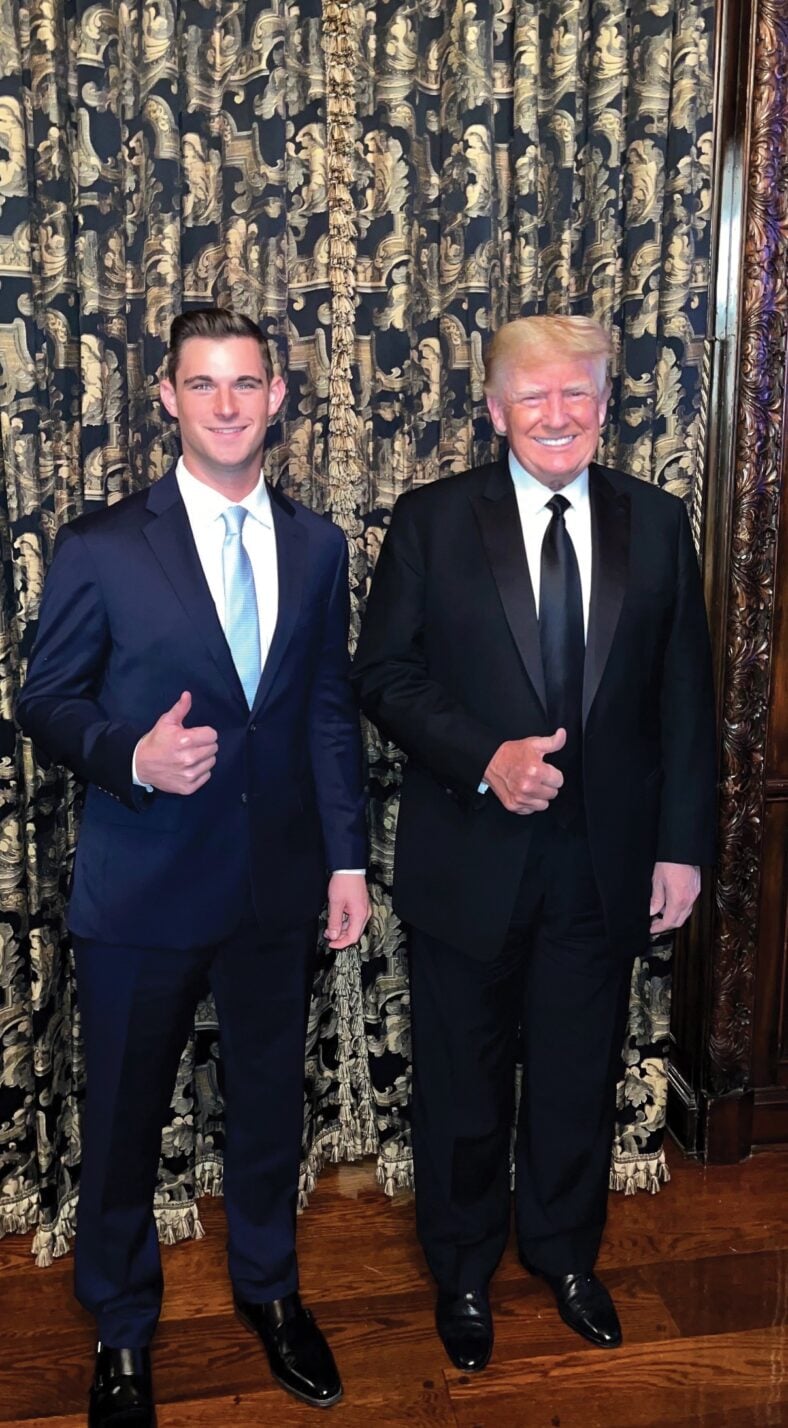
I’ve supported President Trump from the beginning, and so has my family. After the election, I reached out to people I knew in the transition team to see how I could contribute. When I got to D.C., they said the president was very interested in digital assets and crypto, which was a perfect fit given my background. I don’t think most people realize how interested he is in this space, how much he cares about it, and how knowledgeable he is. David Sacks [co-founder of PayPal] came on board, and we worked together to map out a plan.
What are your priorities in this role, particularly for people who don’t fully understand crypto?
When we stepped into this space, a lot of people in the crypto industry had been beaten down. They were the victims of policymaking through prosecution. Even the president made a joke at the White House crypto event two years ago. He said many of you had a better chance of ending up in jail than sitting here. And that was true. It wasn’t their fault. They were trying to do something that hadn’t been done before in institutional finance—modernize an archaic payments system.
So, the first phase is the demolition phase—it’s all about tearing down the barriers that were stopping innovation. The president calls it “blue tape.” We stepped in and started offering guidance across agencies. We pulled back a bunch of those informal rules. And once that happened, you started to see innovation return. People got excited. Companies started coming back. But we also knew that just clearing the runway wasn’t enough—we needed something more permanent.
That was where the second phase came in: construction. This was the legislative phase. There were two big components—stablecoin legislation and market structure legislation. We passed the GENIUS Act. What that legislation did was update the plumbing of our financial system. It made transactions faster, more transparent, and more cost-effective. We introduced a digital dollar—via blockchain—into institutional systems. That allowed for instant settlement and opened the door for things like tokenized public securities and 24/7 markets.
And here was the big thing: if you wanted to access U.S. capital markets, you were going to need to use a dollar-backed stablecoin. That created massive demand for U.S. treasuries, which was good for the economy and strengthened our position globally. The third phase was implementation. The question was how to integrate these technologies into everyday life. How to make sure the American people benefited from them in a way that made sense. That was the focus.

Did you speak with President Trump often, and what did you learn from working with him?
It depended on the week. When we were pushing big initiatives, we were around him more. But I can say this: he works harder than anyone I’ve ever met. He understands the gravity of the role, and he wants to get things done. During the GENIUS Act negotiations, there were a few Republican holdouts, and he personally called them into the Oval Office to close the deal. That’s who he is—a dealmaker through and through.
Any advice for readers who wanted to get into crypto but felt overwhelmed?
First, I’m not a financial advisor, so take this as general advice. But I’d say: do your research. If you care about freedom and privacy, you’ll probably find crypto exciting. I’ve called Bitcoin “digital gold,” and that’s how I see it. There were also tons of promising projects out there. Just make sure you understand the technology before jumping in. There’s a lot of good info available now, so it’s easier than ever to learn.
This article originally appeared in Maxim’s Winter 2025 issue.