









What You Should Know:
– Subsense Inc. has raised an additional $10M, bringing its total funding to $27M, to develop a non-surgical brain-computer interface (BCI) that relies on engineered nanoparticles rather than implanted chips.
– Administered nasally to cross the blood-brain barrier, this technology aims to record and modulate brain activity with high precision without the risks associated with invasive surgery.
– The funding from Golden Falcon Capital will accelerate R&D at the company’s new Palo Alto facility, positioning Subsense to potentially democratize neural data capture on a population scale.
The “Brain Chip” Alternative: Nanoparticles to Scale Neural Interfaces
For the past decade, the narrative surrounding Brain-Computer Interfaces (BCIs) has been dominated by a single, invasive image: a chip surgically implanted into the cortex. While effective, this approach faces a massive barrier to scale—surgery is expensive, risky, and permanent.
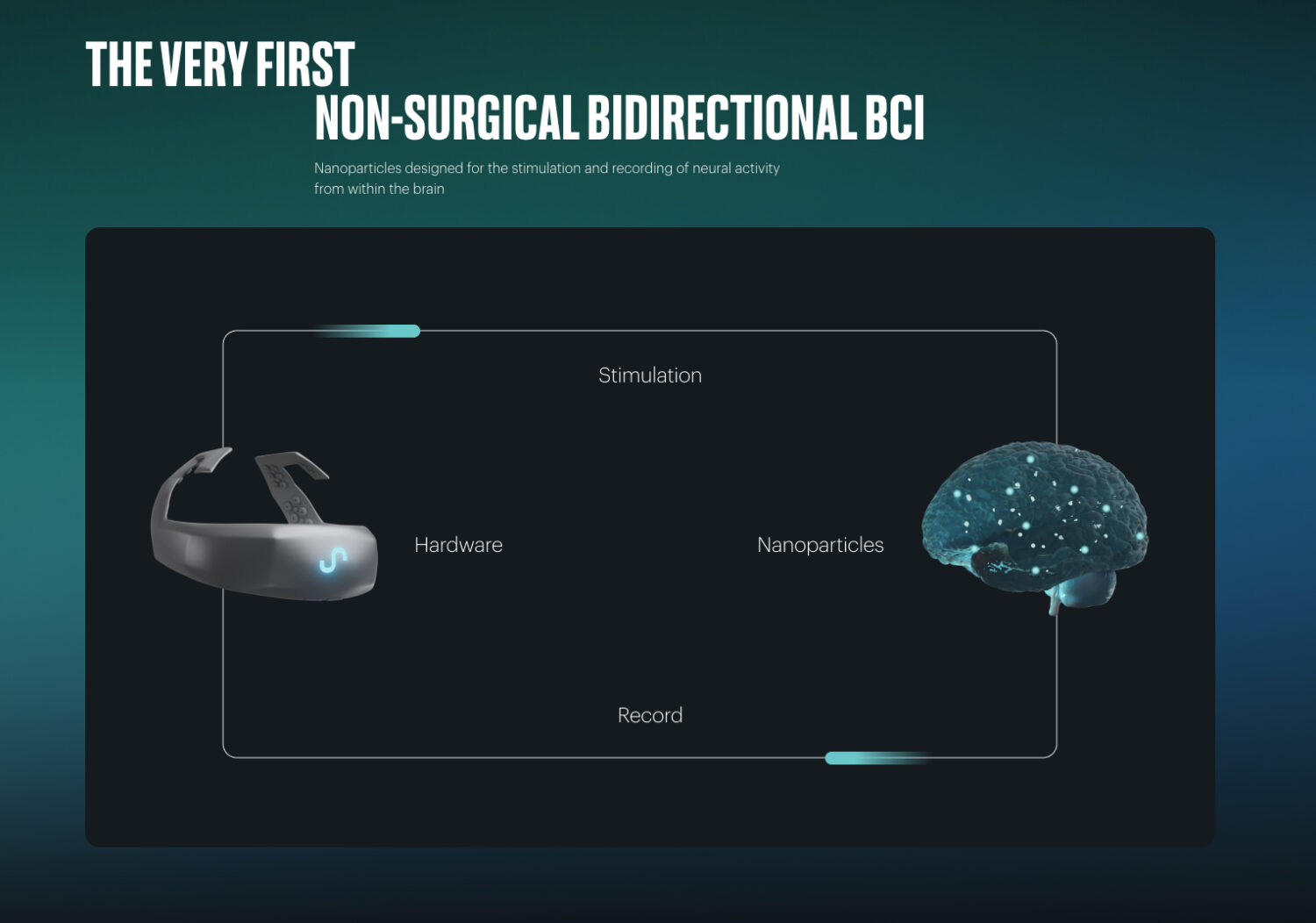
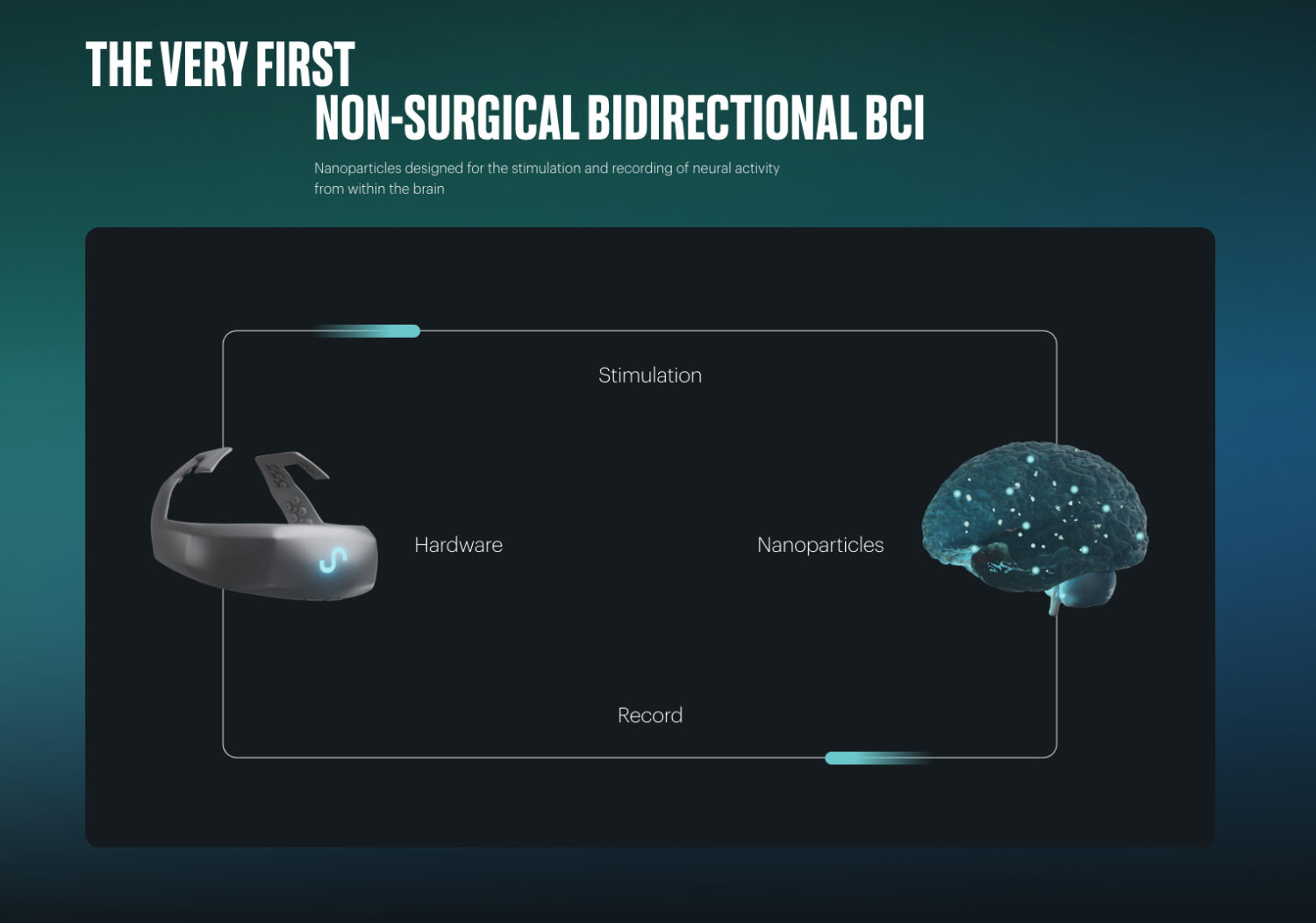
Today, Subsense Inc. announced a $10M capital injection that suggests the future of neural interfacing might not require a scalpel at all. The company, which has now raised a total of $27M with this latest round from Golden Falcon Capital, is pioneering a “bio-integrated” approach. Instead of drilling through the skull, Subsense is engineering nanoparticles designed to be administered nasally, crossing the blood-brain barrier to create a bidirectional link with neural activity.
If successful, this approach effectively leapfrogs the current generation of invasive BCIs, moving the technology from a medical device for the few to a potential platform for the many.
Solving the Hardware Problem with Chemistry
The core innovation of Subsense lies in its shift from macro-hardware (electrodes) to molecular hardware (nanoparticles). The company’s platform pairs these engineered particles with proprietary signal-processing software to achieve what has historically been a tradeoff: high-fidelity signal resolution without the trauma of implantation.
Current non-invasive solutions, such as EEG caps, struggle with “noise” and poor spatial resolution because they read signals through the skull. Subsense aims to bypass this by getting the sensor inside the brain environment via the bloodstream, theoretically offering the signal quality of an implant with the ease of a nasal spray.
“We are developing a new kind of neural interface, which integrates seamlessly with the human body,” said Tetiana Aleksandrova, Subsense Co-founder and CEO. “This bio-integrated approach is fundamentally enhancing safety and expanding accessibility.”
The fresh capital will be directed toward the company’s new laboratory and engineering facility in Palo Alto, specifically to accelerate “in vivo biosafety programs” and hardware miniaturization.