







The Dallas Cowboys are nothing short of a prodigious presence in the National Football League. For the 19th consecutive year, “America’s Team” has been named by Forbes as the league’s most valuable, with an estimated worth of $13 billion that not only far exceeds the runner-up Los Angeles Rams at $10.5 billion, but all sports teams worldwide. The Cowboys can also claim the more nebulous title of “America’s most popular NFL team” when a multitude of factors are considered together, including its 19.7-million social media following, merchandise sales, total average home stadium attendance, and a rampant fan base that stretches nationally past expected regional boundaries from coast to coast.
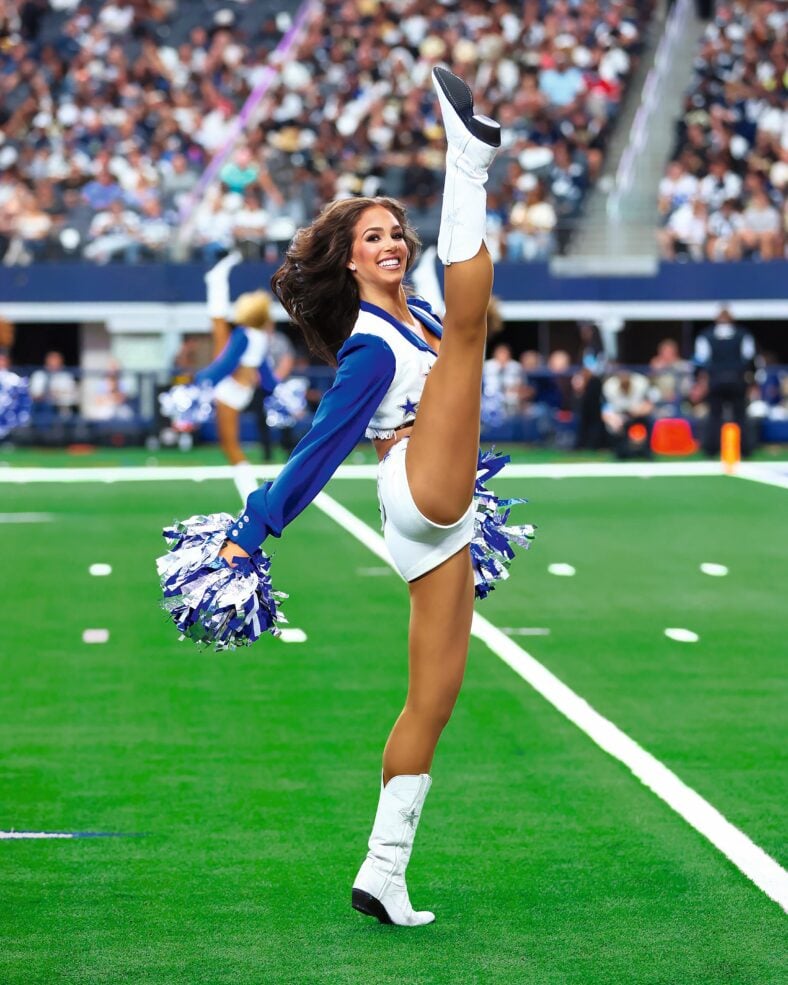
In light of the star-spangled franchise’s failure to contest a conference championship—let alone a Super Bowl—in three decades, these stats are somewhat perplexing. That brand power could be attributed to strong memories of the Cowboys’ glory days, which yielded an unsurpassed 20-year run of consecutive winning seasons from 1966 to 1985, followed by three Super Bowl wins secured from 1992 to 1995. From a financial perspective, especially, the brilliant leveraging of the Cowboys organization into a media and entertainment powerhouse under the leadership of owner Jerry Jones cannot be overstated.
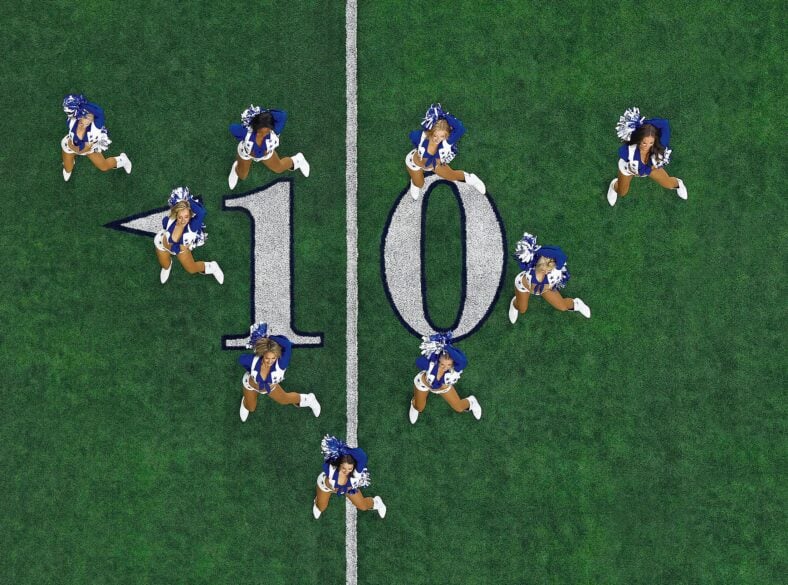
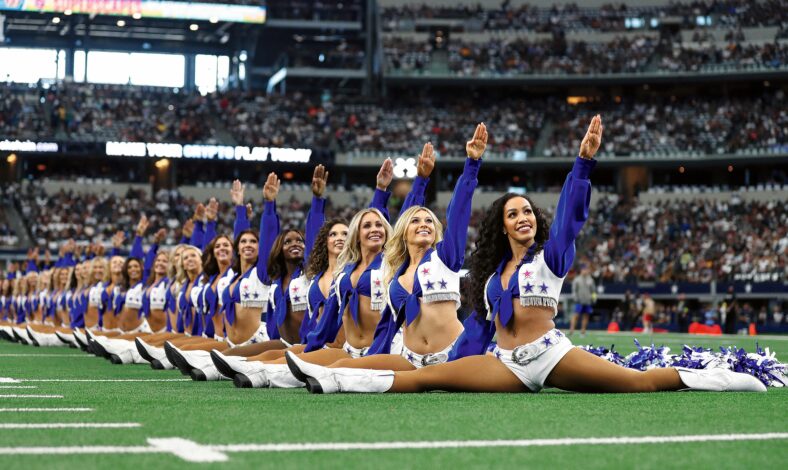
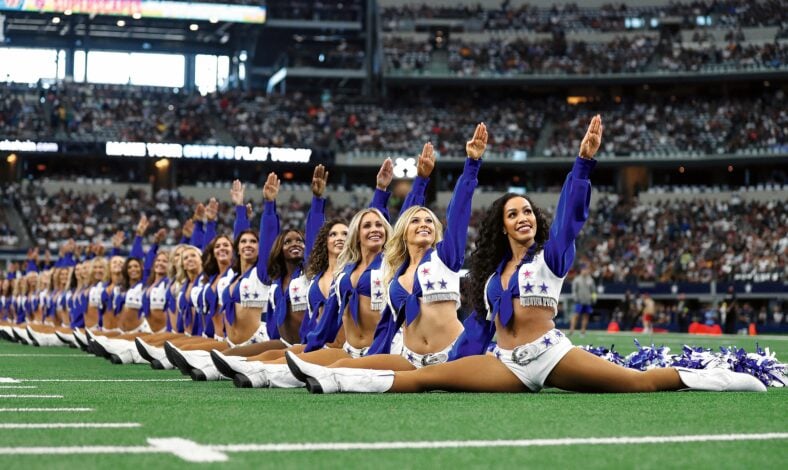
But for our money, we’d say that the apparently indefatigable support for America’s Team starts with America’s Sweethearts, aka the Dallas Cowboys Cheerleaders (DCC). Assouline agrees, as the prolific publisher of luxurious coffee table books will soon release 264 stunningly illustrated pages celebrating all things DCC, from their revolutionary origins to their salute-worthy work with the United Service Organizations (USO) and their blockbuster Netflix series.
Featuring words by award-winning Dallas Cowboys Radio Network reporter Kristi Scales and a foreword from Cowboys chief brand officer/co-owner Charlotte Jones, America’s Sweethearts: Dallas Cowboys Cheerleaders offers an eye-catching chronicle that begins shortly after the Cowboys’ inaugural (and winless) 1960 season, after which then-team president Tex Schramm enlisted a local high school teacher, Dee Brock, to form the CowBelles.
“The new Dallas team put an advertisement in the paper looking for cheerleaders, and about 250 girls applied,” Sally Singleton, an original CowBelle, recalls in the book. “It wasn’t dance. It was traditional cheers, and we had pom-poms. There was no dressing room, and our parents dropped us off at the stadium.”
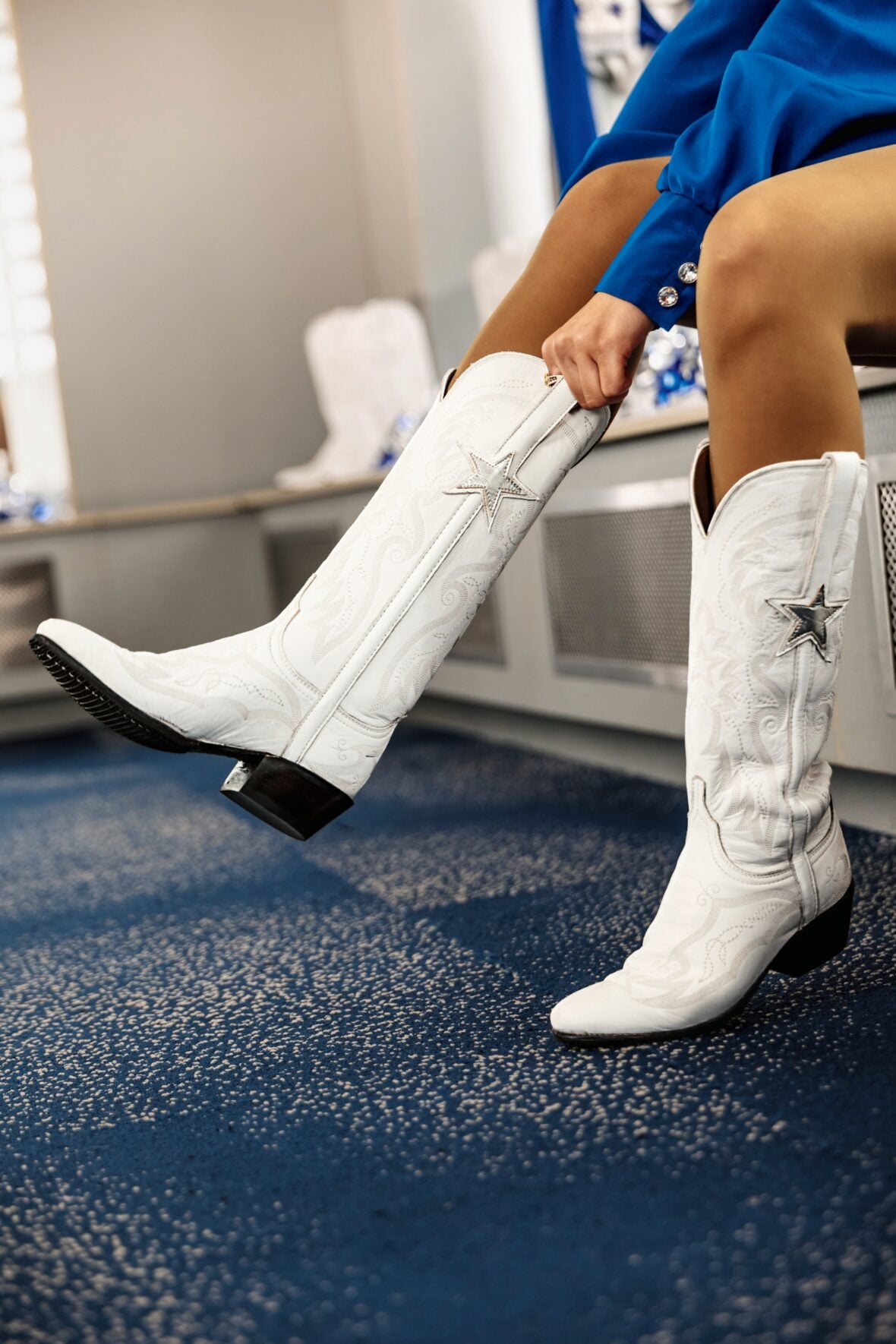
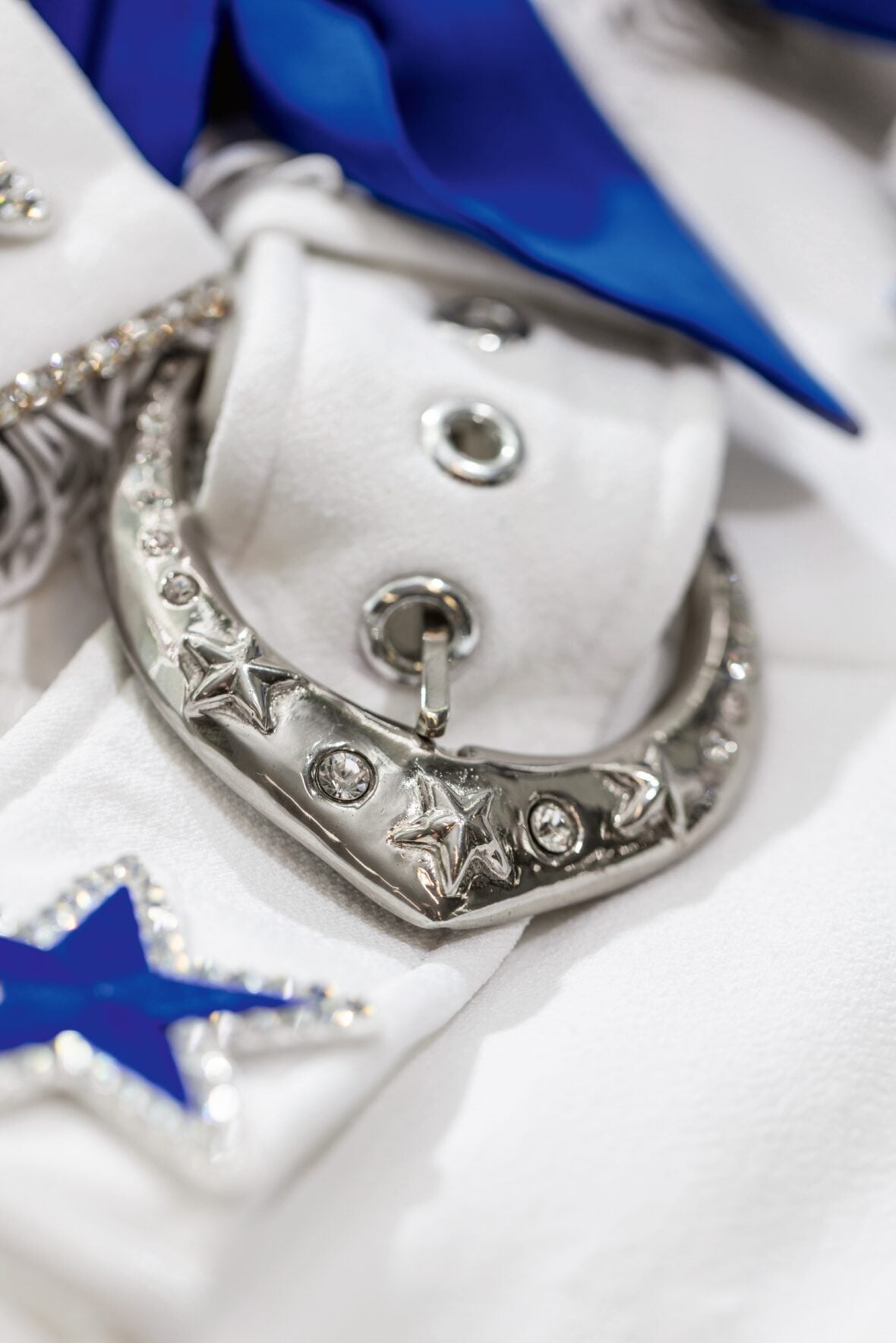
While that original squad was coed, by 1970, the Dallas Cowboys were a championship-caliber team that would soon win its first NFL title at Super Bowl VI in 1971. Simultaneously, the DCC began to take the shape that we recognize today. Together with choreographer Texie Waterman, Schramm and Brock initiated a transition away from the collegiate style of cheers, chants, and tumbles in favor of more mature moves featuring jazz-inspired high kicks and pirouettes that’d be equally at home on the sidelines and a Broadway stage. Fashion designer Paula Van Wagoner was also brought aboard during these formative years to create an alluring outfit that facilitated athletic movement. The Western-style ensemble—a blue and white bolero jacket emblazoned with Dallas stars, white shorts and matching cowboy boots—remains as the DCC’s official attire to this day.
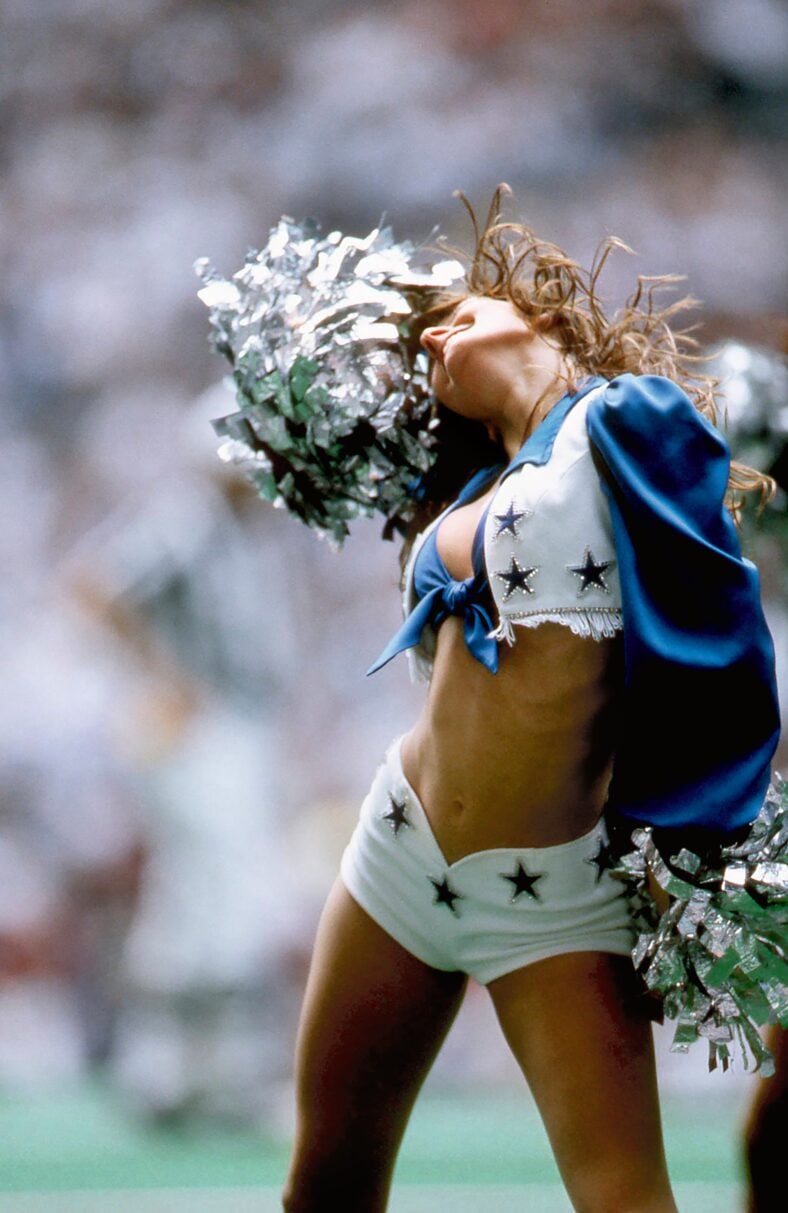
“There’s a high degree of honor among each of us who’ve worn a DCC uniform. It’s hard to describe if you’ve never worn it,” says Kelli McGonagill Finglass, who served as a cheerleader from 1984-89 before assuming her current position as the director of the DCC in 1991. “There’s no question DCC sisterhood has been a source of strength among the nearly 900 alumni.”
This decade also saw the DCC truly become a phenomenon, one that was started with a playful flutter. In November 1975, during a cutaway shot on ABC’s Monday Night Football broadcast of a Cowboys game against the Kansas City Chiefs, a network cameraman zoomed in on squad member Gwenda Swearingen, who gazed directly into the camera and winked. “I think she was doing that for you, Frank,” noted broadcaster Howard Cosell. “I don’t know, but she was very effective,” replied Frank Gifford.
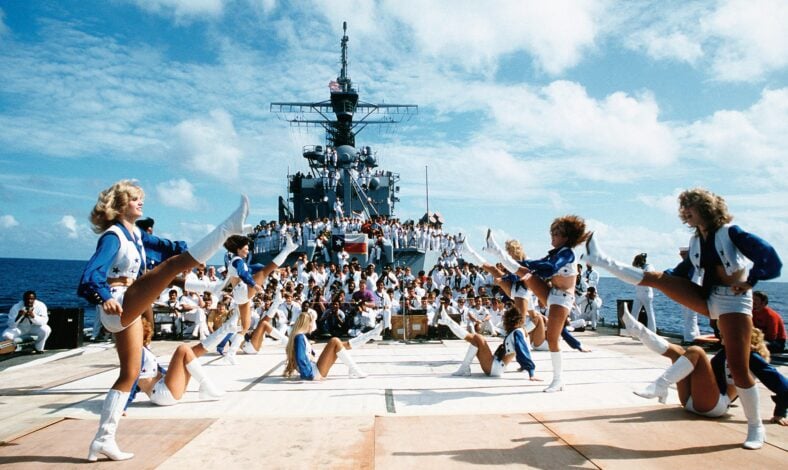
With that blink of an eye, a DCC supernova was triggered, as members of the squad began appearing on talk and variety shows. A made-for-TV movie, Dallas Cowboys Cheerleaders, took top ratings and even spawned a sequel. A 1977 pin-up-style poster—which has since been inducted alongside a vintage uniform into the Smithsonian Institution in Washington, D.C.—sold 1 million copies. Most notably during this era, the DCC kicked off its proudest tradition with an inaugural USO tour in 1979. Over the next four decades-plus, the DCC entertained American military personnel on nearly 90 USO tours in over 40 countries, more than any other single entertainer.
“One of the key standouts was how the DCC partnered with the USO over the years,” Dani McGinnis, who was on the DCC from 2020 to 2023, said of what drew her to the squad. “When speaking to DCC alumni, it is not uncommon to hear that the highlight of their entire cheer career was the privilege of going on a USO tour.”
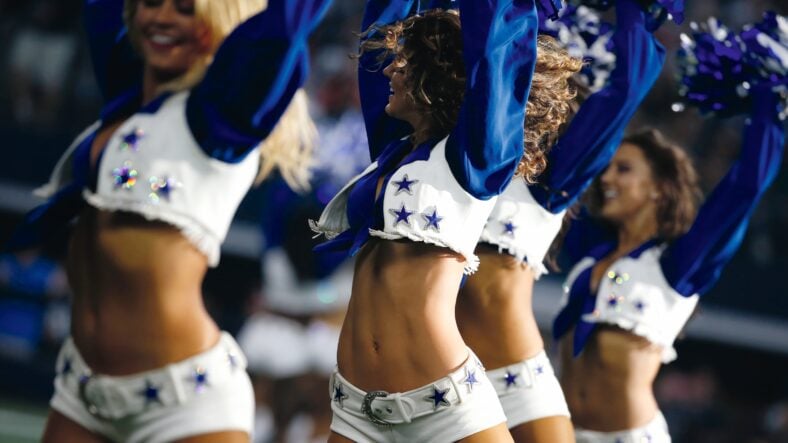
Good deeds have long been an integral part of the DCC’s ethos, the most famous of which is undoubtedly the Thanksgiving Day halftime spectacular that kicks off The Salvation Army’s Red Kettle Campaign. Together with the Cowboys, the DCC has helped raise billions of dollars for those in need by teaming top artists like Dolly Parton, Reba McEntire, Destiny’s Child, and the Jonas Brothers.
Assouline’s book is brimming with these compelling facts from the DCC’s past and present. But for those who really want to see what it takes to do the dance, Netflix’s America’s Sweethearts: Dallas Cowboys Cheerleaders provides a look at the squad’s rigorous auditions, intense training camp, and game-day duties. The first two seasons have yielded a 100 percent rating on Rotten Tomatoes, and filming for Season 3 is underway. In the meantime, Assouline’s DCC tome is available to purchase in its Ultimate Collection edition for $1,400 or Classic edition for $120.
This article originally appeared in Maxim’s 2025 Winter issue.