







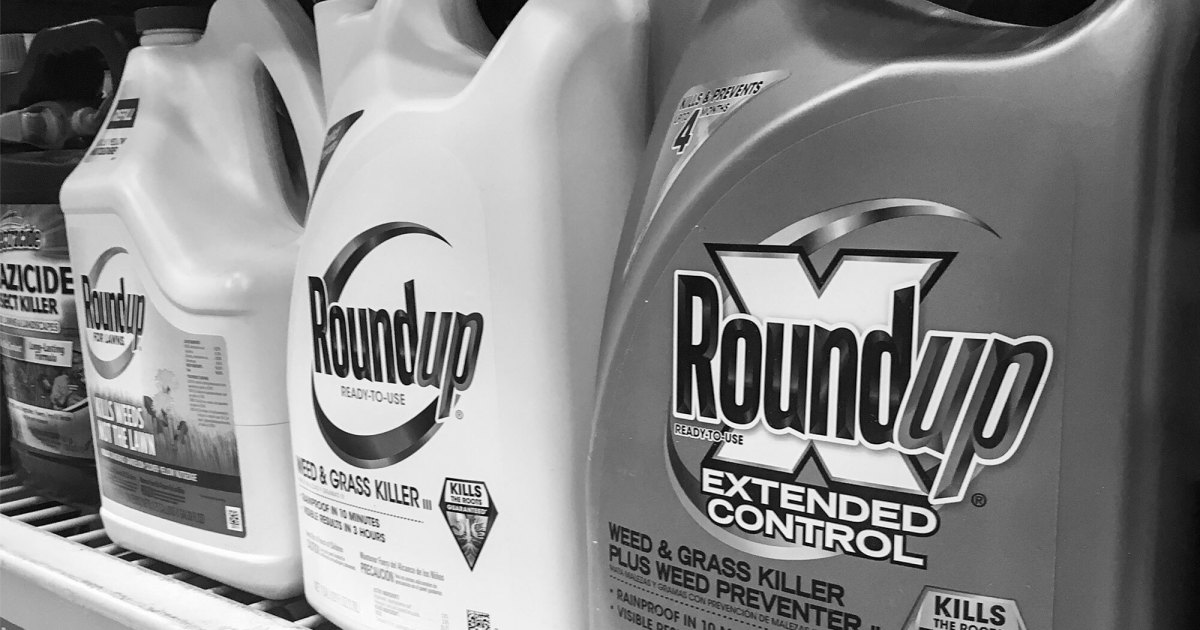
A landmark study on the safety of glyphosate, the active ingredient in the controversial herbicide Roundup, has been formally retracted by its publisher, raising new concerns about the chemical’s potential dangers.
Federal regulators relied heavily on the study, published in 2000 by the science journal Regulatory Toxicology and Pharmacology, in their assessment that the herbicide is safe and does not cause cancer. Indeed, the paper, which concluded that “Roundup herbicide does not pose a health risk to humans,” was the most cited study in some government reports.
But the journal’s co-editor-in-chief Martin van den Berg said he no longer trusted the study, which appears to have been secretly ghostwritten by employees of Monsanto, the company that introduced Roundup in 1974. Officially, the paper’s authors, including a doctor from New York Medical College, were listed as independent scientists.
Van den Berg, a professor of toxicology in the Netherlands, concluded that the paper relied entirely on Monsanto’s internal studies and ignored other evidence suggesting that Roundup might be harmful.
“The MAHA world is losing their minds right now. They keep getting thrown under the bus.”
In 2015, the World Health Organization’s International Agency for Research on Cancer determined that glyphosate probably causes cancer. Since then, Roundup’s manufacturer, Bayer, which bought Monsanto in 2018, has agreed to pay more than $12 billion in legal settlements to people who claim it gave them cancer.
In 2020, the US Environmental Protection Agency released an updated safety assessment on glyphosate that again determined that it was safe and did not cause cancer. This EPA report is often cited in news reports that contend glyphosate is “fine” and important for modern food production.
But those reports failed to mention that the 2020 EPA health assessment was overturned in 2022 by the 9th US Circuit Court of Appeals. The “EPA’s errors in assessing human-health risk are serious,” the judges wrote, and “most studies EPA examined indicated that human exposure to glyphosate is associated with an at least somewhat increased risk of developing non-Hodgkin’s lymphoma”—a type of cancer.
The court told the EPA it needed to redo its human health assessment, meaning the agency now has no official stance on glyphosate’s risk to people. It is expected to release an updated safety report next year.
During the first Trump administration, Monsanto executives were told they “need not fear any additional regulation from this administration,” according to an internal Monsanto email cited in a Roundup lawsuit in 2019. Monsanto had hired a consultant, according to court documents, who reported back that “a domestic policy adviser at the White House had said, for instance: ‘We have Monsanto’s back on pesticides regulation.’”
On Tuesday, the US solicitor general asked the Supreme Court to consider a case that could help shield Bayer from further lawsuits. The company’s stock soared by as much as 14 percent on news of the Trump administration’s help in the case.
Two states—North Dakota and Georgia—have passed laws this year that help shield Bayer from some cancer lawsuits arising from Roundup use. There is a push to enact similar laws in other states and on the federal level.
In July, New Jersey Sen. Corey Booker introduced the Pesticide Injury Accountability Act to push back against these new laws, and ensure that “these chemical companies can be held accountable in federal court for the harm caused by their toxic products.” Zen Honeycutt, a key voice in the Make America Healthy Again coalition, has endorsed the legislation.
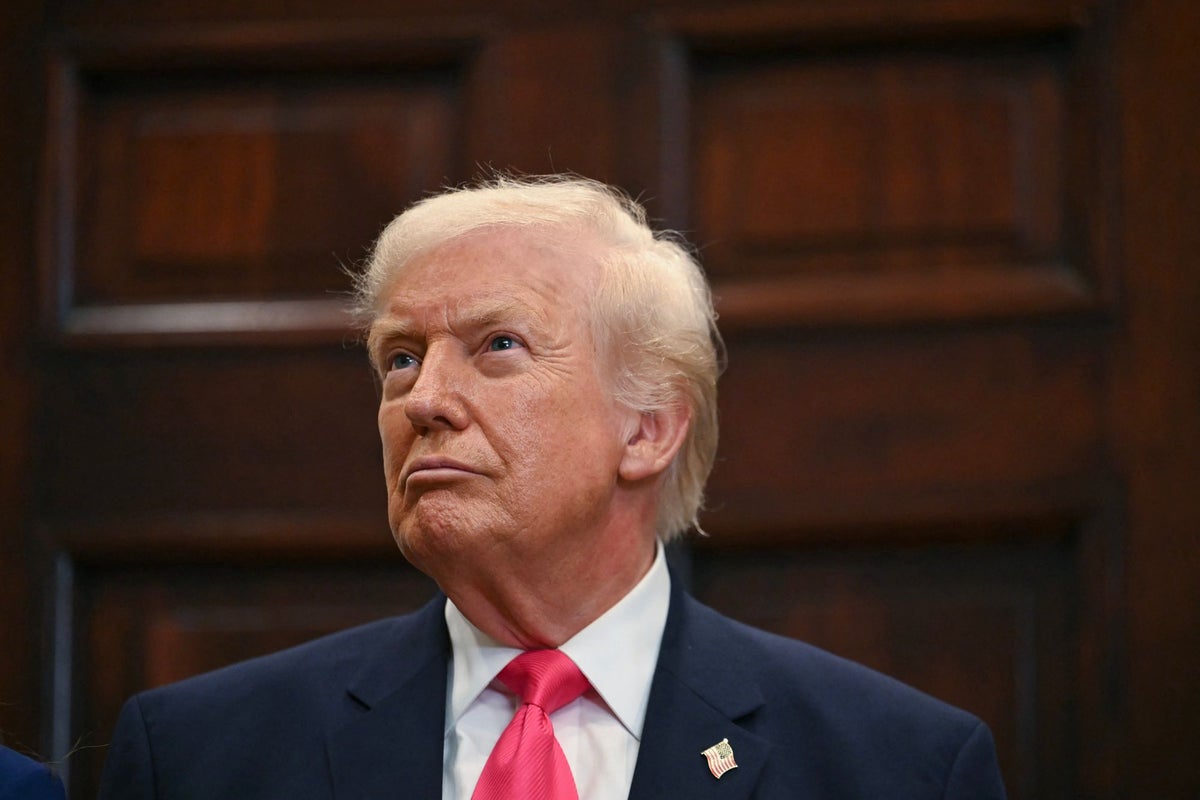
Nathan Donley, environmental health science director at the Center for Biological Diversity, said the glyphosate debate has become a key sticking point between President Trump and his MAHA base. “The MAHA world is losing their minds right now. They keep getting thrown under the bus by this administration,” Donley said. “He’s alienating a crucial voting bloc.”