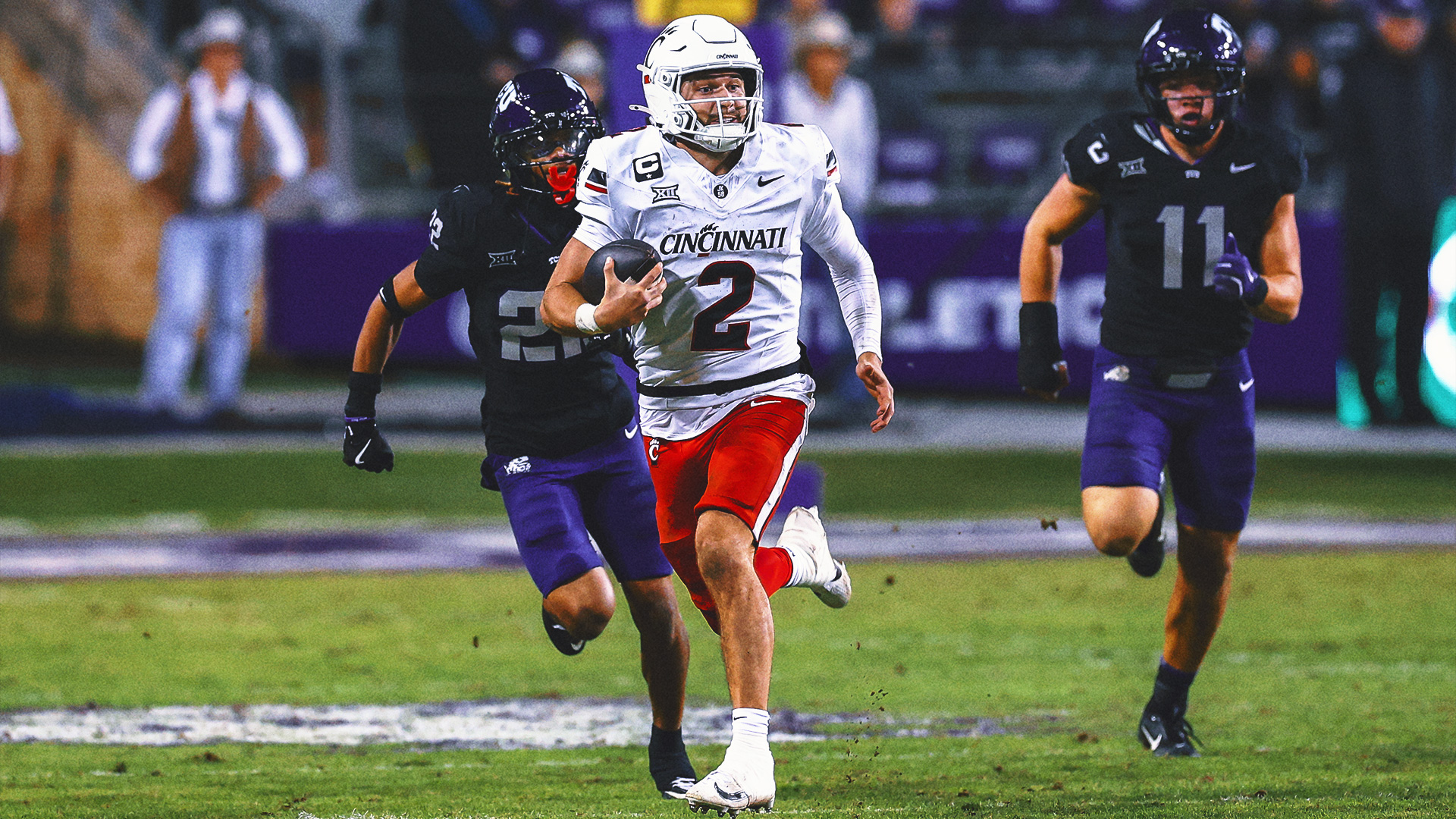









The NCAA football oversight committee is recommending emergency legislation to protect the transfer portal window by issuing penalties for schools and coaches who circumvent the rules. The committee on Wednesday proposed the legislation to penalize schools who add players who did not make public their interest in transferring during the January transfer portal window. The proposed legislation would become effective immediately if approved at the Division I cabinet meeting in April. Among the proposed penalties, the head coach who accepts a transfer who did not properly enter the January portal would be prohibited from all recruiting, on-field coaching and team meetings for six games. The school accepting the transfer would be fined 20% of its football budget. Also, the school would lose five roster spots for the following season, even if the coach who accepted the transfer is no longer employed. Georgia athletic director Josh Brooks said it is important to enforce the transfer portal window rule. “Attempts to circumvent the transfer window process is an issue for the sport,” Brooks said in a statement released by the NCAA. “We want to let everyone know that this is not going to be allowed, and the committee wants to protect the transfer window that has been established.” Buffalo athletic director Mark Alnutt, the chair of the oversight committee, said “significant penalties” are needed to enforce the transfer rule. “We felt this was appropriate to place an emphasis on this rule with where we are in Division I football,” Alnutt said. “We have a window for student-athletes to notify their school when they would like to enter the transfer portal. If there is movement without going through the process as it is legislated, the committee felt there needed to be significant penalties.” The committee also voted to eliminate the annual limit on official recruiting visits. The transfer rule and compensation for players through name, image and likeness contracts have created other issues. The University of Cincinnati is suing its former quarterback, Brendan Sorsby, following his transfer to Texas Tech. Cincinnati is accusing Sorsby of breaching his NIL contract, which the school says was signed in July 2025 to cover the 2025 and 2026 seasons. Cincinnati says the contract included a $1 million buyout if Sorsby transferred. Sorsby received the most lucrative deal of the portal period — a reported $5 million — to return to his home state for his final season. NCAA rules panel proposes ejection, uniform changes Division I football rules makers have proposed a one-year trial rule allowing a player disqualified for targeting for the first time to play in his team’s next game regardless of which half the penalty was assessed, the NCAA announced Thursday. Currently, players disqualified for targeting must miss the rest of the game and, if the penalty occurs in the second half, sit out the first half of the next game. Under the Division I Football Rules Subcommittee’s proposal, a player disqualified for targeting a second time during the season would miss the first half of the next game. A third targeting ejection in the same season would cause the offending player to miss the entire next game. Targeting is forcible contact with an opponent’s head or neck area where the offending player often uses the crown of his helmet to make contact or launches his body into the opposing player above the shoulders. Oversight committees for the Bowl Subdivision and Championship Subdivision must approve proposals before they become official. Those committees meet next month. “This continues the evolution of our targeting rule and balances the important safety impact with an appropriate penalty structure,” said A.J. Edds, rules subcommittee chair and vice president of football administration for the Big Ten. “We will closely monitor this one-year adjustment, and the committee believes it is important to enhance the progressive penalty to ensure proper coaching and player education.” The rules subcommittee proposed that players wear leg coverings from the top of their shoes to the bottom of their pants. Players would have to wear the same covering style and colors for that particular game. Players out of compliance with the rule would have to leave the game for at least one down and correct the issue. A team would receive a warning for the first offense. If a team has a second offense under this proposal, the offending team would be given a 5-yard penalty. Any subsequent violations of the rule would result in a 15-yard penalty. “The current look of the uniform is clearly not meeting the expectations of the college football community,” Edds said. “This will take a collective effort by administrators, coaches and officials to communicate expectations to players and equipment managers. This proposal, we believe, is definitive and gives us a chance for consistent enforcement across Division I football.” Under a proposal, a team could choose to attempt a fair catch kick after a completed or awarded fair catch. The kick would be a field goal place kick with a holder or a drop kick from the spot where the returner caught the ball. The defense would be at least 10 yards from the spot of the kick. If the ensuing kick goes through the uprights, it would be worth three points. Subcommittee members believe adding the rule would align Division I rules with those in the NFL and high school football. The rarely used play came up in 2024 in the NFL when the Los Angeles Chargers’ Cameron Dicker converted from 57 yards against the Denver Broncos. The Associated Press contributed to this report. Read More
NCAA Oversight Committee Proposes Budget, Roster Penalties For Portal Violations … from Fox sports