







This past year, official social media accounts from the Department of Homeland Security, the White House, and other government agencies have adopted a distinct voice online. The posts look like memes, utilizing dramatic AI-generated art, general patriotic slogans, and cinematic language about “defending the homeland” and shaping America’s future.
But if you look closer, a pattern emerges.
Many of these phrases, images, and attached media aren’t just regular social media content. They repurpose language, symbolism, and cultural references with direct connections to neo-Nazi and white supremacist movements. It’s content that experts say is instantly recognizable to those who are in the white supremacist know, but can be largely invisible to everyone else.
So, let’s look at a couple of the more egregious examples that reveal this pattern.
There has been not one, but two posts from our government institutions that reuse a phrase ripped straight from William Gayley Simpson’s book Which Way Western Man?. It was published and promoted by the National Alliance—considered one of the “best organized” neo-Nazi groups in the United States. The book is antisemitic, racist, and explicitly states that Adolf Hitler was right.
When reached by email for comment, Assistant Secretary for Public Affairs Tricia McLaughlin said “There are plenty of poems, books, and songs with the same title,” apparently referring to Which Way Western Man?. But a simple search across a variety of online music and literature libraries shows that isn’t necessarily true. One song by the same name did pop up with lyrics like “a war against Antifa, a war against the radical feminists, a war to take back our soul.”
“To cherry pick something of white nationalism with the same title to make a connection to DHS law enforcement. It’s because of garbage like this we’re seeing a 1,300% increase in assaults against our brave men and women of ICE,” she continued.
Just two days after ICE officer Jonathan Ross killed Renée Good in Minneapolis, DHS accounts shared a post with a song titled “We’ll Have Our Home Again,” by the Pine Tree Riots. According to a variety of reports, the track is regularly used in white nationalist circles for its evocation of a race war. And it is easy to see that some of these posts imitate slogans nearly identical to those used by Hitler and the Nazi Party. One of the more brazen examples is from the Department of Labor. It features a bust of George Washington super-imposed over a montage of images the administration regularly use to evoke white Western culture, with the caption “One Homeland. One People. One Heritage.” Reports have noted the resemblance to Hitler’s infamous slogan “Ein Volk, ein Reich, ein Fuhrer,” or “One People, One Country, One Leader.” (The White House and Department of Labor did not respond to requests for comment.)
Individually, each post could easily be dismissed, but taken together, they seem to form something more deliberate: a stream of repurposed Nazi propaganda for the everyday person’s feed.
Propaganda scholars say this is how it works. Suggestion, not through obvious symbols, but through repetition, emotional activation, and subtle normalization. Renee Hobbs, a communication professor who studies propaganda and founded the media literacy organization Media Education Lab, describes four pillars: stir emotion, simplify ideas, appeal to fears and hopes, and attack opponents.
It’s been reported that the purpose of these posts is to recruit specific people for specific reasons—a dogwhistle that only some can hear. But, as I point out in my latest video, whatever the actual intention or inspiration behind these posts, the result is a slow drip of extremist rhetoric that becomes familiar, official, and acceptable.
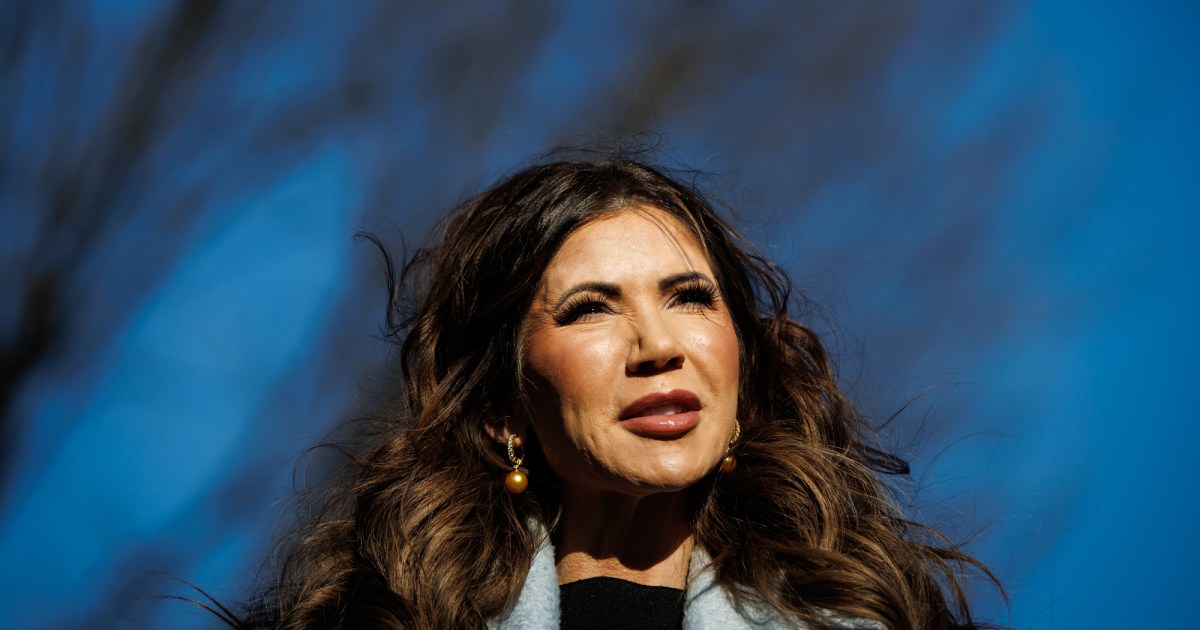
So, when officials like Secretary of Homeland Security Kristi Noem begin talking about things like checking papers, many Americans don’t recoil. They cheer.