





Where is the line between good and evil, and when is it OK to break the rules? Those are the questions at the center of a new podcast about a major conman—or is he a hero?—in the New England fishing industry.
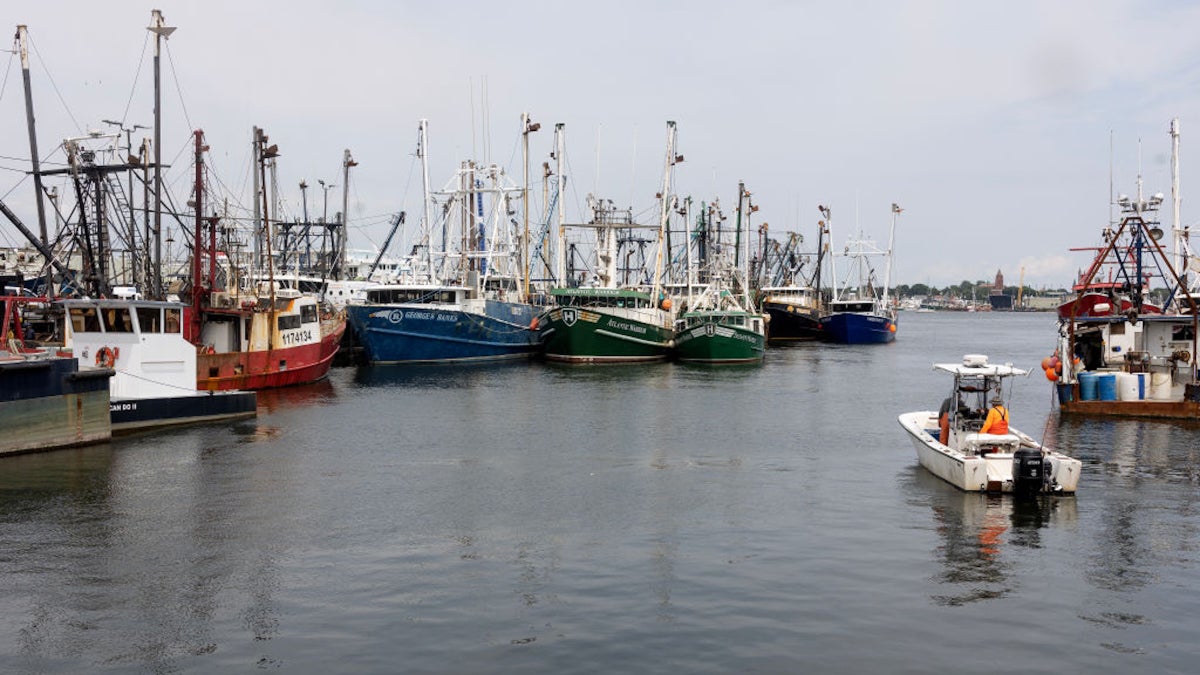
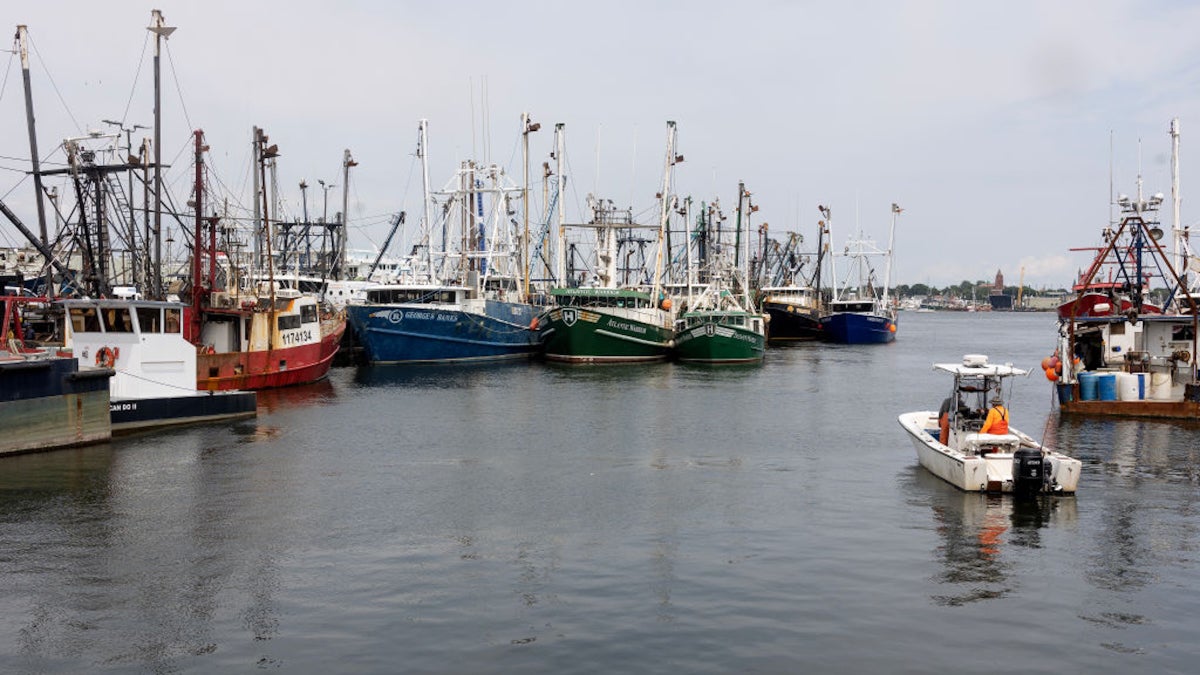
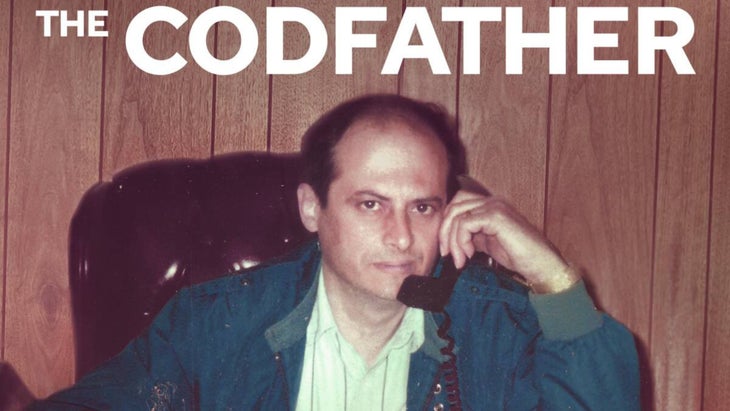
The newest season of GBH News and PRX’s podcast The Big Dig, “Catching the Codfather,” follows the life and work of fishing tycoon Carlos Rafael, who built a highly successful fishing business before he ran into opposition from the government. After decades of running a massive fish plant in New Bedford, Massachusetts, the most valuable fishing port in the U.S., Rafael was arrested as part of a sting operation. But he swears he’s the good guy, fighting back against unfair government regulations.
“Even after he was investigated and labeled a crook,” says producer and host Ian Cross in the first episode, “After federal agents carted him off to jail and dismantled his empire, he keeps pointing his finger right back at the government that brought him down, saying, ‘That right there. That is the real bad guy.’”
Outside spoke with Cross to learn more about the new true crime podcast, “Catching the Codfather.”
OUTSIDE: What drew you to the story?
Cross: I came across this news article about this guy named the Codfather. And obviously, there’s this element of the story that grabs your attention right away: the name, the fact that his office is covered in pictures from Scarface, the undercover IRS recordings—really tantalizing details. I don’t do true crime as a genre; that’s not my background. There was part of me that was drawn to it right away, but I also didn’t know if it was a story for me.
But I decided to reach out to Carlos, and to my surprise, he picked up the phone and invited me to come down and talk. Immediately, I was struck by how differently he presented his own story than how it was often presented at the time. A lot of the tellings of the story set him up as this heartless crook out to enrich himself, hurt other people, and exploit the ocean. And all those things may well be true.
But I was intrigued by his own telling of the story and decided I wanted to try to take that seriously: He did it to protect his industry and the people who worked for him. He felt justified in breaking the laws that he did because he felt that the state had been so overbearing and irrational that these rules did not deserve to be followed. Whether you agree with that assessment or not, I thought it was an interesting exercise to try to understand that point of view.
Right. He’s described as both a visionary and a villain. How did you and your team think about ambiguity as you were shaping the narrative?
Cross: The very first interview I did was with Carlos, and he really presents himself as this underdog hero, almost a Robin Hood-like figure. I was intrigued enough that I decided to start interviewing other people.
I talked to Maria Tomasia, who worked for decades in government. She worked for a congressman who represented New Bedford. She worked in the mayor’s office. She worked in immigrant advocacy. So this is somebody who respects the rule of law. I asked her about Carlos, and she’s like, “You know, yeah, he did some bad stuff, but he also did a lot of good for this community.”
And then I would talk to some people, like most notably John Bullard, throughout the series. Not only does he find Carlos utterly despicable, but he found the whole premise that I was doing a story about Carlos upsetting. We talk about it later in the podcast that it upsets him and angers him that the media and folks continue to focus attention on Carlos and tell the story of Carlos, because he feels like he gives the port and the city such a bad name. That’s how divisive this man is.
The deeper I got into the story, the more I was drawn into that real split-screen reality of who this guy was, and I really came to the conclusion that Carlos functions as a kind of prism. How you see Carlos and his crimes really says a lot about how you see the government, how you see science, how you see regulation, and how you see the American dream.
What do you think the podcast reveals about regulation and enforcement in the fishing industry?
Cross: One thing I really came to appreciate about this story is that fishing is hard to regulate. Partly because there’s so much more at stake in fishing than just money. If it were truly just about how much fish you can catch, because that’s how much money you can make, we would just make the rules, and people would suffer under the rules, and life would go on. But the fact that it’s bound up in culture and tradition and families—and it’s not just a big bad oil company going up against the EPA or something—the fact that it’s hundreds of independent business people who have been in this business for decades makes it so loaded and fraught.
I also found the debate around fisheries and fishery science interesting. It makes me think so much about the debates around public health and climate. In fishery regulation, I feel like the way we’ve tried to depoliticize it is by putting a lot of pressure on the science to say: whatever the science is, that is what the regulation is. If the science says, there’s a lot of cod. You can catch a lot of cod. But what’s emerged as more and more pressure is put on the science to determine decisions that affect culture, and livelihoods, and tradition, is that the science itself has become political.
It really reinforced, for me, this idea that science, logic, data, and reasoning cannot erase politics when this is something people feel strongly about. It’s always going to become political, no matter how much science and data there is. You’re not going to change people’s minds with more data and more facts. The path forward, to the extent that there is one, has to be through a deeper kind of shared understanding or collaboration.
In an era of polarized narratives and media skepticism, how do you think podcasts like The Big Dig, and this season of it, can push listeners to think more deeply about complicated questions and stories?
Cross: I really don’t like preaching to the choir. I don’t like telling stories that just kind of support or reinforce people’s existing worldviews. I have a rough sense that probably most of my listeners have faith in science and believe in government. I don’t want to speak for all of our listeners, but my general sense is that it’s probably a crowd of people who are instinctively supportive of science and regulation. I’m interested in challenging my listeners’ thinking.
That’s why the story of someone like Carlos Rafael really appeals to me. It’s an exercise in empathy—whether or not you agree with him, whether you think what he did is right or wrong—to try to understand the world the way he sees it. I’m not out to convince people that fishing regulation is wrong or that government regulation has gone too far, but I am interested in poking at people’s assumptions and instincts.
The six-part series premiered on February 11 and will continue to roll out over the coming weeks. You can listen to it here.
This interview has been edited for length and clarity.
The post New True Crime Podcast ‘Catching the Codfather’ Explores the Rise and Fall of Carlos Rafael appeared first on Outside Online.