








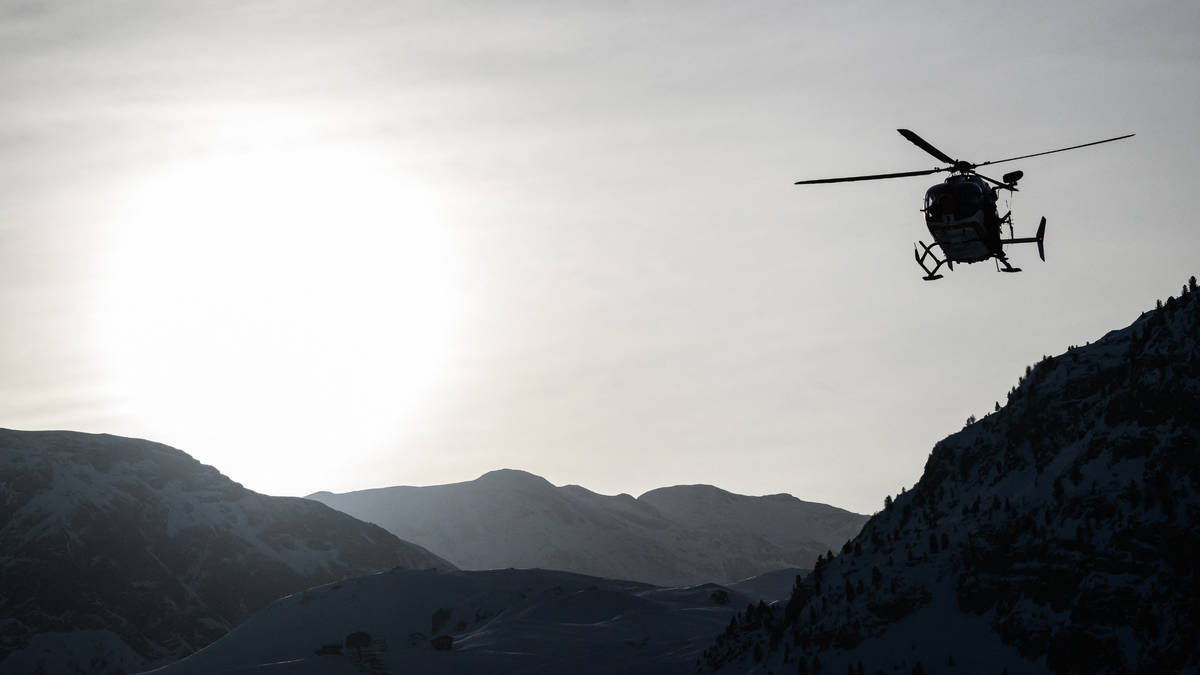
Each year, hundreds of calls are placed to search and rescue (SAR) teams across the country. These missions often begin the same way: there’s a decision to venture off trail, usually partnered with a sudden change in weather pattern, and then the realization of inadequate gear—when it’s seemingly too late. And while the outdoors are dangerous, many wayward adventures find their way home thanks to incredible SAR teams.
Here are seven daring rescue missions that stayed with us long after they were dumped from the news cycle. These stories remind us how important it is to be prepared and how unforgiving wild places can be— but they also remind us of our fierce instinct to stay alive, and of the honorable resolve of rescuers to walk into danger for strangers.
The Daring Rescue That Saved the Thai Soccer Team
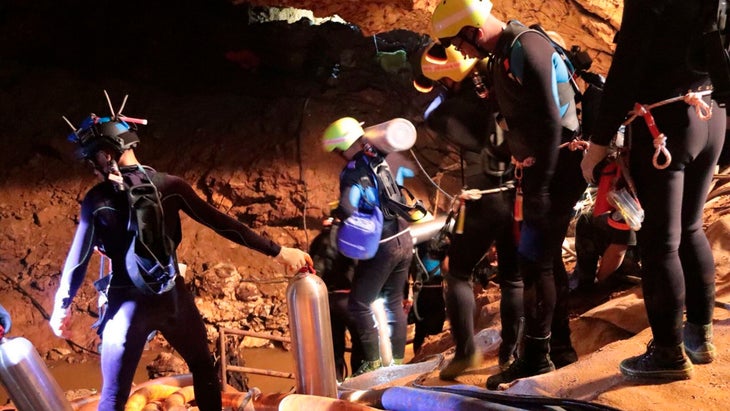
A group of the world’s best cave divers joined to help save the 12 boys and their coach in one of the most dangerous rescue missions of its kind.
They spent 18 days in the flooded Tham Luang Nang Non cave, 9 of those without food. The rescue effort attracted diving experts from all over the world and even the attention of billionaire inventor Elon Musk, who dispatched his own engineering team that brought along a tiny submersible. But what saved the boys in the end was planning—and a whole lot of daring.
The Wild Boars youth soccer team, all between 11 to 16 years old, had taken a field trip to the caves on June 23 and were trapped about two miles deep by flooding. The cave is typically closed from July to October during Thailand’s rainy season, and for rescue divers the possibility of being trapped in the cave during a violent downpour was one of the most omnipresent threats. (They also had to navigate cramped tunnels with zero visibility and the risk of running out of air.)
Surviving the 60-Foot Fall Was the Easy Part
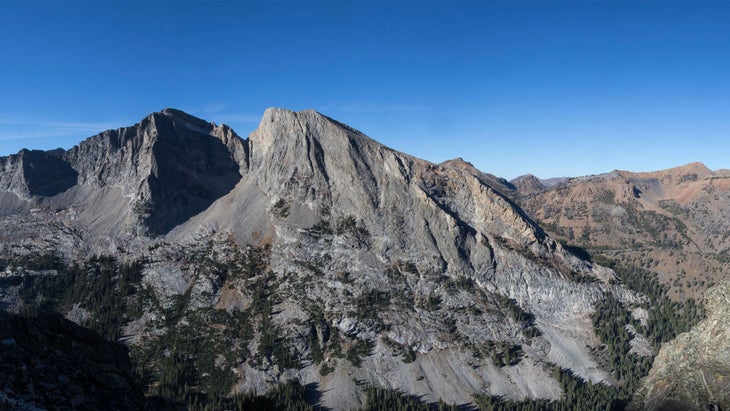
Avery Shawler left her Idaho apartment one morning in 2016 to hike a prominent peak. But the day outing quickly took a turn for the worse, and Shawler would end up needing a lot of luck—and all her backcountry skills—to make it home alive.
When she regained consciousness, Avery Shawler didn’t know where she was. She couldn’t see out of her left eye and the pain from her left arm was searing. With her right hand, she wiped gently over her brow. Looking down at her palm, she saw that it was covered in blood.
The sight of blood and a few more seconds, or perhaps it was minutes, prompted Shawler to take stock of her injuries and circumstances. She was still unclear as to what had happened and her whereabouts, but her wilderness training had taught her to assess, to plan, to be smart.
Now she had no choice: she had to use the satellite beacon. Yet even after retrieving it from her backpack, Shawler paused, reluctant to switch it on due to a combination of embarrassment and uncertainty about initiating a full-scale rescue. Reason soon prevailed, and she pressed and held the SOS button. After about 20 seconds, the device was supposed to enable texting with emergency dispatch. She began counting, but within a few seconds the beacon went dead.
My Father’s SOS—From the Middle of the Sea

Richard Carr, a retired psychologist who had long dreamed of sailing around the world, was in the middle of the Pacific when he started sending frantic messages that said pirates were boarding his boat. Two thousand miles away in Los Angeles, his family woke up to a nightmare: he might be dying alone, and there was almost nothing they could do about it.
My father’s e-mail didn’t make much sense, but he seemed to be saying that pirates had boarded his boat. “Being kidnapped by film company Deep south black cult took over steering,” it read. “Ship disabled.”
Dad was in the middle of the Pacific Ocean, on his way from Puerto Vallarta, Mexico, to the Marquesas Islands, 26 days into a single-handed, 2,780-mile crossing that was to be the first major leg of a lifelong dream: sailing around the world. It was 3:30 A.M. where he was, near the equator, an hour behind Pacific time. He was 1,160 nautical miles from the Marquesas, 1,975 from Hawaii, and 1,553 from Mexico—about as far away from land, and help, as you can get.
The Coast Guard hadn’t been able to find any instances of piracy in the area where Dad was. Later research, using records from the International Maritime Organization, showed that of the 204 reports of piracy and armed robbery worldwide in 2017, only three occurred in the region where Dad was sailing.
In Search of Michelle Vanek
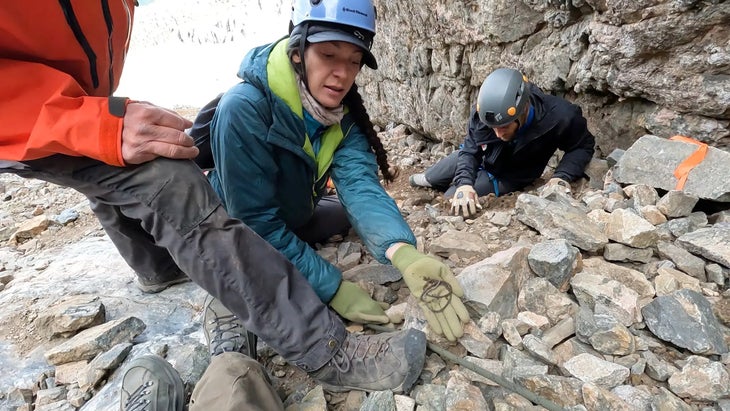
She was the only hiker ever to die while seeking the summit of central Colorado’s most famous 14er. A member of the successful search team investigates who she was, how her death—and her recovery 19 years later—impacted her family, and what we all need to consider before heading into the alpine.
Holy shit.
“Stryker just gave me a TFR,” I announce into my radio. Zach free climbs up the drainage while I scramble around it with my dog. At the top, I join Jeff Ashby, who’s standing at the edge of a cliff assessing the primary search site. A few minutes later, Zach’s voice crackles over the radio.
“I think I found a spine.”
“Say again, break. You found what?”
“A spine. I think I found a spine.”
On the radio I ask Anya Minetz, who’s exploring nearby caves with Dave Weisman, to vector over to Zach and inspect the find, and verify that it’s not from a bighorn sheep like so many other bones we’ve found scattered around the basin.
After the Crash, They Said I Was Fine. I Wasn’t.
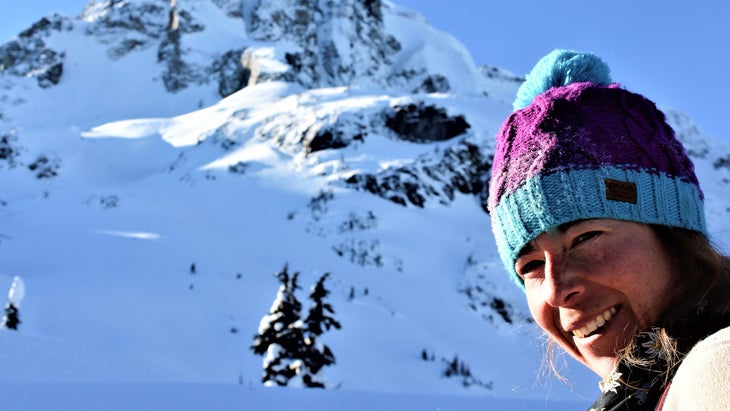
Ten years ago, heli-ski guide Erin Tierney survived a helicopter crash and began a relentless journey of healing and recovery. Battling injuries invisible to the naked eye, she fought to reframe and regain her hold on the life she loved.
He reached in and unzipped my portable radio from my jacket. I relinquished all control and went inside myself to wait. My body was frozen in the seat, and my brain was firing on and off like a shorted wire. One minute I was staring wide-eyed and straight ahead as if in a trance, seeing the crash replay again and again, and the next I was wanting to fire off commands and take over as accident site commander. I watched from the corner of my eye as tasks were being performed around me. I tried to reach the base again, this time on the helicopter’s radio, but no one heard me. My world was spinning, yet I felt invisible. Powerless, I sank back in my seat. Everything moved forward while I sat frozen in a moment of time. I was shaking. I called for Jim.
“How are you, Jim? What happened? Where are we?”
“We had a crash, Erin,” Jim replied.
How a 6-Year-Old Survived Being Lost in the Woods
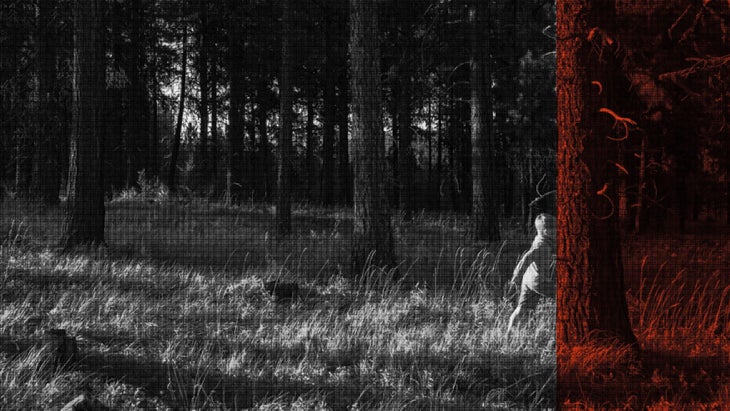
As a child, Cody Sheehy made headlines when he vanished into the freezing wilderness of Northeast Oregon, making it out safely after 18 hours of determined slogging. Retracing his steps 32 years later, Sheehy says that getting lost was one of the best life lessons he ever had.
Cody Sheehy is standing in a grassy meadow in northeast Oregon, surrounded by dark pines, spruce, and juniper trees. Cody, 39 years old and six foot two, grew up in a ranching family here in remote, rugged Wallowa County. When he was six years old—a mere 40 pounds and three-and-a-half feet tall—he got lost in these woods while playing with his older sister during a springtime family picnic. Within a few hours, a search party began looking for him, crisscrossing the Blue Mountains on horseback all night as rain fell and temperatures hovered just above freezing. They never found him.
Instead, Cody, who is now a Tucson-based documentary filmmaker and sailor, found himself.
When the River Took John Squires
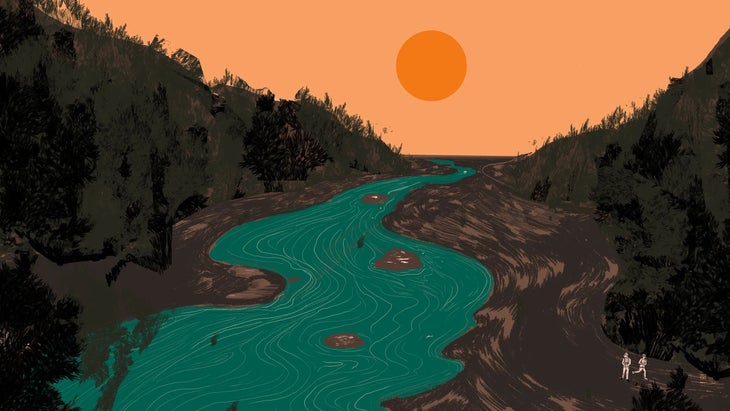
For years, three old friends from California had been making an annual pilgrimage to fish Alaska’s wild and pristine waterways. But in 2018, only two came home.
Smith was the first to go overboard. He was seated in the bow, and the momentum of the raft pushed him into the alders, where a large branch swept him out of his seat and into the rushing water. Squires went next. His left oar became wedged in the tangle of wood. The oar swung violently in its oarlock, knocking him into the river and crumpling the raft’s aluminum frame.
Smith’s waders started to fill with water, and the pistol strapped to his chest felt like a weight pulling him under. Bouncing along the river bottom eight feet under, he took a sharp blow from a rock above his right eye. He grasped for any handhold within reach, finally wrapping his arms around a boulder and pulling himself to shore.
The post The Search and Rescue Stories Our Editors Will Never Forget appeared first on Outside Online.