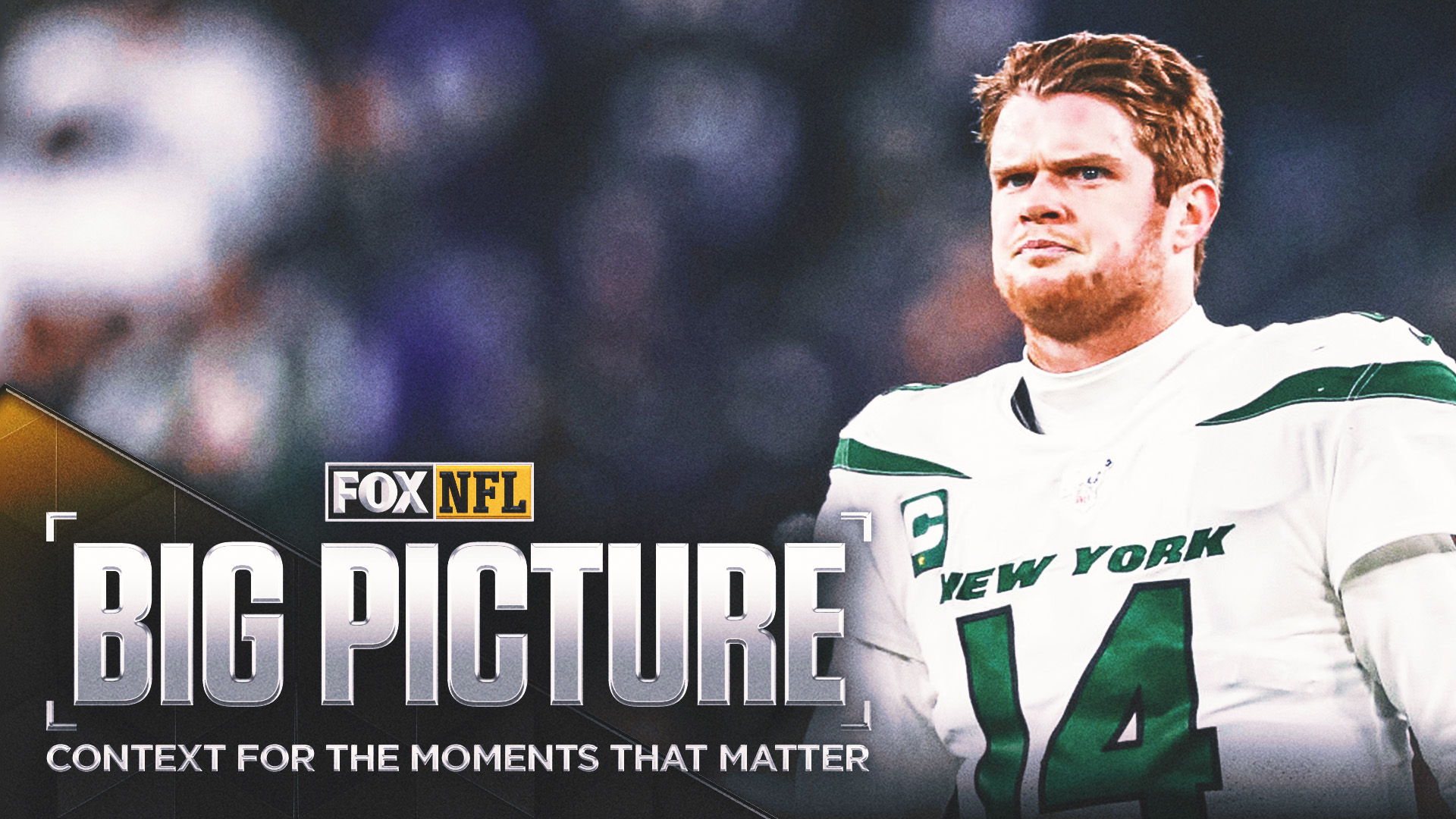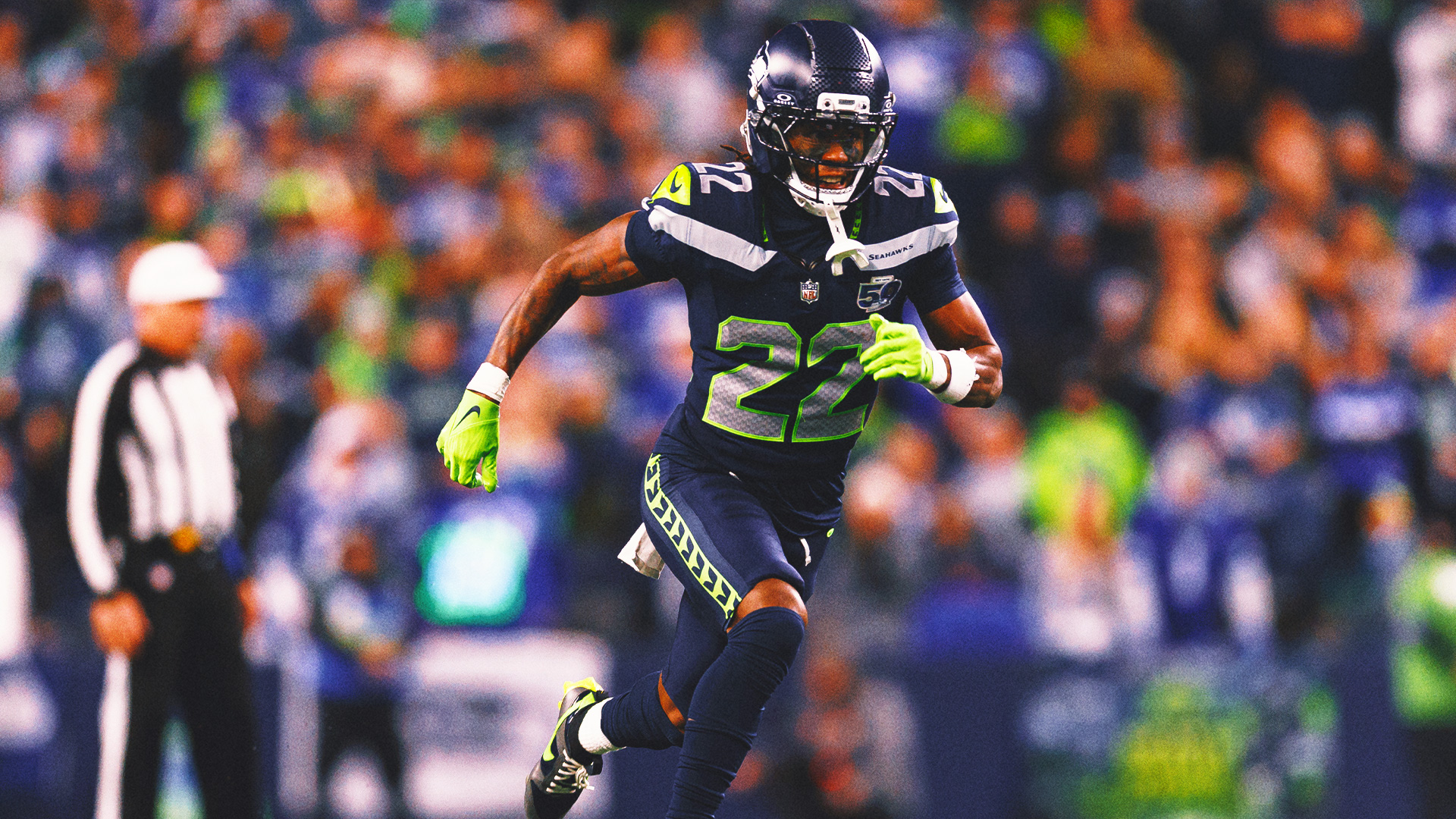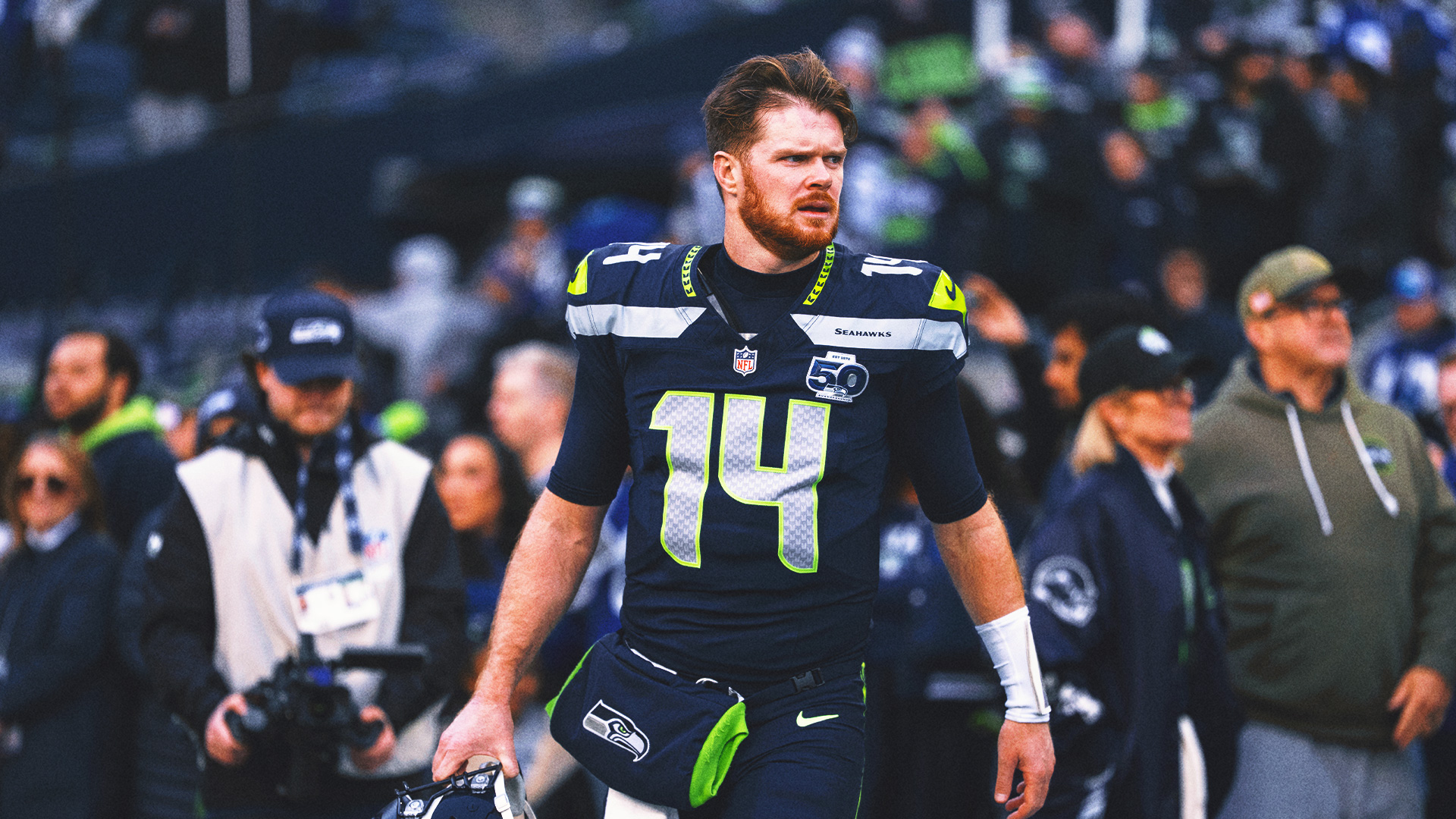






A month before the New York Jets traded away a quarterback they once thought would be their savior, general manager Joe Douglas was gushing in his praise of Sam Darnold. He called him “a dynamic player … with unbelievable talent” and he raved about his “outstanding potential.” In hindsight, of course, it seems like meaningless bluster — an executive trying to inflate the value of an asset he was trying to sell. Except it wasn’t. At least not completely. “It wasn’t a lie, I don’t think,” a former Jets assistant coach told me recently. “We really liked him. The timing and circumstances just weren’t right for Sam.” In a nutshell, that’s the story of Darnold’s short, disappointing tenure in New York that began with enormous promise and ended in the perception of failure. And it’s why the Jets traded him away weeks before the 2021 NFL Draft, sending him on a winding road that ultimately led to Super Bowl LX. Over the past two seasons, including this one with the Seattle Seahawks, the 28-year-old Darnold has proven to everyone he’s always had the talent. It just never had a chance to fully develop in New York. That’s a very familiar story when it comes to Jets quarterbacks over the past 50 years, but Darnold was the one they thought would be different. In fact, it was a rare stroke of good fortune for their cursed franchise that Darnold fell in their laps in the 2018 Draft. They had been stumbling along with aging veteran quarterbacks the previous two seasons (Ryan Fitzpatrick, Josh McCown) and traded three second-round picks to move up from No. 6 to No. 3 in the first round. But they thought they’d be choosing between Baker Mayfield and Josh Rosen (they didn’t appear to have much interest in Josh Allen at the time) when they were on the clock. Then the Cleveland Browns surprised everyone by pivoting to Mayfield with the first overall pick. And when the New York Giants locked in on running back Saquon Barkley at No. 2, the Jets got their man. And they were thrilled to land the USC quarterback. Jets vice chairman Christopher Johnson, who was running the team back then while his brother, Woody Johnson, was serving as the ambassador to the United Kingdom, said at the time “I honestly think you are going to look back 20 years from now and say this is the moment the Jets shifted into a new gear, that they became a great team.” Well, not quite. Things started off well enough for Darnold. He game-managed his way to a shocking 48-17 win in Detroit in the season opener of his rookie season (when, just a few months after turning 21, he became the youngest starter at QB since the 1970 AFL-NFL merger). He threw for 334 yards in a loss to the Dolphins the next week. All in all, his rookie season was typical of the ups and downs of a young quarterback. In 13 starts (he missed three games to a foot injury) he completed 57.7% of his passes for 2,865 yards, 17 touchdowns and 15 interceptions. By the end of the season — particularly after a 341-yard, three-touchdown performance in an overtime loss to the Packers in Week 16 — everyone thought the arrow was pointed up. And then it wasn’t. Todd Bowles was fired after that 4-12 season and the Jets made the dubious choice of replacing him with recently fired Dolphins coach Adam Gase. Then Darnold missed three games early in his second season after being diagnosed with mononucleosis. He returned in Week 6 by throwing for 338 yards in a win over Dallas, but it quickly became apparent that the illness had taken its toll and Darnold just wasn’t the same. The next week was the infamous “ghosts” game, when he threw four interceptions in a 33-0 loss to the Patriots and NFL Films caught him on a mic admitting he was “seeing ghosts” as he tried to decipher Bill Belichick’s defensive scheme. He struggled with the fallout, and with picking up Gase’s offense, a lot over the next two years. His last season in New York was the worst. Darnold missed four games with a shoulder injury and clearly regressed, completing just 59.6% of his passes for 2,208 yards with 9 touchdowns and 11 interceptions in 12 starts. “By that point, he was broken,” the then-Jets assistant told me. “Everyone could see it. But we didn’t think he was finished when we got him. We just thought injuries and being on a bad team had really hurt him. I don’t remember anyone on the staff thinking he was a bust.” In fact, when Robert Saleh was hired to replace Gase in 2021, he lavished huge praise on Darnold in his opening press conference — and he apparently really meant it. “He’s got an unbelievable arm talent,” Saleh said at the time. “He’s fearless in the pocket. He’s got a natural throwing motion. He’s mobile. He’s extremely intelligent. He’s tough as nails. His reputation in the locker room is unquestioned.” Multiple sources back then said Saleh “loved” Darnold and made that clear during the interview process. He and his staff would have been fine moving forward with Darnold in the fourth year of his NFL career. They even saw promise in his three-year numbers (59.8 completion rate, 8,097 yards, 45 touchdowns, 39 interceptions) despite his 13-25 record. But there were other forces at play. Thanks to a 2-14 campaign, the Jets were holding the No. 2 pick in the 2021 NFL Draft (after an 0-13 start, they won two of their last three games, costing themselves a shot at eventual No. 1 pick Trevor Lawrence). And the more Douglas, heading into his second draft in New York, scouted the available quarterbacks, the more he fell in love with BYU’s Zach Wilson. Douglas also knew that days after the draft they’d have to make a decision on the fifth-year option on Darnold’s rookie contract, which would have paid him a guaranteed $18.9 million in 2022. Darnold had $4.6 million (and a $9.8 million salary cap hit) coming to him in 2021 already. And $28.7 million against the cap over two years would’ve been a huge commitment for a quarterback who was the lowest-rated starter in the league over his first three years. Douglas was open about that after the fact, calling the trade “an opportunity to hit the reset button financially, so to speak.” Yet they discussed keeping Darnold anyway. Douglas even conceded that they liked him enough that if they hadn’t been picking so high, “We’d fully be comfortable moving forward with Sam.” Saleh, according to sources, even pushed the idea of drafting a quarterback and keeping Darnold either as a bridge, or letting the two quarterbacks battle it out. “I do remember that,” the assistant told me. “Though I’m pretty sure we all knew that would never work.” That, of course, could have been a disaster, especially in the New York market, and it wouldn’t have made much sense financially either. And the coaches, as much as they liked Darnold, clearly understood. “I don’t remember a lot of fighting about it,” the assistant coach told me. “There was a lot of respect for Sam and belief in his abilities. But in the end, I think everybody knew it was best to move on.” There was a feeling around the NFL back then that it was best for Darnold, too. The Jets, at the time, were a bigger mess than usual and were seemingly dragging Darnold down with them. It didn’t help that he wasn’t especially durable during those three seasons, missing a total of 10 games because of injury and illness. He was also about to play under his third head coach and offensive coordinator and in his third offensive system, and Douglas hadn’t exactly built a powerhouse around him. Darnold had yet to play with a single 1,000-yard receiver or rusher, all while scrambling behind dozens of different combinations along the offensive line. “That was no place for a quarterback to grow,” an AFC scout who followed the Jets back then told me. “I honestly thought they had ruined him for good. But it was pretty clear he had to get out.” So Douglas made the decision to shop him around — though he insisted at the time that he was only answering calls from other teams. He got immediate interest from the Denver Broncos, the San Francisco 49ers and the Washington Commanders. Douglas set the price of a second-round pick, modeling it after the deal the Arizona Cardinals got in 2019 when they sent Rosen to the Dolphins (for a second and a fifth) just one year after they drafted him 10th overall — seven picks after the Jets took Darnold. Once the Panthers met the asking price — sending a sixth-round pick in the 2021 draft and second- and fourth-round picks in the 2022 draft to the Jets — the deal was done. One month later, the Jets drafted Wilson, swapping one presumptive franchise savior for another. That decision, of course, became just the latest in a series of disasters for the Jets. Wilson proved to be far worse than Darnold ever was (6,325 yards, 23 touchdowns, 25 interceptions, and a 12-21 record as a starter). The Jets actually moved on from him after two years when they acquired the aging Aaron Rodgers. Only Rodgers ruptured his Achilles four snaps into the 2023 season, giving Wilson a second chance in New York. It didn’t go well, of course, and Wilson was released after his third season. Saleh was fired just a few games into the following season, followed by Douglas about a month later, and then Rodgers at the end of the 2024 campaign. The Jets, in the five years since trading Darnold, have cycled through nine different starting quarterbacks. So, was trading Darnold a mistake? “I mean, in hindsight, sure,” the scout told me. “But if you’re realistic, there was just no chance — no chance at all — that he was going to find any success in New York.” Darnold didn’t find much success in Carolina either, but he showed enough in his 17 starts there that Kyle Shanahan brought him to San Francisco as a backup in 2023, two years after trying to acquire him from the Jets. He ended up in Minnesota a year later and had a breakout season, only to walk in free agency because the Vikings were committed to playing unproven top-10 pick J.J. McCarthy after drafting him No. 10 overall in 2024. This year, Darnold became only the second QB in NFL history to win 14 games in consecutive seasons — and he appears to have finally found his football home in Seattle. “We’re happy for him. Truly,” the former Jets assistant told me. “It probably never would have happened with us. But he deserves it. One thing I think everyone in the organization agreed with is that he really was a great kid.” “He’s a great example of two things: how an organization can ruin a quarterback, and why you don’t give up on talent,” the scout told me. “It doesn’t happen with everybody, but sometimes these guys just need to get to the right place.” In the Big Picture, we contextualize key moves and moments so you can instantly understand why they matter. Read More
The Big Picture: Why a ‘Broken’ Sam Darnold Had ‘No Chance’ At Success With Jets … from Fox sports