








Members of our editorial staff were not involved in the creation of this content.
Hair loss is something most men (and a growing number of women) have to deal with in their lives. For some, hair loss may even begin in their teens and twenties. It doesn’t have to be drastic—a thinner parting, a hairline that retreats a little more each year, and slowly you’ll find yourself looking into the mirror more and more.
Regardless of your age, hair loss can significantly impact your well-being. At first, it’s easy to shrug off. A different hairstyle, a cap, another bottle of “miracle” shampoo. But eventually, you’ll realize it: You’re losing hair.
That realization sends thousands of men and women searching for something that works. Some land on medication. Others read about surgical options. For a growing number, the trail leads to looking for the best hair transplant in Turkey.
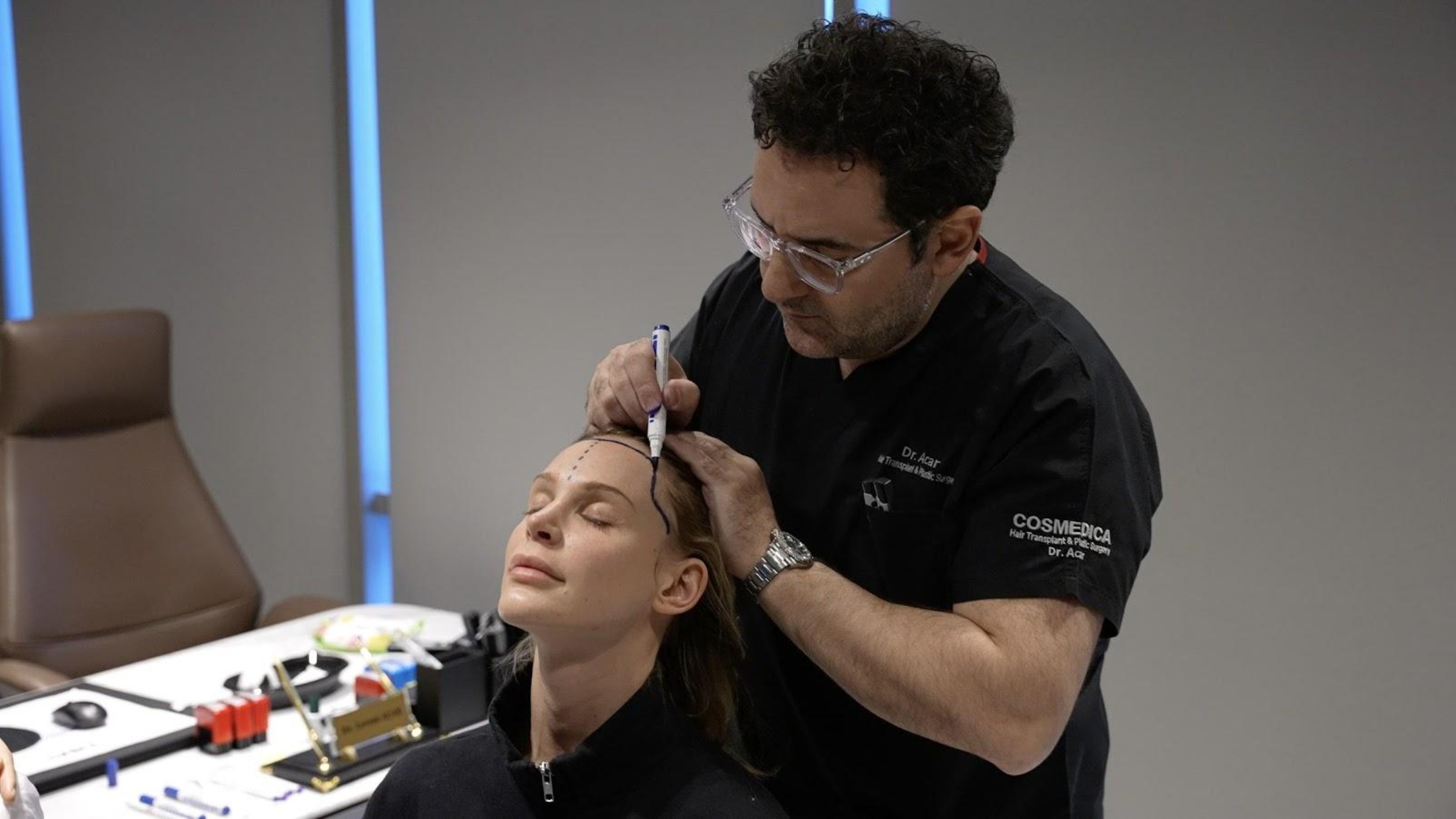
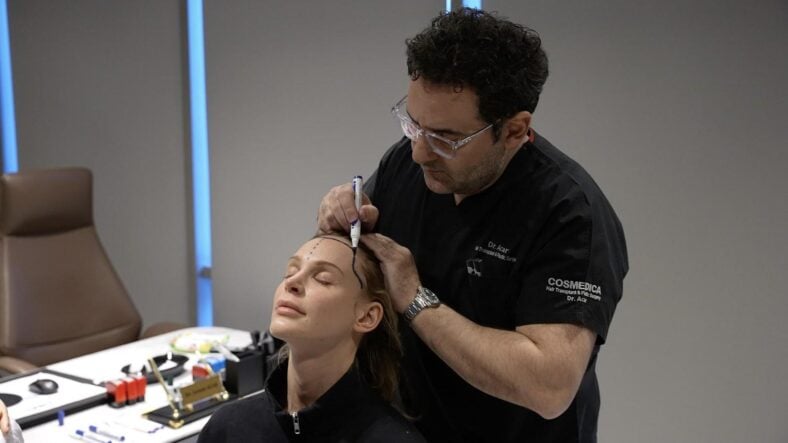
Luckily, the time when hair transplants looked pluggy is in the past. “Hair transplantation has been practiced for over 80 years. Now, we’ve developed methods that look completely natural, so nobody can tell it was transplanted,” Dr. Levent Acar from Cosmedica Clinic says.
The following is a deep dive into hair transplants in Turkey.
Why Turkey? More Than Price Alone
Price plays a huge role in the popularity of hair transplants in Turkey. Nobody denies that. A hair transplantation surgery in the US often costs between $10,000 and $15,000. In Turkey, the average hair transplant price ranges from $2,500 to $4,500. That gap is enough to get attention, but that doesn’t tell the whole story.
Istanbul has become a place where routine and precision meet. Skilled surgeons perform multiple operations every day. Techniques like follicular unit extraction (FUE) and the more recent Sapphire FUE hair transplant and Direct Hair Implantation (DHI) are standard, not experimental.
Entire neighborhoods have developed around this medical craft, featuring clinics, pharmacies stocked with aftercare products, and hotels that cater exclusively to patients. The medical infrastructure is designed for individuals seeking hair restoration and other forms of medical tourism.
The Treatment Of International Travelers
Going to a foreign country can be intimidating. Some people have never left their country before they flew to Turkey for a hair transplant. That’s why, for international travelers, the packages are also another huge draw. A typical inclusive package includes:
- Pre-surgery consultation and blood tests
- Airport transfers and hotel accommodation
- Medication, shampoo, and follow-up appointments
- Structured post-operative care with direct access to doctors
These details remove the hidden stress. Patients can focus on their recovery instead of figuring out taxis or where to buy gauze. The thought that you can have the best hair transplant in Istanbul, Turkey, and with all the “difficult” aspects taken care of, is very reassuring for patients.
Safety: Choosing The Clinic Defines The Best Outcome
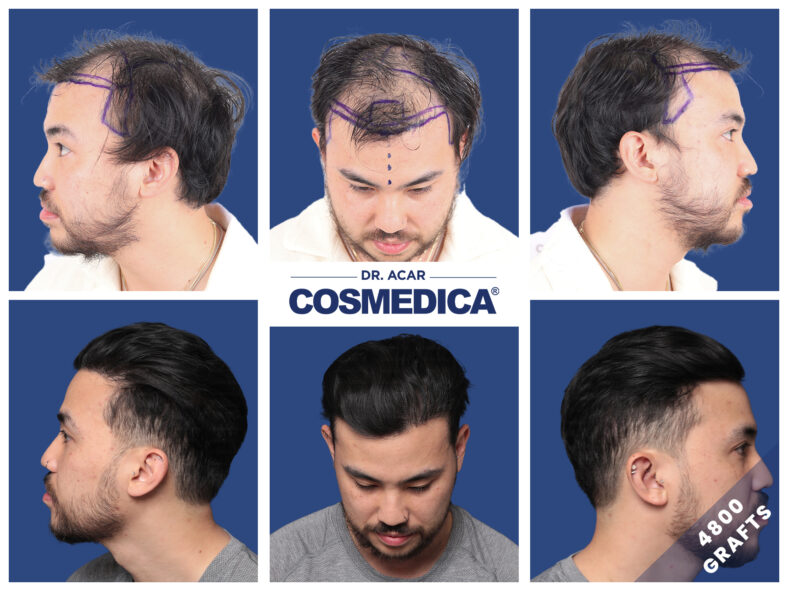
The question “Is Turkey safe?” misses the point. The real question is: Which clinic? The best hair clinic runs like a proper hospital. Licensed doctors are present throughout the process. They display real hair transplant before-and-after photos, not stock images. They measure your donor area, calculate the number of grafts needed, and explain every step of the hair implantation plan.
A poor clinic does the opposite: vague promises and little or no follow-up once you fly home. That’s where patients run into trouble. This has nothing to do with the country, because it happens everywhere. You need skilled surgeons to operate on you, and the clinic should offer comprehensive hair transplant before-and-after images.
Calculating The Real Cost
Even with lower prices, a good clinic is upfront about how the final figure is built. The total transplant cost in Turkey depends on:
- Technique used: standard FUE, Sapphire FUE, DHI, or Micro Sapphire DHI
- The surgeon’s experience and involvement
- Extras in the package, such as hotel quality or additional hair restoration sessions
Estimated Costs: U.S. Vs. Turkey:
- United States: $8,000-$15,000
- Transplant in Turkey: $2,500-$4,500
Lower wages and overhead explain the massive gap in prices; this doesn’t mean lower standards. Patients still get the most modern tools, like sapphire blades, implant pens, advanced microscopes, and doctors trained to international levels.
Inside The Procedure: How Modern Transplants Work
A modern hair transplant procedure is more art than assembly line. In the popular FUE hair transplant, individual grafts are removed one by one from the donor area. This is usually the back of the head, where hair growth is thick and permanent. Those grafts are stored carefully to protect each hair follicle.
In a Sapphire FUE or DHI session, the next step is creating tiny channels using a sapphire blade, followed by precise hair implantation with a specialized pen. Smaller cuts mean less trauma and quicker healing. Surgeons discuss the angle and density when placing each graft, ensuring the natural growth patterns and high graft survival rates.
This is very important, as it will significantly impact the appearance of your hair implantation surgery. The total success of the operation depends on three key factors: the health of the donor area, the surgeon’s aesthetic sense, and the patient’s discipline during recovery. Proper postoperative care is as important as the surgery itself.
“If someone is bald from the front all the way back to the donor zone, we cannot give them the density they had at 15 years old. But we can still give them a very good result, maybe 80% of what they want,” is what Dr. Levent Acar, from Cosmedica clinic, has to say about it.
Spotlight On Cosmedica Clinic
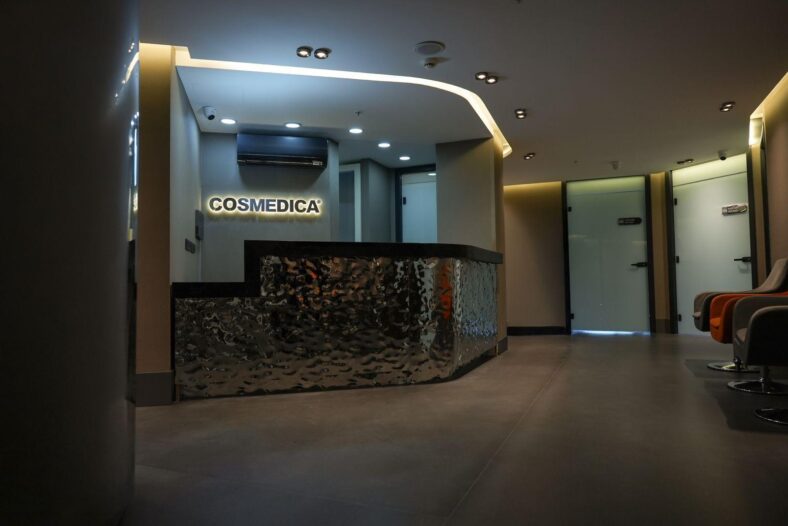
Among the many clinics in Turkey, Cosmedica consistently stands out. Hair transplant surgeon Dr. Levent Acar leads a team that performs thousands of operations for international patients each year. The clinic is all about creating natural outcomes, with state-of-the-art transplant techniques, from their clinic in Istanbul.
But the process is what stands out the most. Especially the unique Sapphire method, comprised:
- Extraction using follicular unit extraction.
- Channel creation with a sapphire blade.
- Direct hair implantation with a pen that protects each graft.
Patients describe the experience as organized from start to finish: airport pickup, hotel check-in, daily check-ups, and a follow-up schedule that continues months after the final stitch. Cosmedica also offers beard transplant procedures, applying the same precision to facial hair. The facility itself is state-of-the-art, and recovery rooms are designed for comfort and privacy.
The Cost Of A Hair Transplant In A High-Quality Clinic
Although some clinics in Turkey offer the most experienced doctors and innovative techniques, the hair transplant cost in Turkey is still significantly lower than in the West. The cost of a transplant doesn’t necessarily determine its quality. It depends on the person performing your hair transplant.
What Can You Expect After A Hair Transplant?
A successful transplant (sadly) doesn’t translate to instant hair growth. In the first weeks, shedding is normal. New growth starts around the three-month mark, but patients shouldn’t get discouraged if results are delayed. “The real results come after eight to 12 months. Patience is important,” Dr. Levent Acar says about the growth timeline.
Thickening is possible this isn’t a given. Good clinics prepare patients for that timeline by showing them hair transplantation results from past cases, so their expectations remain realistic.
Key Factors That Shape Outcomes:
- Strength of the donor area
- Surgeon’s placement technique
- Adherence to postoperative care
Medical disclaimer: The information in this article is for educational purposes only and does not constitute medical advice. Always consult a qualified healthcare professional for diagnosis and treatment.