








What You Should Know
- The Deal: Premise Health and Crossover Health have signed a definitive agreement to merge, creating a unified direct healthcare entity serving over 400 organizations and millions of members.
- The Scale: The combined organization will operate nearly 900 wellness centers across the U.S., offering a massive hybrid footprint of onsite, nearsite, and virtual care.
- The Leadership: Premise CEO Stu Clark will lead the new organization, but in a rare move for mergers of this size, Crossover co-founders Scott Shreeve, MD and Nate Murray will remain as key executives to ensure continuity of vision.
The “Tipping Point” Strategy
The merger is less about footprint expansion and more about market penetration. While Premise has long dominated the onsite (corporate campus) model and Crossover has pioneered the “nearsite” and tech-enabled membership model, their combination offers a comprehensive “hybrid” solution that legacy health systems struggle to match.
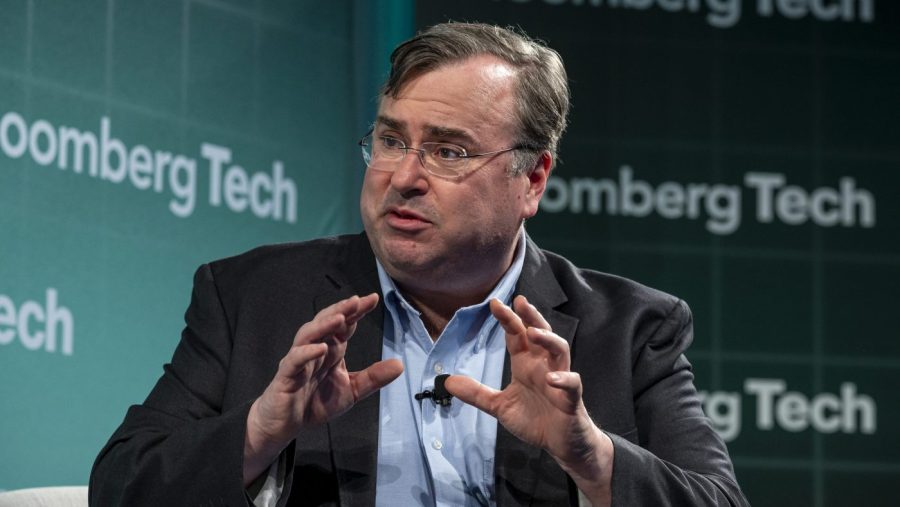
Dr. Scott Shreeve, CEO of Crossover Health, noted that the merger aims to bring advanced primary health to a “tipping point” where it becomes the standard of care.
The economic argument for this tipping point is strong. In 2024, Premise published data showing that patients utilizing their advanced primary care model saved an average of 30% ($2,434 per year) compared to community-based care. By combining Crossover’s data analytics and member engagement capabilities with Premise’s scale, the new entity aims to make those savings replicable for every major employer in America.
Accelerating Alternative Payment Models
One of the most significant, yet understated, aspects of this merger is the focus on Alternative Payment Models (APMs). Both companies have been quietly building the infrastructure for a “primary care centered health plan”—essentially bypassing traditional carriers to manage risk directly. The press release explicitly states that progress on this product will “accelerate as a result of the companies coming together.”
If the new entity can successfully deploy a capitated, primary-care-led health plan across its 400+ employer clients, it could disrupt the traditional PPO model far more effectively than any standalone insurtech startup.