








Minnesota Democrats are figuring out the delicate art of Trump diplomacy this week.
First, President Donald Trump had a “very good call” with Gov. Tim Walz, an inflection point after days of heated GOP attacks on the former vice presidential candidate. Then, Trump declared he’d had another “very good” conversation, this time with Minneapolis Mayor Jacob Frey. Both sides had been looking to deescalate, and Trump seemed to be turning a corner on the two Democratic “sanctimonious political fools” he had initially blamed after the shooting of Alex Pretti in Minneapolis.
Then the mayor accidentally broke the detente.
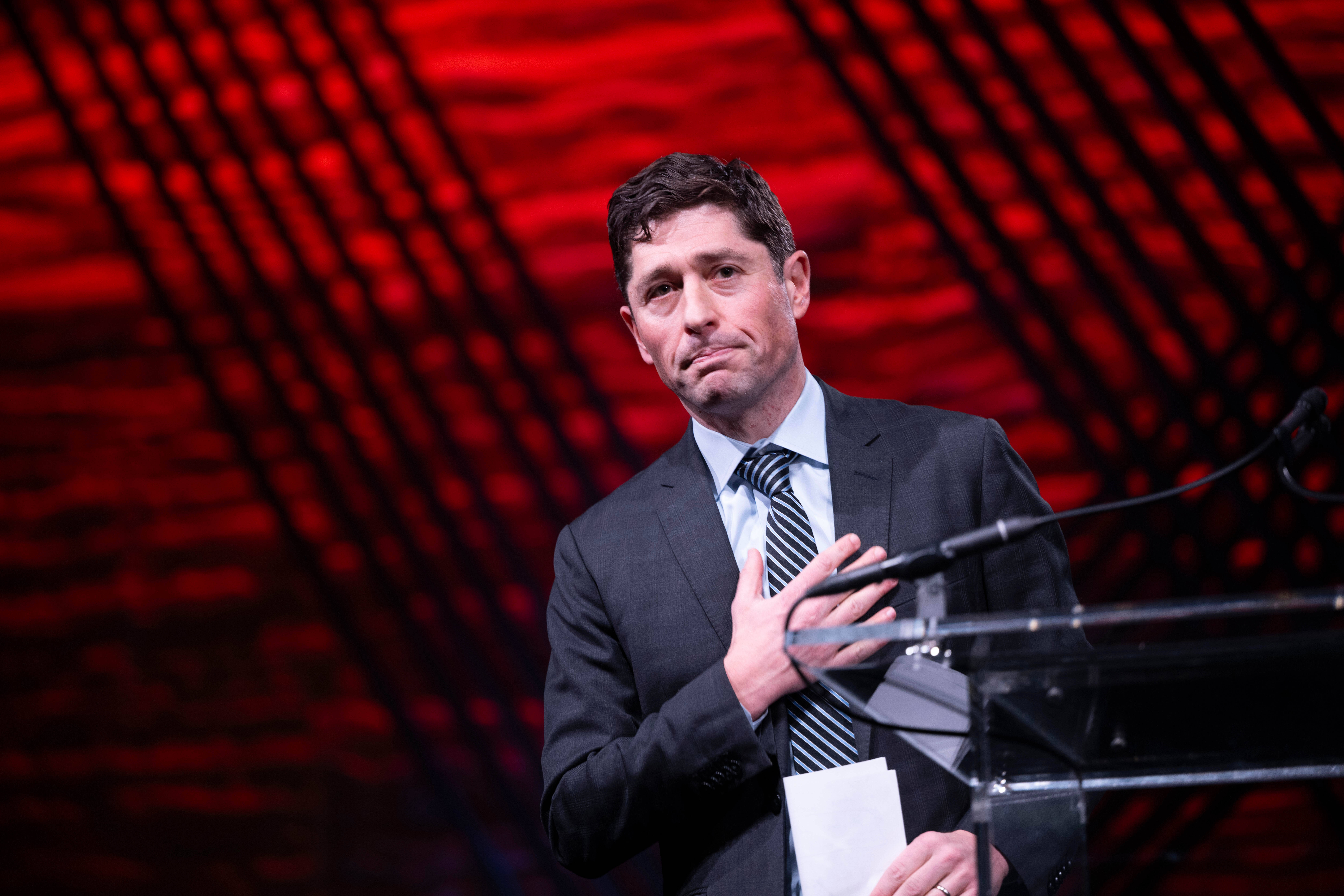
After meeting with Trump’s border czar Tom Homan, Frey reiterated on social media that “Minneapolis does not and will not enforce federal immigration laws,” which a person close to Frey said was simply intended as “clarifying what our stance was.” But Trump quickly shot back, declaring Frey’s “statement is a very serious violation of the Law” and warning the mayor that “he is PLAYING WITH FIRE.”
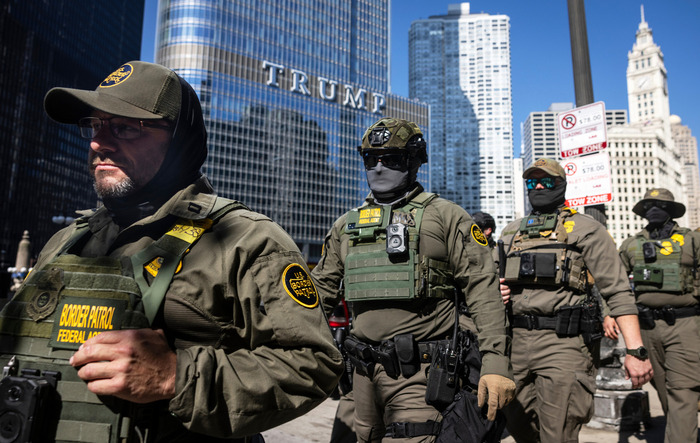
Trump’s response “surprised” the mayor, according to the person close to him, who was granted anonymity to speak about a sensitive issue. This person said city officials saw Trump’s response “as a threat.” Nonetheless, Frey, in recent appearances on CNN and at the National Mayor’s Conference in Washington on Thursday said “the Operation Metro Surge needs to end” while eschewing the kind of combative rhetoric that he had used over the weekend. Homan told reporters on Thursday morning that he’d asked for immigration agencies to work on a “drawdown plan.” After a tense day or two, the fragile peace appeared to be holding.
The episode illustrates just how delicate the ongoing talks to deescalate the crisis in Minnesota are with a president known for his capricious and erratic negotiating style. As Democrats across the country see a rare political opening on immigration, Minnesota Democrats are first and foremost trying to end the immigration crackdown in their own state. Despite their public confidence, they’re privately on tenterhooks over whether Trump will take the exit ramp.
“This back and forth [between Trump and Frey] is unhelpful,” said one Minnesota Democratic strategist, granted anonymity to discuss a sensitive situation. “Strategically, I wouldn’t have phrased it that way. It’s not a huge mistake, but it’s not helpful.”
It’s a lesson foreign leaders are deeply familiar with already: Diplomatic breakthroughs with Trump can come fast, and fall apart just as quickly. European officials have regularly had to scramble to respond to the president’s controversial statements on the war in Ukraine or the ownership of Greenland with highly deferential overtures in both public and private. They’ve had mixed success.
Throughout Trump’s second term, Democrats have struggled to find their footing in negotiations with the president. Senate Minority Leader Chuck Schumer drew fury from his own party for voting for a GOP-drafted continuing resolution in March. In October, Democrats forced what would become the longest government shutdown in US history over health care funding, but they emerged from it without any tangible deliverables. But in Minnesota, Democrats appear to hold the political upper hand, as Trump’s polling numbers, particularly his handling of immigration, plummeted in recent weeks — and he signals eagerness to cut a face-saving deal.
“Everyone needs to give something here to move on from this,” one Minnesota union chief said — adding that it can be difficult to do. A Democratic operative in the state expressed hope that Frey’s post was merely “a bump on the exit ramp.”
But not all Minnesota Democrats agree that playing ball is the way forward. “Being nice isn’t somehow going to stop Donald Trump when anything can set him off,” said Ron Harris, a Democratic National Committee member from Minnesota. Frey’s post, he said, simply “emphasized what the law is.”
A spokesperson for Frey said in a statement that “the mayor has been communicating both publicly and privately, including to the president and Tom Homan, that Minneapolis would be happy to partner on criminal investigations, and that’s what we’re focusing our limited law enforcement resources on.”
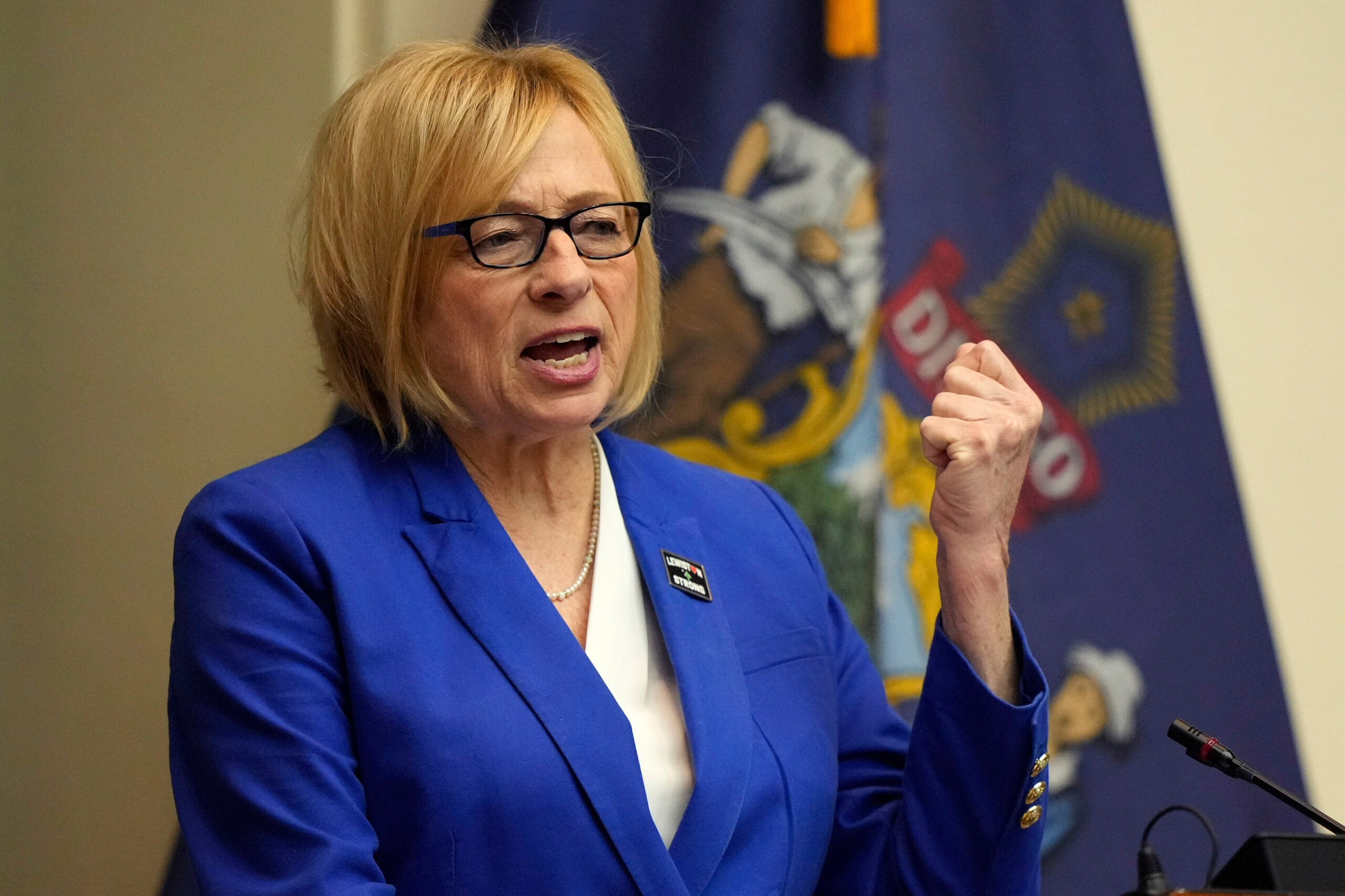
It’s unclear when the Trump administration will end its operation in Minnesota, though the president appears motivated to do so. The Trump administration has already pulled back in other states. Republican Maine Sen. Susan Collins said that ICE has “ended its enhanced activities” in Maine after politicians on both sides of the aisle urged the agency to stop.
For Democrats studying Trump diplomacy, Walz and Frey may offer a template in some of their tonal differences. Interviews with nearly a dozen Minnesota Democrats said the pair were largely aligned in substance, and the rhetorical daylight, highlighted by the social media scuffle with Trump, reflects their differing constituencies and styles — and political realities.
Last November, Frey held off a stiff challenge from the left from state Sen. Omar Fateh, a Democratic Socialist, to win reelection. But the progressive wing of the party retook the majority on city council, too. “He’s facing a lot of internal pressure” from the city council to “continue calling out the craziness,” said a Democratic strategist who, like others, was granted anonymity to candidly discuss a sensitive issue.
“Frey’s constituency is different” than Walz, the strategist said, “and in general, I think he’s been more combative … They’re also just different people with different negotiating styles.”
The 44-year-old mayor is also seen as a potential statewide candidate, layering in its own political calculations. Minnesota Sen. Amy Klobuchar’s gubernatorial run — and departure from the Senate — could likely open up another statewide office after 2026.
Walz, for his part, is unshackled from an immediate political future. The two-term governor dropped his reelection bid earlier this month, after a welfare fraud scandal in the state threatened to engulf his campaign. Walz acknowledged the scandal affected his decision and Republicans were eager to tie him to it, but he has not been accused of any wrongdoing.
Abou Amara, a Minneapolis civil rights attorney, said Frey’s aggressive rhetoric toward the beginning of the federal government’s intervention was “necessary,” but now “everyone understands there has to be a ratcheting down.”
“The mayor is obviously closer to the people, he understands the visceral pain and the trauma that the people are experiencing,” Amara said. “The governor is operating on a level of having a bit more authority here on how the state interacts with the federal government. … Governor Walz is in a position to deliver on things with the federal government in a way that the mayor is not.”
Meredith Lee Hill contributed to this report.