







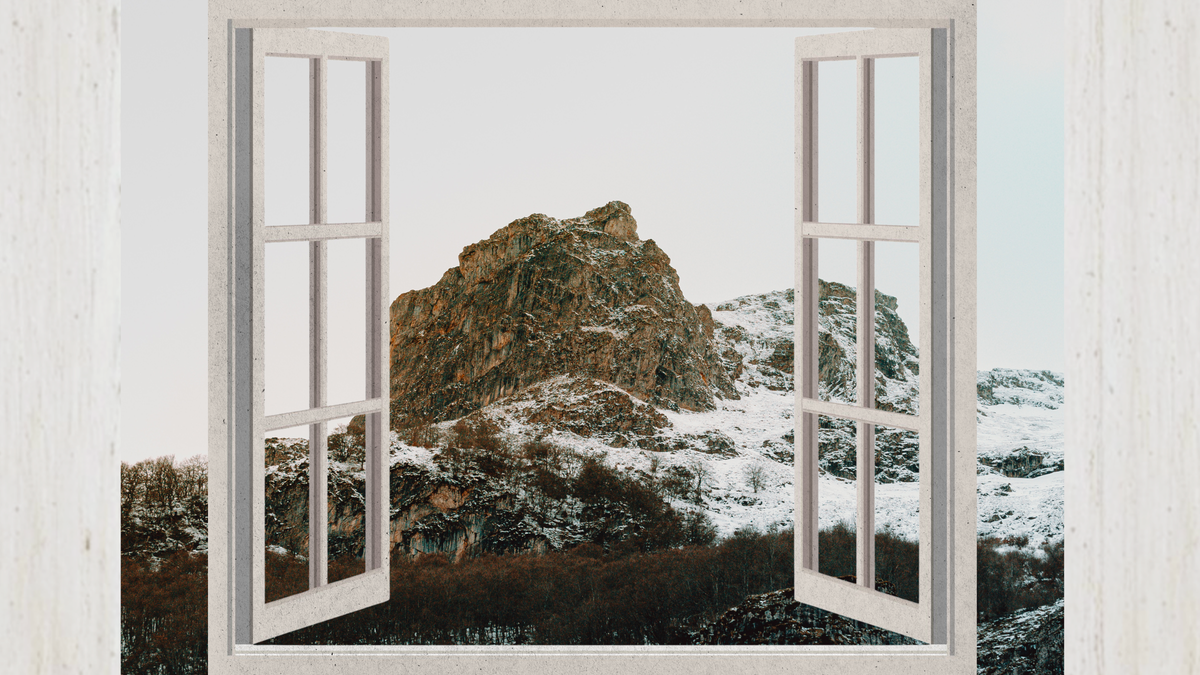
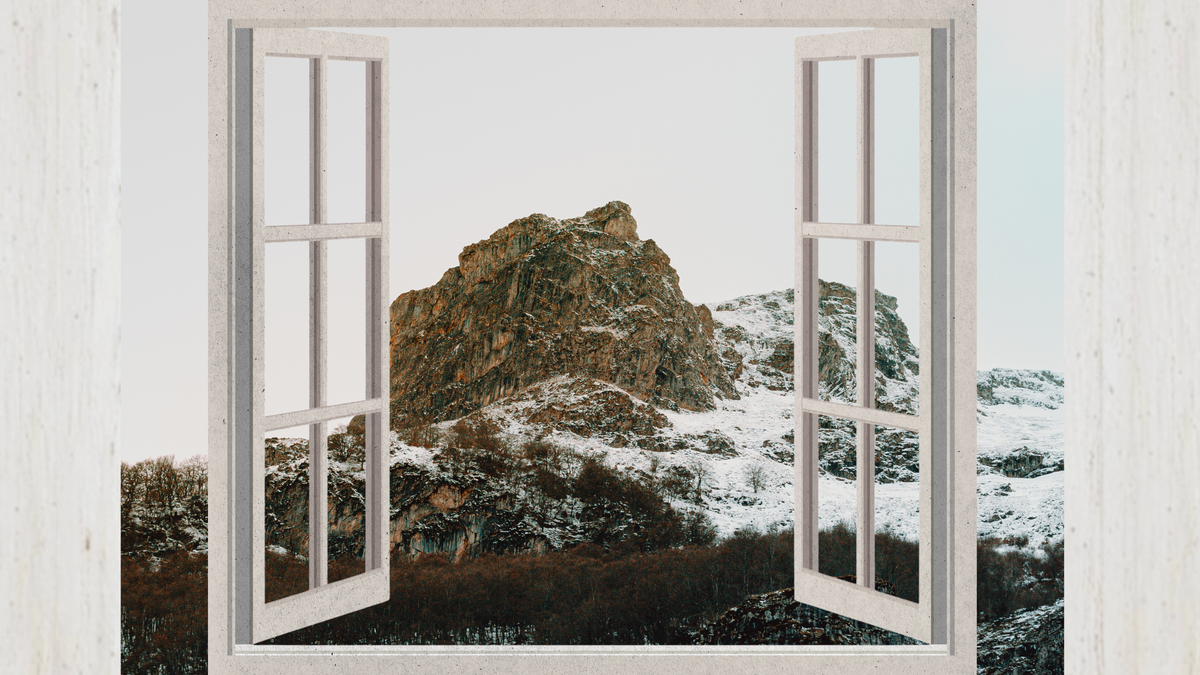
I’ll admit it: I started house burping—opening my windows each day, even in winter—because I saw it on TikTok. My daily scroll stalled as a woman strolled around her sunny home, unlatching each window, letting the fresh air flow in despite the snow on the ground. Something about the counterintuitive practice felt weirdly right, and I immediately slid open the window behind me, bundling myself in a blanket to guard against the cold. Almost instantly, my house seemed a far fresher, more pleasant place; I’ve been hooked ever since. Well, for about a month.
@dw_berlinfresh Even when it’s freezing, there’s a method to the madness!
#dwberlinfresh #cultureshock #houseburping #stossluften
What Is House Burping?
Think of your house as a body: how often does it truly get to take a deep breath? Dubbed “house burping” by fans on social media this winter, the German practice of lüften is all about inviting fresh air inside to reinvigorate your indoor world.
Opening your windows for a few minutes each day helps combat air stagnation via ventilation, which is ultimately good for your home and your health.
According to Dan Jaffe, a professor of environmental chemistry at the University of Washington, outside air is, surprisingly, often cleaner than inside air. He adds that exceptions to this rule include homes in close proximity to a busy highway, wildfire season, or any other conditions that create a wealth of pollution in your immediate outdoor environment.
But when the air is indeed fresh, letting it in is akin to atmospherically cleaning house.
“Outside air allows you to vent out the particulates and gases that would otherwise accumulate in your home,” says Jaffe. He adds that what we call “stuffy” or “stale” air is often a cocktail of airborne pollutants from daily activities such as cooking, cleaning, and using personal products. Pet dander and pollen are common indoor contaminants, too.
There’s no officially designated time for a house burping session, but around ten minutes seems to be the social media consensus.
The Benefits of Fresh Air
If you think that the malaise you experience when your house stays shuttered is all in your head, it’s not.
Professor of Biomedical Engineering at the University of Colorado, Mark Hernandez, notes that there’s an emerging cohort of credible research that suggests that humans respond negatively to a buildup of CO2 in their homes. “There are a broad variety of symptoms associated with exposure to higher CO2 levels for too long that are syndromic: lethargy, dullness, sleepiness, etc.,” he says. “The bottom line is humans need fresh air all the time to be in their best condition—not just ‘some of the time’ when we are indoors.”
There are an abundance of reasons that Germans have been trading their cozy self-made microclimates for the natural sort for centuries. If you’re not sold on opening your windows for vibes alone (which, if I’m honest, is what initially compelled me to do so), allow your physical and mental health to be your rationale.
Fresh Air and Fitness
If you can’t take your workout outside, open your windows, because research shows that those who exercise in nature perform better. If your indoor air is especially stagnant, you may unwittingly be undoing the effects of your fitness routine: according to one review, when average particulate matter (PM)—like dirt and dust—levels exceed 25 micrograms per cubic meter, the benefits of exercise quickly decline.
Improved Immunity and Sleep
If you’ve seen videos celebrating the Nordic tradition of placing well-bundled babies in the snow for nap time—this is sort of like that. Fresh air, no matter the temperature, and time in nature, boosts immunity. And research shows that reducing PM indoors improves overall immunity. According to the Environmental Protection Agency, keeping your home ventilated can reduce the spread of common illnesses like the flu.
Indoor air pollution, according to one 2025 review, can lead to poor sleep health. Getting fresh air inside could be the key to a good night’s rest.
Better Mood
And now, back to the vibes. Across a number of studies, air pollution is associated with less-than-optimal mental health, and shown to increase symptoms of depression and anxiety. Just as getting outside is proven to boost your mood, a breath of fresh air may help your world—internal and external—feel a little bit lighter.
Want more Outside health stories? Sign up for the Bodywork newsletter. And to get your new year off to a great start, sign up for the Winter Warrior Challenge; all you need to do is log 20 hours of workouts, and you’ll earn an exclusive challenge badge.
The post House Burping Reduces Air Stagnation and Improves Your Health appeared first on Outside Online.