








What You Should Know
- The Crisis: A new Harris Poll/Surescripts survey reveals that 56% of U.S. patients face challenges filling prescriptions, with 25% abandoning medication entirely due to cost.
- The Gap: Despite high digital literacy, only 20% of patients feel “empowered” to manage their meds, largely because they don’t know where to find accurate pricing information (48%).
- The Fix: The data suggests a massive appetite for provider-led digital tools. 84% of patients want their doctors to recommend price comparison solutions, prompting Surescripts to launch “Script Corner” to bridge the transparency gap.
Surescripts Report: Patients Demand Price Transparency as “Sticker Shock” Derails Adherence
The American prescription drug market remains a stubborn anomaly: a black box where the price is revealed only after the transaction is initiated. A sobering new report from Surescripts, conducted by The Harris Poll, quantifies the human cost of this opacity. The survey of over 1,000 U.S. adults reveals a system defined by friction, confusion, and “sticker shock.” More than 56% of patients report facing barriers when trying to fill a prescription, and perhaps most alarmingly, one in four has walked away from the pharmacy counter without their medication simply because they couldn’t afford it.
“The traditional healthcare models fail people every day,” notes Frank Harvey, CEO of Surescripts. “Not because they make bad choices, but because the system gives them no chance to make the right ones.”
The “Sticker Shock” Epidemic
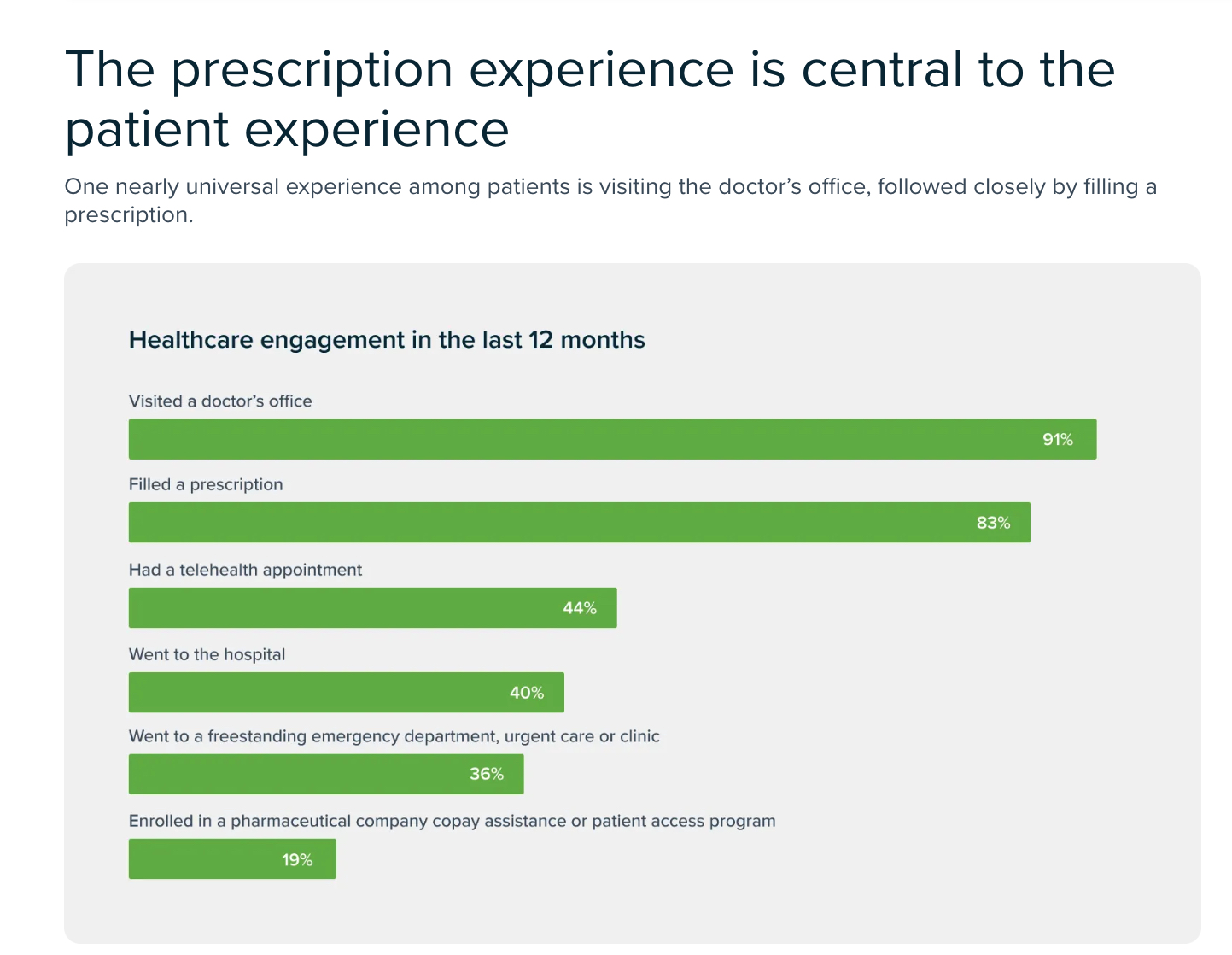
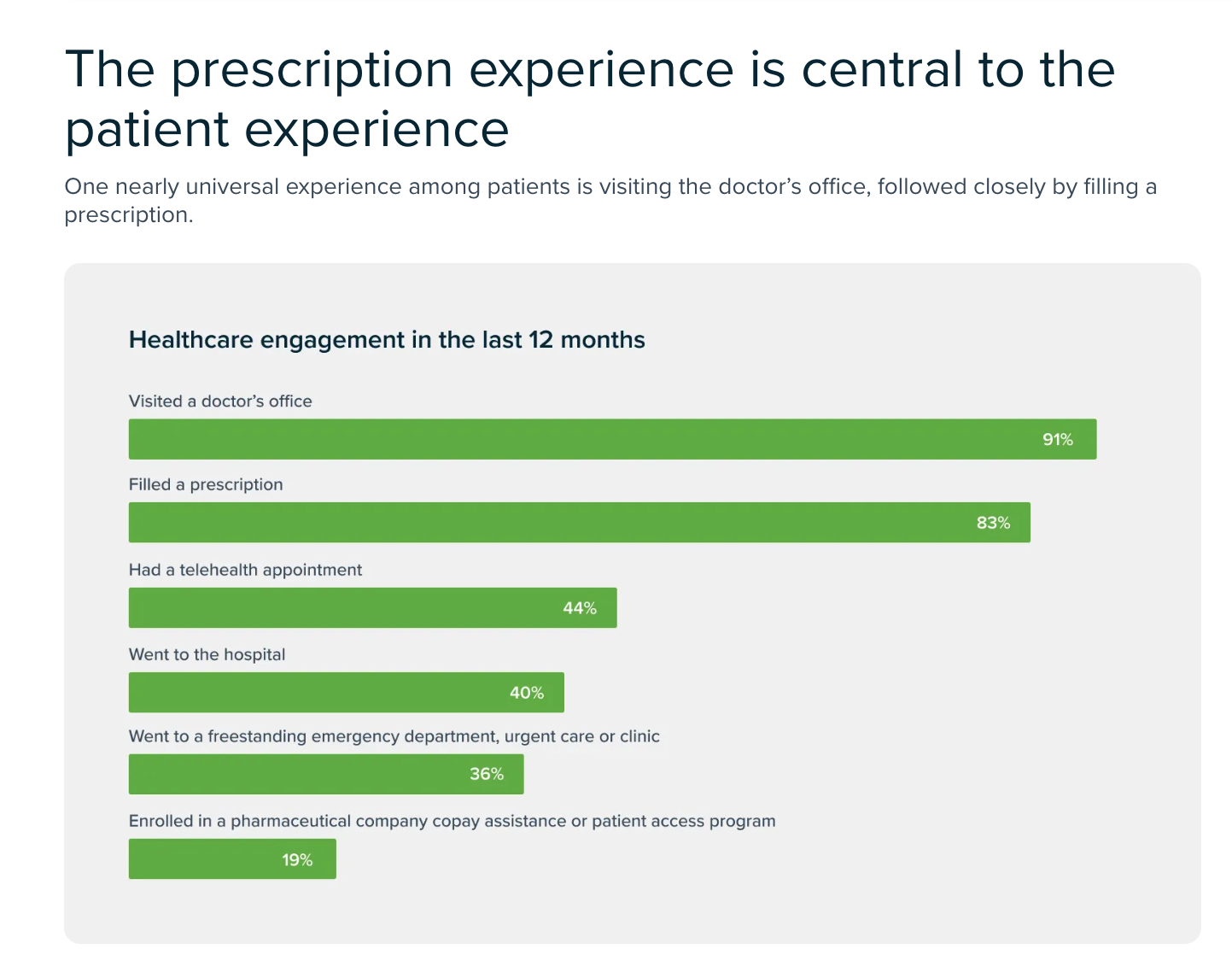
The core of the issue is a lack of data at the point of care. While 76% of patients report being in good health, chronic conditions are rampant, with nearly half of respondents managing at least one long-term illness. For these patients, medication isn’t optional; it’s survival.
Yet, the financial infrastructure supporting them is broken.
- The Uncertainty: 48% of patients admit they don’t know who to trust for accurate pricing information.
- The Consequence: Without clear cost data upfront, patients are rationing care. One in five reported splitting pills to make prescriptions last longer—a dangerous practice that undermines clinical outcomes.
“With more patients than ever relying on expensive medications… the need for patients to have accurate prescription cost information at the point of prescribing has never been greater,” Harvey adds.
The Trust Paradox: High Trust, Low Tooling
The survey highlights a critical opportunity for healthcare providers. Despite the systemic frustration, patient trust in clinicians remains high.
84% of patients stated they would see added value in digital tools if they were recommended or managed by their provider. This debunks the myth that patients want to “go it alone” with consumer apps. They want their doctors to guide them through the financial maze of healthcare just as they guide them through the clinical one.
However, a disconnect remains. Only 26% of patients currently discuss costs with their provider during visits. This silence is expensive. When cost isn’t part of the clinical conversation, the prescription often dies at the pharmacy counter.
The “Script Corner” Solution
Responding to this gap, Surescripts has launched Script Corner, a mobile-friendly web application designed to bring radical transparency to the patient experience.
Unlike the fragmented landscape of coupon apps and insurance portals, Script Corner attempts to aggregate the “true price.” It provides patients with instant visibility into their out-of-pocket costs at their chosen pharmacy, comparing insurance copays against cash discount programs like GoodRx.
This move signals a shift in Surescripts’ strategy—moving from a backend infrastructure player to a patient-facing advocate. By putting “meaningful choices directly into patients’ hands,” the company aims to close the loop between the doctor’s office and the pharmacy register.
The Prior Authorization Bottleneck
Beyond cost, the survey illuminates the persistent friction of administrative red tape. 29% of patients reported delays due to prior authorization (PA), with that number jumping to 36% for those on multiple medications.
The impact is clinical, not just inconvenient. 13% of respondents reported that their health actually worsened due to these delays. In a digital world, waiting days for a fax-based approval process is an anachronism that is actively harming patients.