








What You Should Know
- The Trend: A new report from Wolters Kluwer reveals that nurses are aggressively adopting Generative AI, with 58% using it personally and 46% already using it in the workplace.
- The Motivation: The driver is survival. With staffing shortages and burnout plaguing the profession, 45% of nurses see GenAI as a critical tool for reducing burnout by automating documentation and routine tasks.
- The Risk: A dangerous governance gap exists. While usage is high, only ~20% of organizations have formal training or published policies, leading to fears among 53% of nurses that AI overreliance could erode clinical decision-making skills.
Wolters Kluwer Report: 46% of Nurses Use GenAI at Work, Yet Only 22% Report Clear Policies
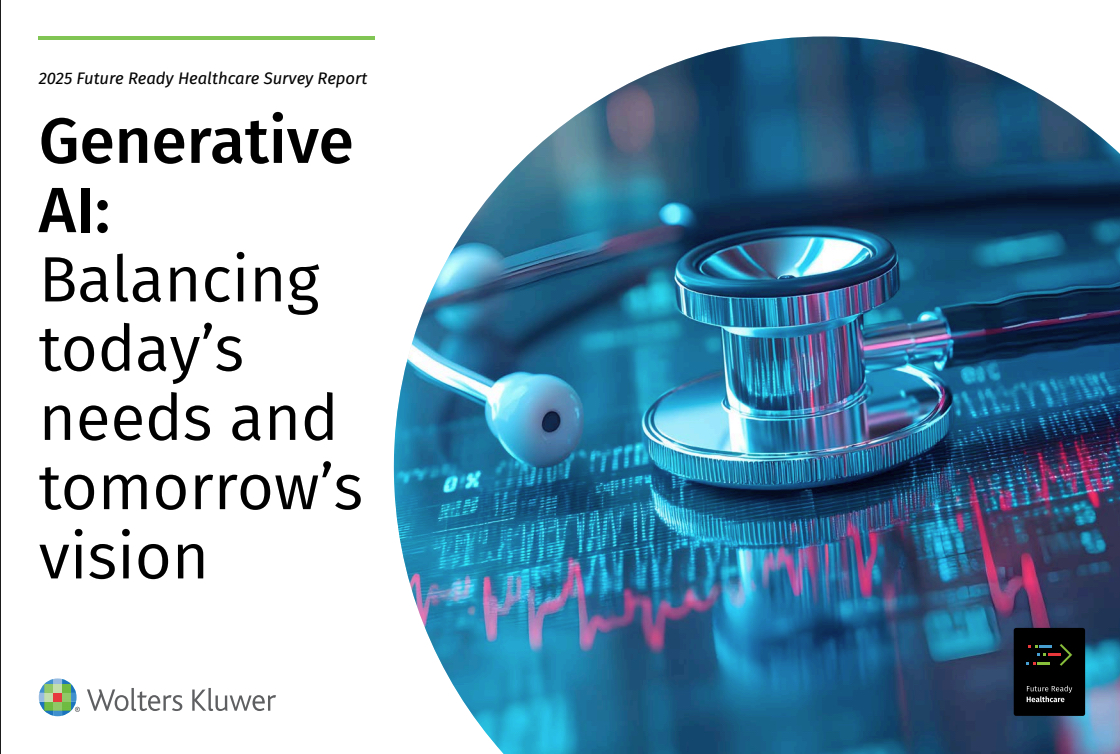
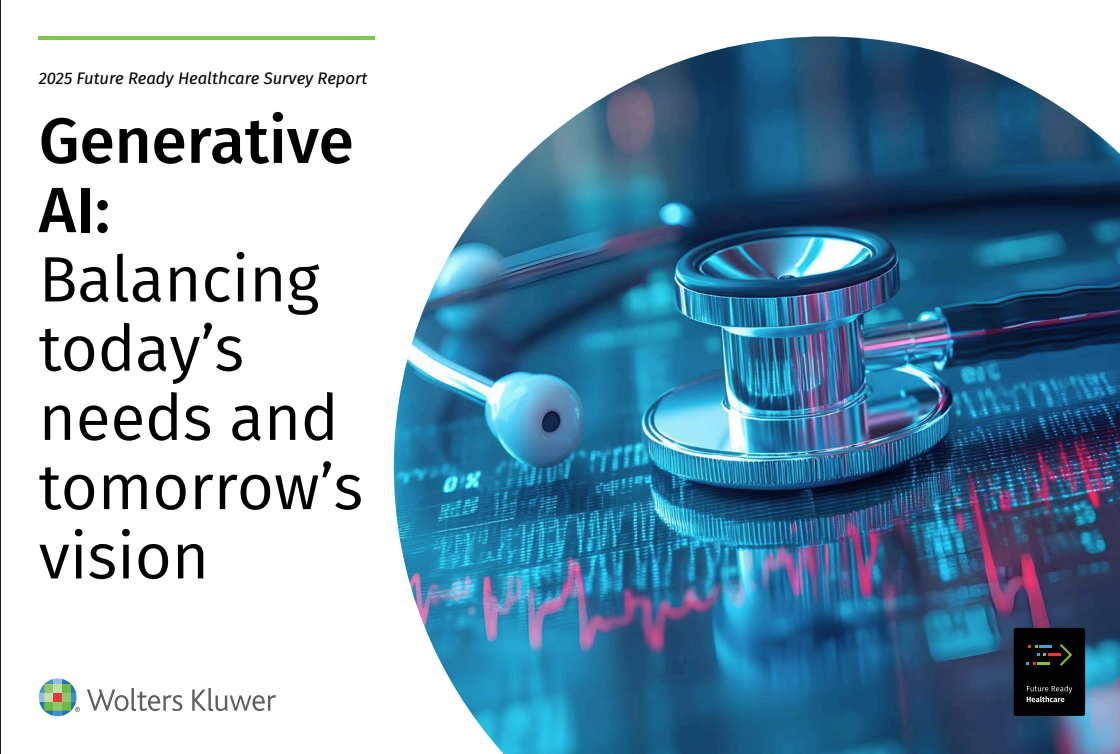
A new report released by Wolters Kluwer Health, Future Ready Healthcare 2025, paints a picture of a workforce that is “hacking” its own efficiency. While 80% of organizations cite workflow optimization as a top priority, there is a stark disconnect between the frontline’s readiness to innovate and the C-suite’s readiness to govern.
“Nurses are leading the way in embracing AI’s potential,” notes Julie Stegman, Vice President at Wolters Kluwer Health. But the data suggests they are often leading without a map.
The Burnout Engine: Why Nurses Are Turning to Bots
To understand the rapid adoption, one must understand the environment. The nursing profession is facing a “new equilibrium” marked by post-pandemic stress and chronic shortages.
In this context, GenAI is not a luxury; it is a lifeline. According to the survey, 46% of nurses report using GenAI tools at work. Their motivation is clear: 45% believe these tools can directly reduce burnout.
By offloading the “administrative overhead”—documentation, email, and data organization—nurses are attempting to reclaim time for patient care. The technology promises to automate the low-value tasks that contribute to the 12-hour shifts that feel like 15.
The Governance Gap: A “Wild West” of Implementation
While the workforce is bullish, the infrastructure is brittle. The most alarming finding in the report is the lack of institutional guardrails.
Despite nearly half the nursing workforce using these tools, only 18% of respondents overall are aware of published policies for authorized GenAI use within their organizations. Furthermore, only 20% say their organizations require formal training on the technology.
This creates a “Shadow AI” environment where well-intentioned clinicians may use unvetted tools to summarize patient notes or triage questions, potentially introducing privacy risks or “hallucinations” into the care record. As the report notes, “policies cannot be followed if they are not communicated”.
The “Dumbing Down” Fear
The enthusiasm for efficiency is tempered by a deep professional anxiety. Nurses are acutely aware that automation has a cost.
53% of nurses expressed concern that an overreliance on GenAI could lead to an “erosion of clinical decision-making skills”. The fear is that as algorithms take over the cognitive load of diagnosis and triage, the human “muscle memory” for these critical tasks will atrophy.
This paradox—wanting the AI to help, but fearing it will help too much—suggests that the next phase of implementation must focus on “human-in-the-loop” workflows.
The Future: AI as the New Onboarding
Despite the risks, the trajectory is set. The report highlights a massive opportunity in workforce development. 62% of nurses believe that integrating AI into onboarding helps new staff become productive faster.
In an industry facing a potential shortage of 1.6 million nurses by 2029, the ability to accelerate competency through AI-driven simulation and training is a strategic imperative.