









What You Should Know
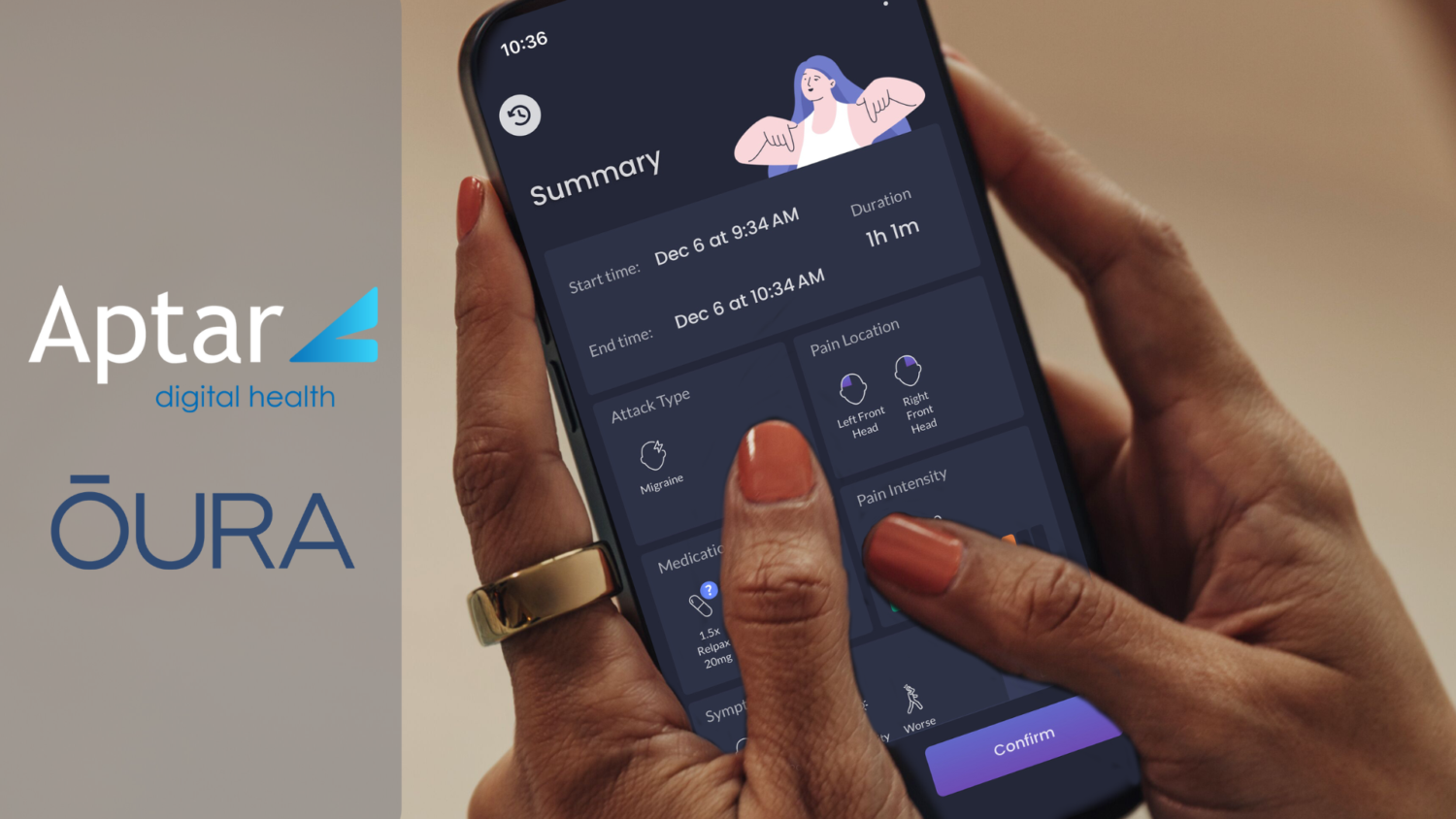
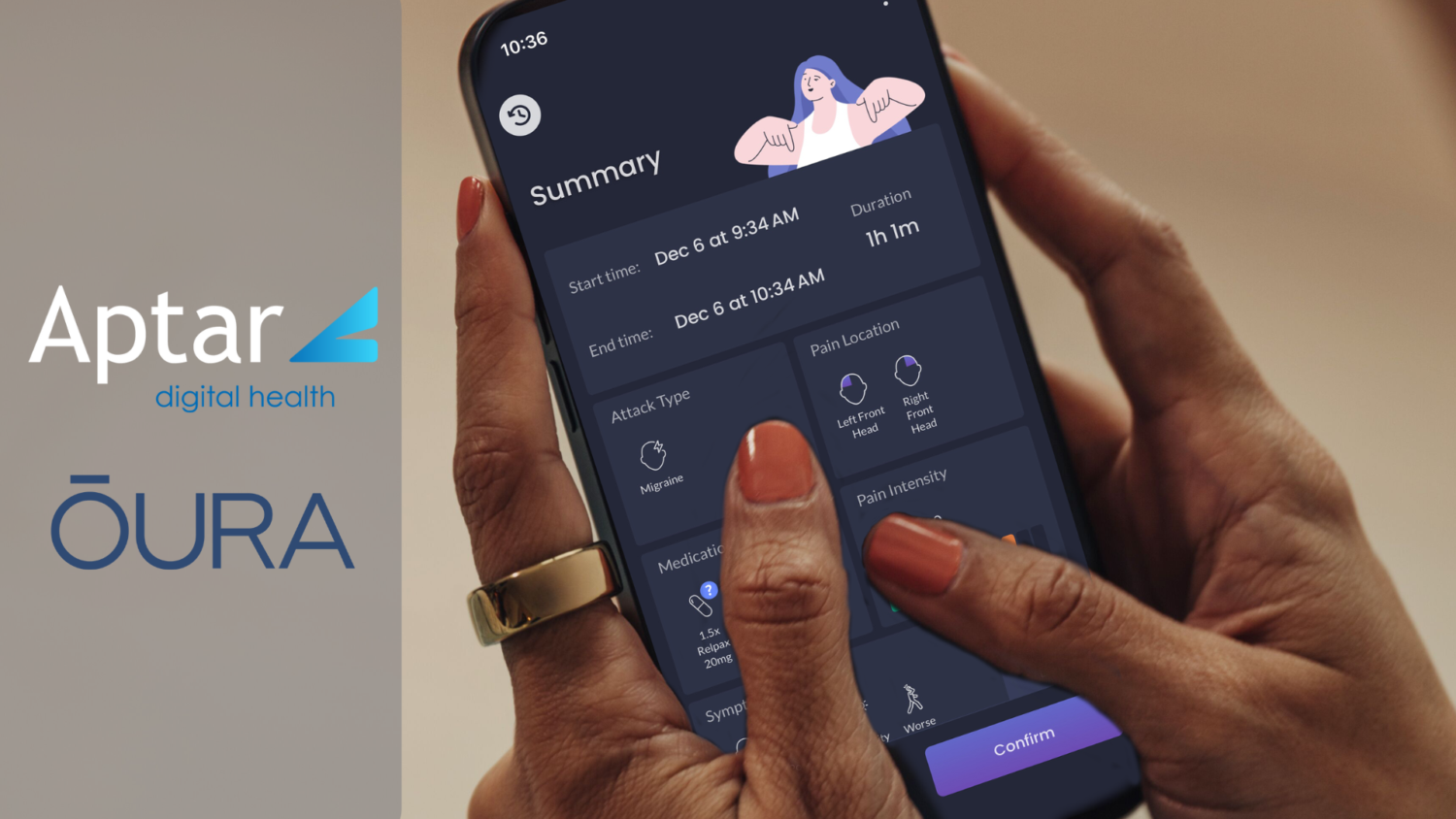
- The Deal: Aptar Digital Health is integrating data from the ŌURA Ring directly into Migraine Buddy, the world’s most popular migraine tracking app.
- The Tech: The integration combines subjective patient data (symptom logs) with objective biometric data (sleep, HRV, temperature) to help users identify invisible triggers.
- The Focus: The partnership places a heavy emphasis on women’s health, leveraging Oura’s cycle tracking insights to illuminate the often-overlooked link between hormonal fluctuations and migraine episodes.
The Invisible Trigger: How Oura and Migraine Buddy Are Automating the Search for “Why”
For the 12% of the global population plagued by migraines, management has historically been a manual labor. Doctors demand “migraine diaries”—tedious logs of what you ate, how you slept, and the weather outside—hoping to find a pattern in the noise.
Today, Aptar Digital Health and ŌURA announced a partnership designed to automate that detective work. By integrating the continuous biometric data from the Oura Ring directly into Migraine Buddy, the companies are attempting to close the gap between how a patient feels and what their body is physiologically doing. It marks a significant step in the evolution of wearables from fitness trackers to clinical diagnostic aids.
Objective Data Meets Subjective Pain
The core innovation here is the layering of datasets. Migraine Buddy has millions of users logging subjective symptoms: pain intensity, aura, and nausea. Oura Ring captures objective, passive signals: sleep quality, Heart Rate Variability (HRV), and temperature trends.
“This partnership is about empowering our users with seamless and fully automated tracking tools to more deeply understand what could impact their migraine episodes,” said Aurore Beaume, Chief Business Officer at Aptar Digital Health.
Previously, a patient might guess that “poor sleep” caused an attack. Now, the data can potentially correlate specific physiological markers—like a drop in HRV or a spike in body temperature—with the onset of an episode, turning a hunch into a verifiable pattern.
The “Hormonal Blind Spot”
Perhaps the most impactful aspect of this collaboration is its focus on women’s health. Migraines disproportionately affect women, often triggered by the hormonal fluctuations of the menstrual cycle—a variable that standard activity trackers often ignore.
ŌURA has aggressively pivoted toward women’s health features in recent years, and this partnership doubles down on that strategy. By feeding Oura’s cycle insights into Migraine Buddy, the system can help users anticipate “hormonal migraines” rather than just reacting to them.
“This is especially true for women, whose experiences—including migraines—are often shaped by hormonal shifts,” noted Dorothy Kilroy, Chief Commercial Officer at ŌURA. The goal is a future where care is “grounded in each person’s unique physiology,” rather than generic advice.