








Arizona Gov. Katie Hobbs has taken a major step to stabilize water use in the state’s rural desert, where a Saudi-owned company established a massive farming operation more than a decade ago.
During her State of the State Address earlier this month, Hobbs announced she was placing the Saudi alfalfa farm within an “active management area,” a technical designation that allows Arizona to slow and possibly even reverse the growth of groundwater use in a remote desert area of western Arizona.
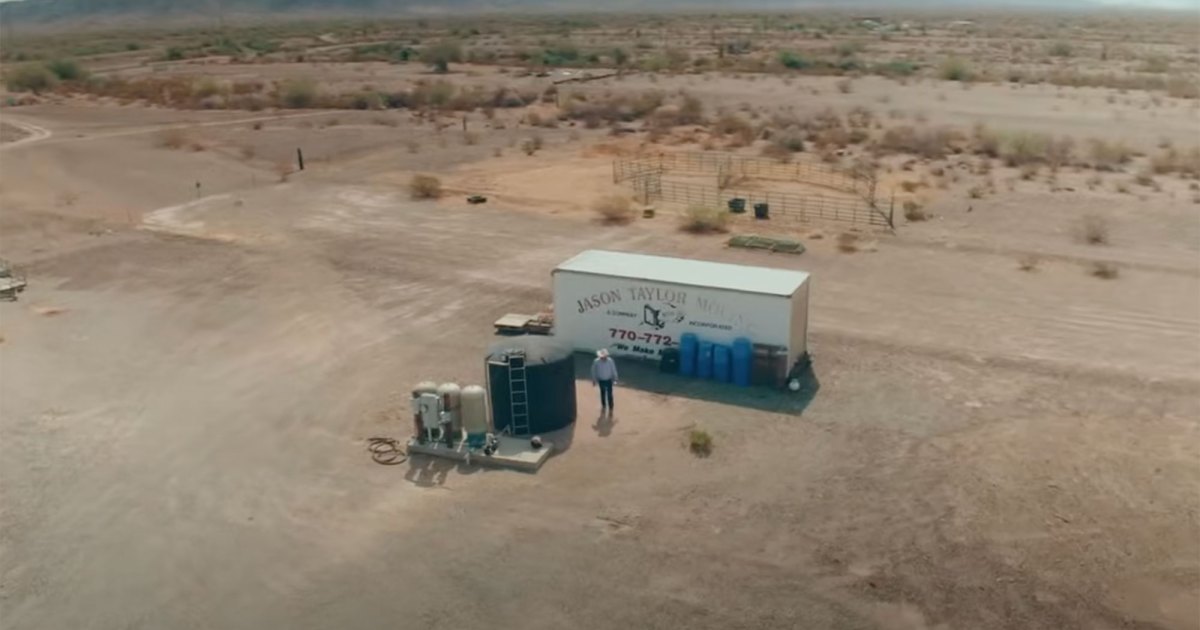
The megafarm near Vicksburg—owned by the Riyadh-based dairy company Almarai—began pumping massive amounts of groundwater in 2014 to grow hay for export to feed the Kingdom’s dairy cows.
The Center for Investigative Reporting first broke news about the desert farm in 2015, drawing attention to a growing trend: Companies connected to foreign governments—Almarai was founded and is currently chaired by a member of the Saudi Royal family—were effectively exporting massive amounts of American groundwater in the form of hay, a water-intensive crop, to help their own countries cope with severe shortages.
But one country’s solution would become another’s problem, as the wells of Arizonans living in La Paz County near the farm began running dry.
The situation attracted international news coverage as awareness grew about the increasing global competition for groundwater, and other Arizona megafarms exporting desert water in the guise of agricultural products. The water grab would become a key issue in the state’s 2022 gubernatorial election.
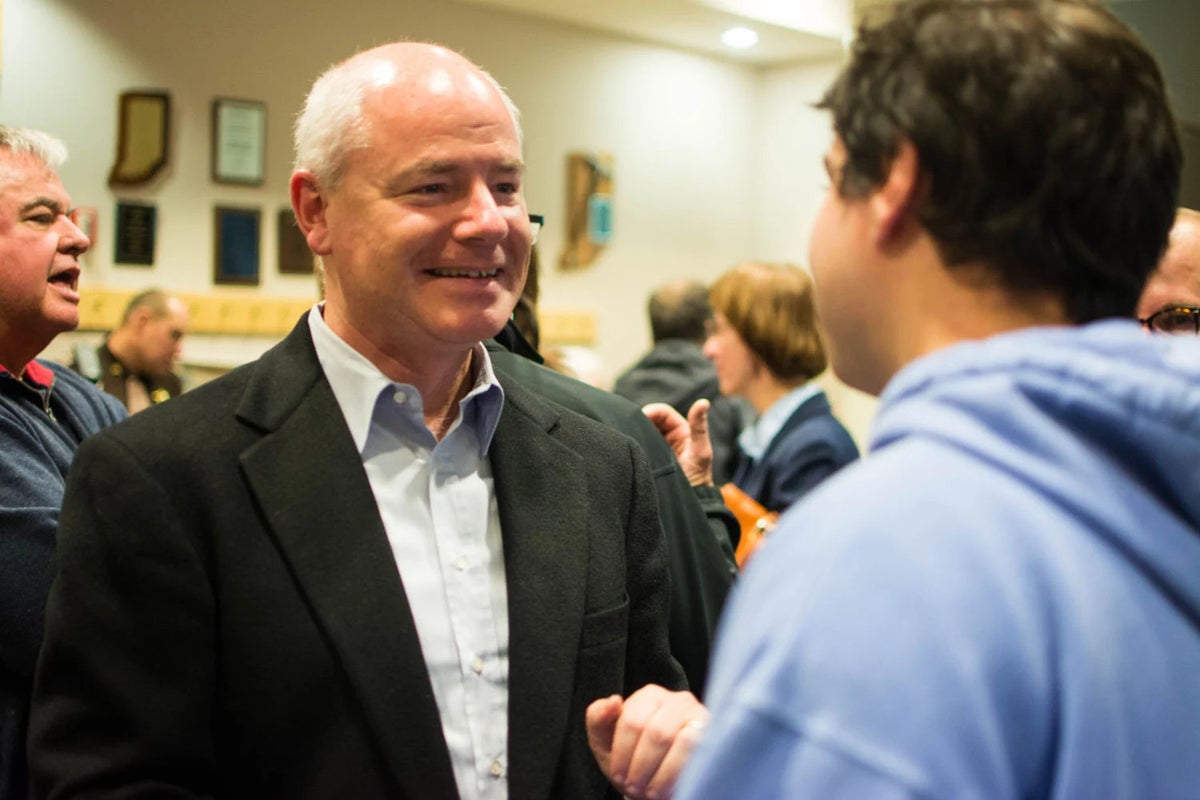
The Grab, an Emmy-winning documentary based on our reporting, followed rural La Paz County supervisor Holly Irwin as she fought to protect residents’ precious water. Watch the trailer:
After the film’s release, Hobbs canceled some of the Saudi farm’s contracts to grow hay on land owned by the state. Attorney General Kris Mayes then sued Fondomonte, a wholly owned subsidiary of Almarai, seeking compensation for the locals whose wells were kaput.
Hobbs’ designation of the Ranegras Plain Groundwater Basin, located in western Arizona, as an “active management area,” allows regulators to curtail additional water use, effectively limiting the withdrawals to the people and entities pumping it today.
In the short term, the designation by itself cannot reduce the amount of water being used by foreign megafarms, but it can at least stop new ones from coming in—and current ones from expanding their operations—in addition to encouraging farms to reduce their withdrawals. “This is huge,” said Irwin, the county supervisor. “It prevents any future companies from being able to purchase land and come here to extract water.”
The global scramble for freshwater supplies is only increasing, according to a UN report released this week, which noted the world has entered an “era of water bankruptcy.”