









What You Should Know
– Abridge, the leader in clinical conversational AI, and Availity, the nation’s largest health information network, have launched a first-of-its-kind collaboration to automate prior authorization in real-time.
– By embedding Availity’s FHIR-native Intelligent Utilization Management solution into Abridge’s Contextual Reasoning Engine, the partnership aims to provide clinicians with visibility into coverage requirements and enable payer determinations during the patient visit.
The “Point of Conversation” Shift: Solving Prior Authorization
For years, prior authorization has been a “post-visit” bottleneck, often requiring hours of manual chart review and “peer-to-peer” consults that delay patient care. Abridge and Availity are moving this administrative requirement to the point of conversation.
- Contextual Reasoning: Abridge’s engine parses the clinician-patient conversation to identify relevant clinical information that aligns with specific prior authorization requirements.
- FHIR-Native APIs: Availity’s infrastructure allows for the fast, secure connectivity of payer information, bringing clinical policy logic directly into the provider’s workflow.
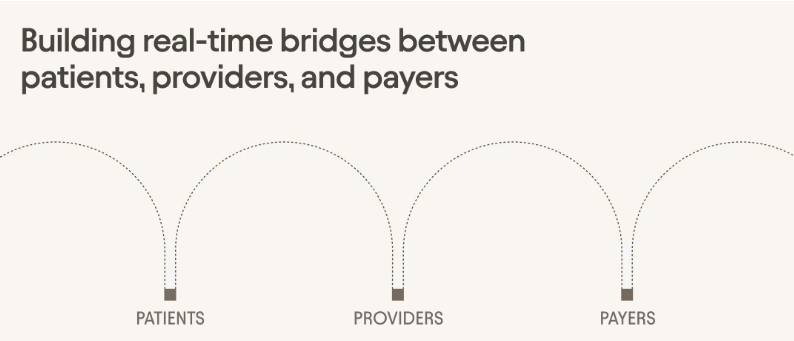
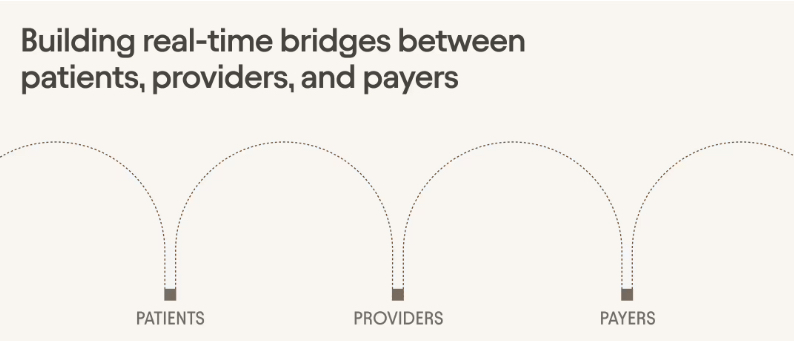
- Shared Context: Rather than creating parallel AI systems, the collaboration ensures that payers and providers are working from a shared understanding of the patient’s condition as it is discussed in real-time.
The Revenue Cycle Roadmap: Beyond the Approval
This partnership marks the beginning of a broader revenue cycle collaboration aimed at applying conversational intelligence across the entire patient journey.
Key Areas of Integration:
- Documentation Gap Visibility: Highlighting missing information during the visit to ensure high-quality, clinically accurate documentation that represents the patient’s current state.
- Authorization Integrity: Ensuring that requests are complete and accurate at the source, which reduces the number of downstream administrative cycles and denied claims.
- Reduced Administrative Burden: Automating submission workflows to help both payers and providers reduce the time- and resource-intensive needs of traditional utilization management.
“At Availity, we’ve invested in building AI-powered, FHIR-native APIs designed to bring clinical policy logic directly into provider workflows,” said Russ Thomas, CEO of Availity. “By embedding our technology at the point of conversation, we’re enabling faster, more transparent utilization management decisions rooted in clinical context. We’re excited to collaborate with Abridge and to demonstrate what’s possible when payer intelligence meets real-time provider workflows.”