






Part of my job requires me to read through accident reports, watch harrowing rescue videos, and, unfortunately, report on deaths in the outdoors. Admittedly, this sometimes turns into what I like to call tragedy fatigue. Another day, another unfortunate misadventure.
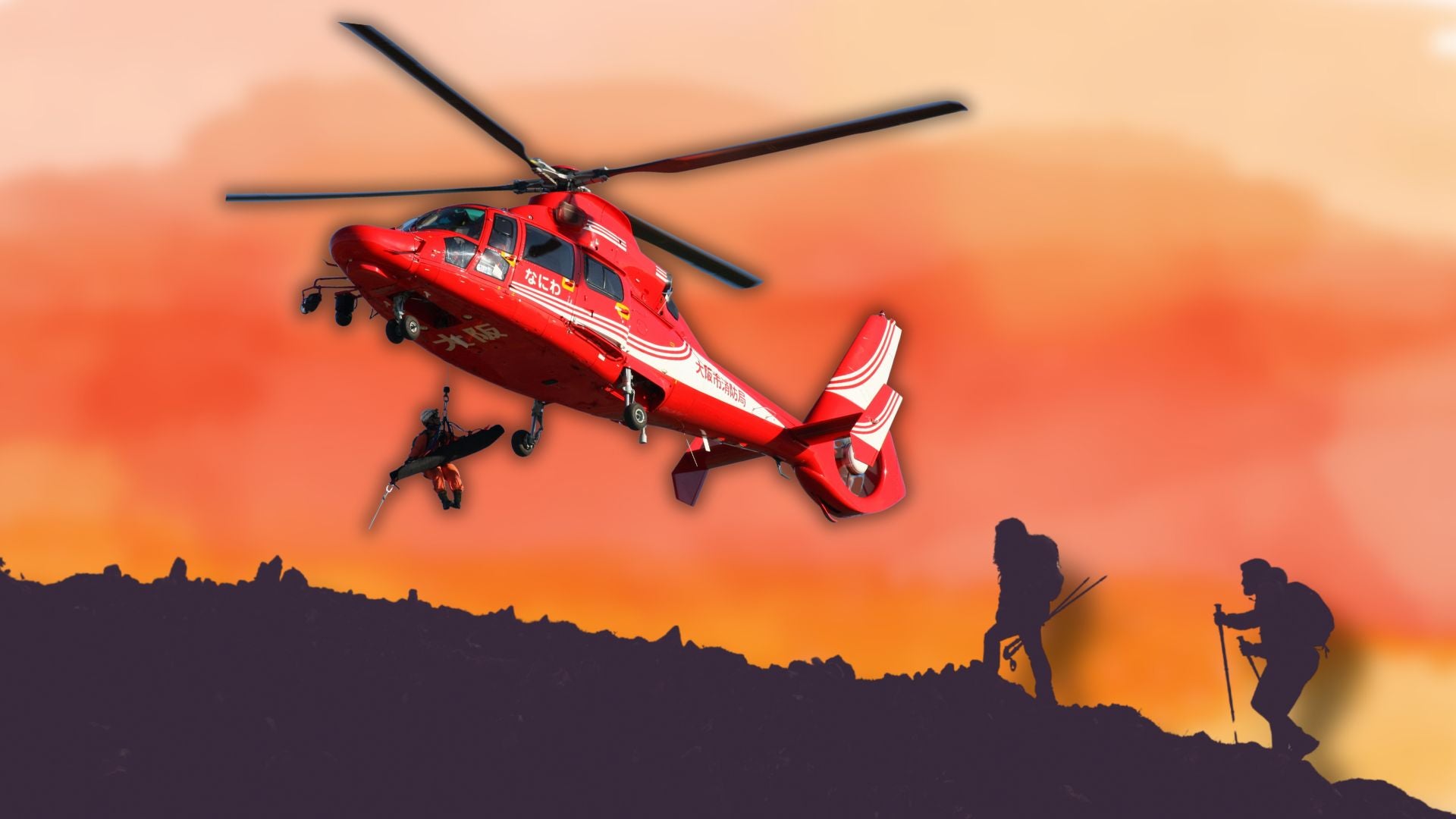
I came across a recent rescue video recorded in Point Reyes National Seashore on January 4. In it, two female hikers are seen stranded along an extremely steep rock formation at the top of a cliff towering over the Northern California beach. To assist in the rescue, the California Highway Patrol deployed a helicopter equipped with skids, specialized landing gear designed for rough terrain. The team first dropped a paramedic, who then moved the hikers to a safer location for loading into the helicopter. I spoke with the Marin County Fire Department, who told me that neither hiker was injured.
But after watching, I started asking myself questions about the video.
Were these two hikers properly equipped for this trek?
Is this an established trail, or did the women veer off-course?
What went wrong?
And that’s when it hit me. Watching rescue videos is essential to our relationship with the outdoors, even when they’re hard to watch. That’s because every clip I view, from an avalanche recovery to a cliffside rescue, provides an opportunity to learn about my connection with wild places. I wondered if other people felt the same way.
So, I asked Dan Whitten. Now mostly retired, Whitten spent decades coordinating search-and-rescue efforts—and assisted in numerous recoveries—in California. He’s also a hiker, climber, skier, and general outdoors enthusiast. Reading accident reports doesn’t necessarily mean we have a morbid tendency. Rather, it shows how much we care about our relationship with the outdoors and want to continue improving it.
It also gives us a chance to consider options that we might not have otherwise.
“For example, a mistake people make on the trail is that they go up a trail, and they don’t look behind themselves as they hike,” Whitten told me. “The trail does not look the same going down as it does going up, so you should be looking behind regularly, especially anytime terrain changes or there’s a trail merger.”
Watching rescue videos isn’t a chance to ridicule those involved, and we’re certainly not here to glorify an accident. Whenever a mistake happens in the wilderness, frontcountry, or backcountry, it gives us a chance to understand what went wrong and how we might prevent a similar situation in the future.
These videos also show us how proper preparedness goes a long way. When we set out into the outdoors, we need a solid game plan: Know your equipment and make sure it works. Check the terrain and weather conditions. Most importantly, know when to turn around.
When we require a rescue, we’re not only putting ourselves at risk but also the lives of the rescuers involved. So, get out there and enjoy the outdoors. Also, remain mindful and conscientious of how our actions affect those beyond ourselves.
And let’s check our egos at the trailhead.
The post I’m Obsessed with Watching Rescue Videos. Here’s Why. appeared first on Outside Online.