






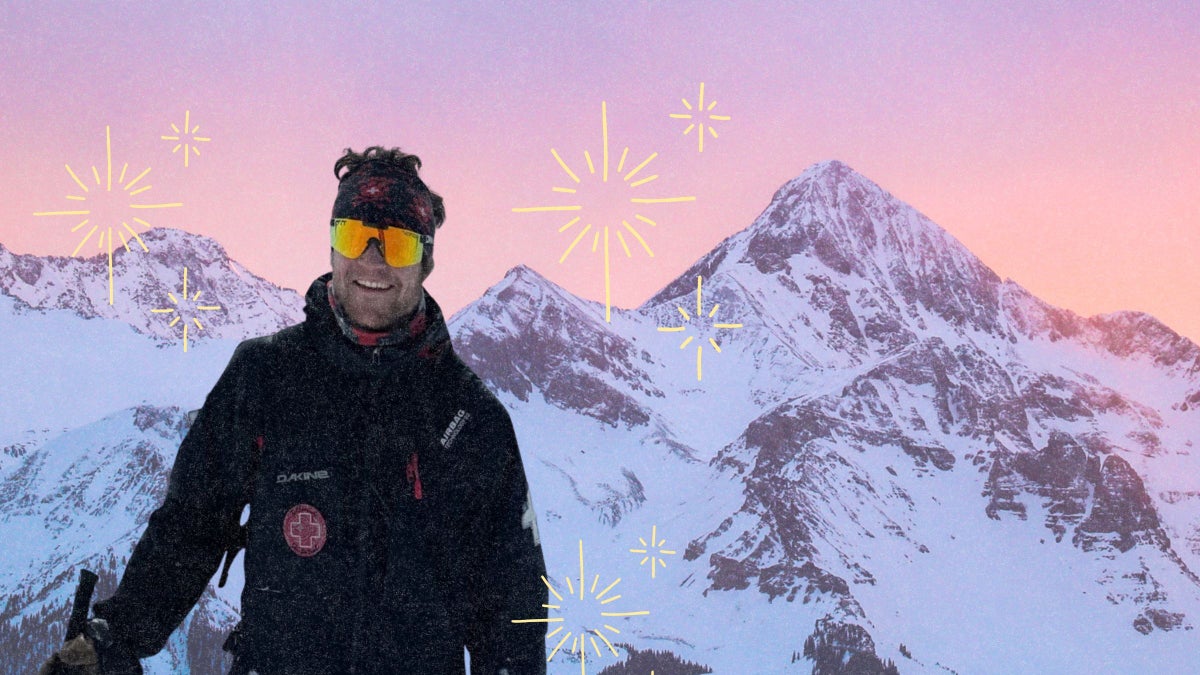
Telluride Ski Resort, located in the jagged San Juan mountains of Western Colorado, has some of the state’s most daunting terrain. The resort’s ski patrollers must spend years becoming familiar with these steep runs and jagged chutes.
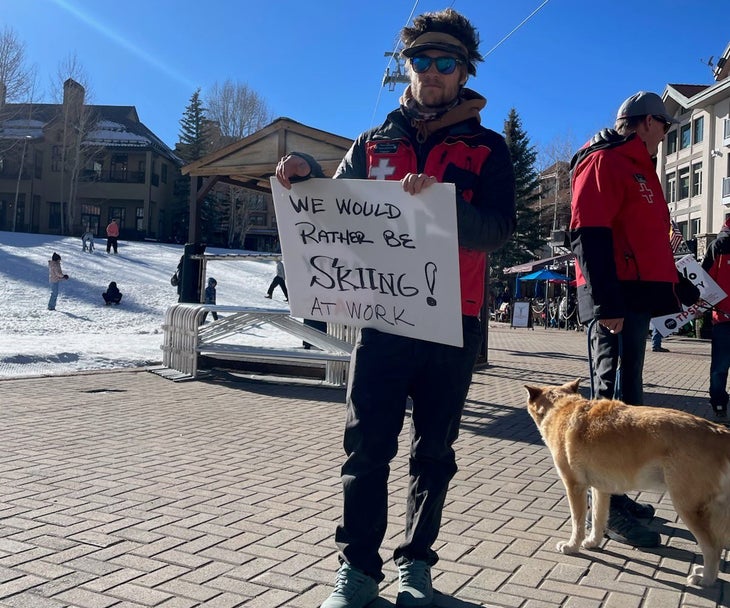
On December 27, the patrollers went on strike after negotiations with the mountain’s ownership—which had begun in June—stalled. The Patrol Union had initially asked for a 30 percent pay raise, as well as stipends to help patrollers buy gear and insurance. By the time the strike began, patrol had trimmed its ask significantly. The strike prompted Telluride’s owner, Chuck Horning, to close the resort during the busy Christmas break.
On January 9, the strike ended after the patrol union voted to accept a compromised contract. According to CBS News, patrol didn’t get everything it wanted, namely a wage structure that would help with the retention of rookie patrollers.
We spoke with a member of the ski patrol about why the group took to the picket lines.
The Gig at a Glance
Name: Roan Duffy
Occupation: Telluride Ski Patroller
Age: 26
Starting Salary: $18.50 an hour
Current Salary: $28.50 an hour
The Basics of the Job
The first part of the job is medical response. People get hurt on the mountain, whether it’s a heart attack at 10,000 feet or a femur fracture on complicated terrain. We need to extract them safely.
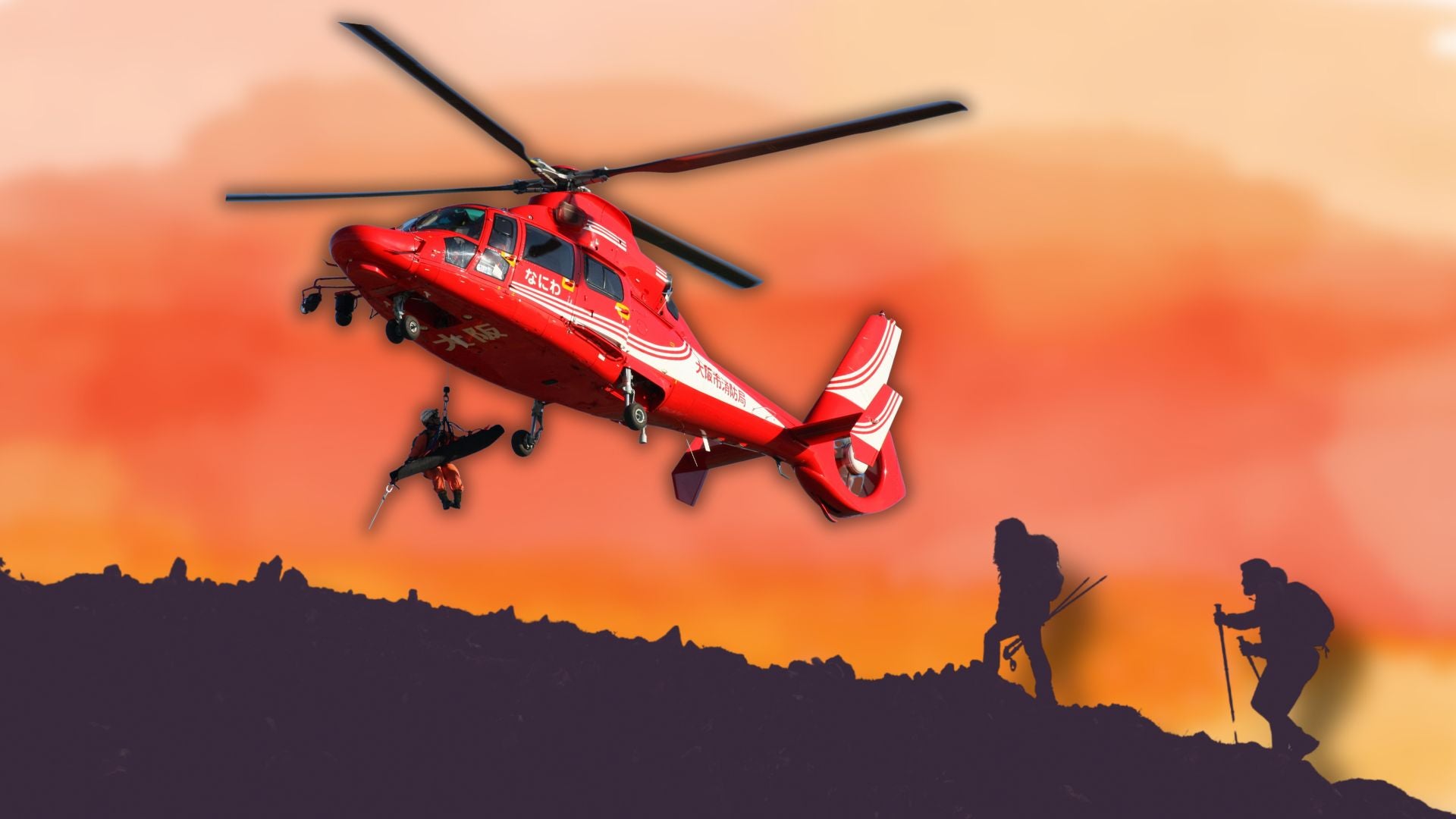
The other element is keeping the mountain safe. On the extreme end, this could entail being dropped off by a helicopter with explosives for avalanche mitigation. On the less extreme end, it’s setting up rope lines to inform the public on where and where not to ski.
How Did You Get the Job?
My tryout was three days. You travel to a place you can’t afford, for a job you might not get.
As a trainee, you’re not allowed off the lower third of the mountain until you demonstrate proficiency in responding to multiple calls and different scenarios. You also learn to ski with the toboggan, where you’ll have someone’s life in your hands.
Once you’re on the upper mountain, you learn more new skills and terrain. You have to know every location and be able to radio in any incident instantly. Then you can start your explosives training under the supervision of experienced patrollers.
The next step is joining a special ski patrol team like high-angle rescue or chairlift evacuations. You’re limited to being part of three teams, and I picked high-angle and lift evacuation. When you finally become an avalanche blaster, and you’re dropped off on Palmyra Peak looking down on this giant mountain on a hazard day, every shot you’re throwing triggering an avalanche, you grasp how serious the job is.
How Long Does It Take to Become a Good Patroller?
Three to five years. You can’t legally carry an explosive “blasters” card and work with explosives until three seasons minimum. And you’re not good at it until you’re through your rookie season of being a blaster. You’re not even close to an expert ski patroller until you’re approaching a decade, at least at Telluride.
How Do You Live and Work in Telluride?
I maintain two or three jobs all year long. I work as a mountain guide in addition to patrolling. You scrounge for good housing and hold onto it for dear life.
My girlfriend and I rent a room in a two-bedroom house, which we split with another couple. The home is owned by another patroller. The house is located in Rico, Colorado, which is a 40-to 45-minute drive one-way on a good day, more than an hour on a bad morning. I drive over a big mountain pass every day, sometimes in a whiteout. I can’t take public transportation, because I have to be on the mountain at 7 A.M. most days. I have to be there at 5 A.M. if we’re doing avalanche mitigation.
When I started, I was living in Telluride and getting food from the food pantry charity, which occasionally had things like chicken or pork. I could always afford vegetables, rice, and beans, but it was nice to splurge on meat or get it from the pantry. In Rico, I drive almost an hour to get groceries. You learn to plan ahead and ration your food. If you forget an item, you pay a lot more in town.
How Do Other Patrollers Afford to Live in Telluride?
Some pay over $1,700 for studios in town, and many leave for the summer to go work as wildland firefighters in the summer, or to save up by living elsewhere. During my rookie season, I was told: “You have to find a job that pays for this one.”
Older patrollers, who bought their houses in the early 2000s, or even the seventies, eighties, or nineties, have an easier time. To buy in town, you’re looking at $500,000 and a 30-year mortgage. Even those houses, which some other patrollers are looking at buying, are deed-restricted, so they’ll never make a profit if they sell; they’ll be right back where they started.
How Do the Wages Impact Employee Turnover?
Telluride has a lot of older patrollers with 20-to 30 years of experience. But eventually, they can’t move like they used to, and we need a combination of strength and knowledge to create a good unit.
But people my age, the 25-to 30-year-olds, don’t know if we can afford to stay in the job. If we all leave, the younger patrollers who replace us won’t gain that same institutional knowledge. Where does that leave Telluride?
It’s going to go from sketchy to scary, not today or tomorrow, but in 10-15 years. That’s when the 20-to 30-year olds can’t make it here, and the older ones who were able to buy a house retire.
How Long Can You Keep Doing the Job?
If I could make it work, I’d stay until I’m an old man. Under the current wage structure, maybe a few more years—less than five.
You Went on Strike for a Pay Raise. How Would That Have Changed Your Situation?
We first asked for a raise that would have dramatically changed my situation, but that got shot down. Under one of the union’s last requests, I would have earned $32 an hour.
That would have made me want to stay. It would have given me hope for the future, that I’d be able to make being a ski patroller work, and I could buy better groceries and afford my rent and save some money.
What Is the Best Part of the Job?
Riding in the helicopter, skiing powder, and throwing bombs is amazing. Helping people, like the person who just broke both legs or is bleeding out, is the other best part. Last year, a guy had a heart attack on the mountain, and we got a pulse back and got him to the helicopter. It’s an incredible feeling to help save a life.
And the Worst Part?
When kids get hurt. You never know you’re a softie until a kid is fighting for it right in front of you.
The post I’m a Telluride Ski Patroller. I Can Barely Afford My Job. appeared first on Outside Online.