








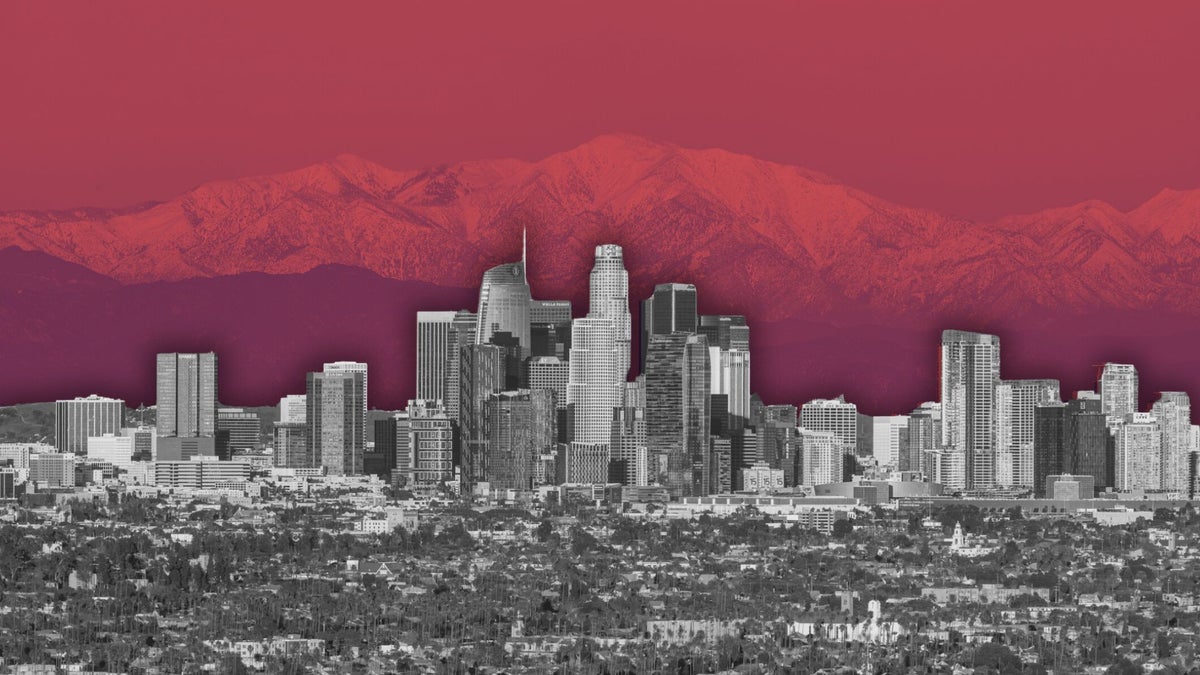
Its dramatic peak visible from nearly every pocket of California’s Orange County, Mount Baldy is considered by many to be one of the most dangerous mountains in the U.S. In the first week of 2026 alone, one young hiker fell to his death while attempting a summit along the popular Devil’s Backbone Trail, and another two were found dead.
Despite its deathly reputation, the Devil’s Backbone is oftentimes neither a particularly precarious mountain nor an especially treacherous trail. Why, then, is the 10,000-foot peak one of the nation’s most deadly?
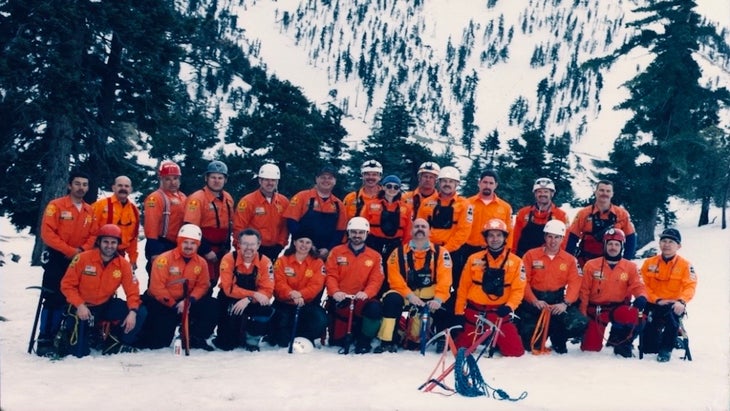
Dan Whitten started hiking, climbing, and skiing Mount Baldy in 1988. His love of the mountain led him to volunteer for the area’s rescue team before joining the San Bernardino County Sheriff’s Department, where he served as a full-time deputy sheriff overseeing rescue operations on the mountain. For decades, he coordinated search-and-rescue efforts and assisted in numerous recoveries.
“Mount Baldy will kill you as dead as any fancy mountain in the world,” Whitten told Outside. “Unfortunately, I know that because I’ve had to make the death notifications to families.”
Over the course of his 30 years working on Mount Baldy, Whitten says he saw roughly 36 search-and-rescue missions each year, or about three every month. Of those, he estimates up to three people die annually.
That’s why three fatalities in one week seem particularly odd. What is it about Mount Baldy that kills so many people?
Mount Baldy’s Unassuming Appearance
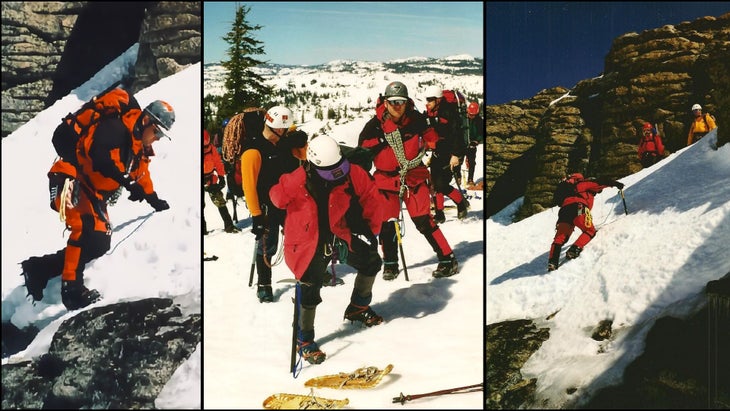
Devils Backbone Trail, one of the most common routes to the mountain’s peak, is a 14-mile loop, with several entrance points, allowing you to choose your length. Most people drive up a Forest Service Road for quicker access, putting them at the beginning of a two-mile out-and-back trail with roughly 2,500 feet of elevation gain. No matter where a person is hiking, weather and terrain can turn quickly.
“Mount Baldy appears approachable but can quickly become unforgiving. The terrain is steep and exposed, weather can change rapidly, and winter conditions introduce ice, wind, and whiteouts that dramatically raise consequences,” outdoor expert Jason Marsteiner told Outside.
Marsteiner runs a wilderness training and education program in Colorado and has been teaching people hands-on survival skills for about 15 years. In his spare time, he also regularly analyzes outdoor accidents because, as he says, terrain, weather, and human decision-making follow patterns regardless of location.
“In many reported cases, slips have resulted in falls of hundreds of feet. Once traction is lost in these areas, there is often no realistic opportunity to recover. Winter storms can also create a rain-freeze-snow sequence that hides ice beneath fresh snow, turning what looks like a hike into a mountaineering problem,” he said.
Yes, the weather can quickly shift. In 2023, a hiker named Crystal Gonzalez-Landas, known amongst her friends as the “hiking queen,” found herself in foggy conditions. She slid off the edge of the trail and died after falling hundreds of feet. An experienced mountaineer, Michelle Yu, also fell to her death in 2011 after poor weather rolled into the area. Every year, the fatality list grows longer.
In rough weather, one misstep can result in death.
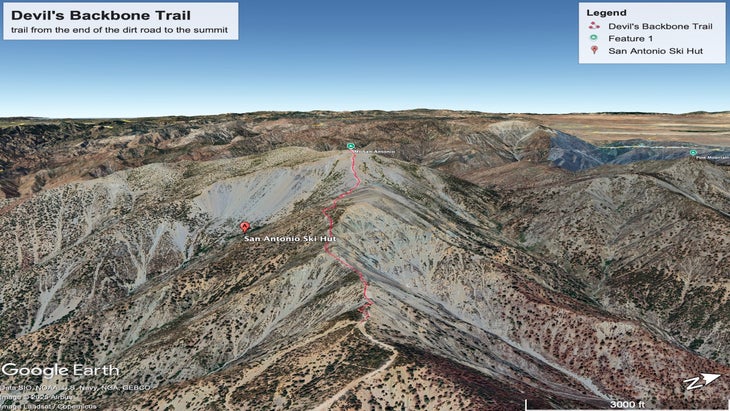
Whitten and I digitally walked through satellite imagery of Devil’s Backbone together over a video call. Remotely, we trekked across the narrow two-mile ridgeline, and yes, it’s definitely exposed. Above treeline, the terrain is steep, with loose rock, big drops, and, in winter, may have snowfields and icy chutes. One section in particular, Mount Hardwood, has a long edge of exposure that narrowly cuts along the top of a screefield. He showed me short stretches along the trail of exposed walkway with slopes sometimes reaching 50 degrees.
Even so, Whitten says most deaths are easily preventable.
Overconfidence, Complacency, and Ego Are Silent Killers
Weather and terrain aren’t the only things that kill people on Mount Baldy. Rather, people so often die because the mountain is a beacon in an otherwise urban metropolis. And, as Whitten frankly put it, most visitors are either underprepared or overly experienced.
“I have seen people go up that trail in flip-flops with a bottle of water. Either people don’t understand what the risks are because they’re inexperienced and unprepared, or they allow complacency, overconfidence, or ego to get in the way,” said Whitten. “Baldy also becomes a lot of experienced mountaineers’ training ground. Unfortunately, we’ve recovered the bodies of people who have traveled the world and climbed amazing places, but just made one simple mistake on Mount Baldy.”
In Marsteiner’s professional opinion, most Mount Baldy incidents aren’t necessarily recklessness, but come down in large part to decision-making. Planning to hike and being prepared for winter terrain are not the same thing, he says.
“What sets Mount Baldy apart from many popular peaks is not elevation or technical difficulty, but the frequency of serious incidents relative to its accessibility. Few mountains so close to a major metropolitan area generate this level of rescues and fatalities year after year,” said Marsteiner.
Staying alive means being prepared, making sound judgments, and knowing when to practice restraint. Prepare yourself by understanding the weather, terrain, and your equipment limitations. Use good judgment by recognizing conditions that exceed your experience or equipment. Practice restraint by knowing when to turn around, even after investing significant time and effort.
“People see trailheads, summit signs, and social media photos, but they do not always see how quickly conditions change or how unforgiving the terrain becomes once ice and wind are involved. That draws a wide range of experience levels,” said Marsteiner. “Less experienced hikers do attempt objectives beyond their ability, but fatalities are not limited to beginners. Public reporting shows victims across a wide age range, including fit and experienced individuals. Fitness and general outdoor experience are not the same as judgment in winter terrain.”
Avoid Becoming a Statistic
How can you avoid a tragedy? Really, it’s quite simple. Marsteiner says you need to be honest with yourself about what you know and, perhaps more importantly, what you don’t. “A major problem right now is that many people confuse exposure with competence. What they see on television or social media is heavily edited,” said Marsteiner. “They see smiles, success, and highlight reels. They do not see the failed attempts, the close calls, the aborted trips, or the mistakes that never make it on camera.”
Set aside your ego, prioritize safety over goals, understand terrain and weather, and befriend your equipment. “Survival happens before the fall. What comes after is consequence,” said Marsteiner.
Patterns matter, and talking about these incidents can help prevent one in the future. “These are ordinary people making understandable mistakes in an environment that does not forgive them,” added Marsteiner. “If we want fewer names added to the list, we have to be willing to talk about why the list exists.”
The post In Just One Week, Three Young People Died on Mount Baldy. Why Is the Peak So Deadly? appeared first on Outside Online.