







I did not plan to become the person who casually says, “I took a cruise to Alaska last month.” It feels a bit like confessing that you prefer the elevator to the stairs. Cruises have a reputation for many in the outdoors world of being too polished, too slow, and too fancy to be considered real adventure. After all, a week-long cruise can range anywhere from $700 to $4,000 and beyond—far too steep for a culture that glorifies living out of the back of a truck or sleeping in a tent.
Cruises also carry a real environmental cost, even when dressed up as progress. Large ships burn vast amounts of fossil fuel to move floating cities through sensitive waters and can burn as much as 80,645 gallons of marine fuel daily. They produce high carbon emissions, wastewater discharge, and underwater noise that disrupts marine life, a reality I hold alongside the fact that, for travellers like me, this same model can also be what makes remote landscapes physically and practically accessible at all.
I went on an 11-day Inside Passage cruise to Alaska with Princess Cruises in August, departing from San Francisco and stopping at Skagway, Glacier Bay, Ketchikan, Juneau, and Prince Rupert, and something unexpected happened. It gave me access to landscapes I had only imagined, and it did so in a way that matched how I navigate the world. I am blind, so my connection to a place rarely comes from what it looks like. For me, adventure is built from sound and physical sensation. I care about the temperature of the air against my skin, the tension in a rope before I step off a platform, the sound of the water slapping against the ship when a whale rises beside it. And on a cruise, those details are everywhere.
A ship took me somewhere remote, dramatic, and alive with wildlife. It let me experience the landscape in ways that made sense for how I move through the world.
Most people board a ship and immediately look around. I listened first. The engines had a low, steady rumble that I could feel through the floorboards. The sea had its own rhythm, shifting underfoot like a living thing. Standing on deck in the early morning, the air hit me with a kind of sharpness that felt untouched. I do not have to see a fjord to know that I am surrounded by one; the cold tells you plainly.
The ship gave me an odd kind of freedom. Instead of spending energy navigating unfamiliar streets or trying to track conversations in a crowded terminal, I could pay attention to the place itself. Every day we moved deeper into the Inside Passage, and every day the soundscape changed. Open water became narrow channels. Wind patterns softened or snapped depending on the shape of the land around us. These are cues I rely on, and Alaska delivered them constantly.
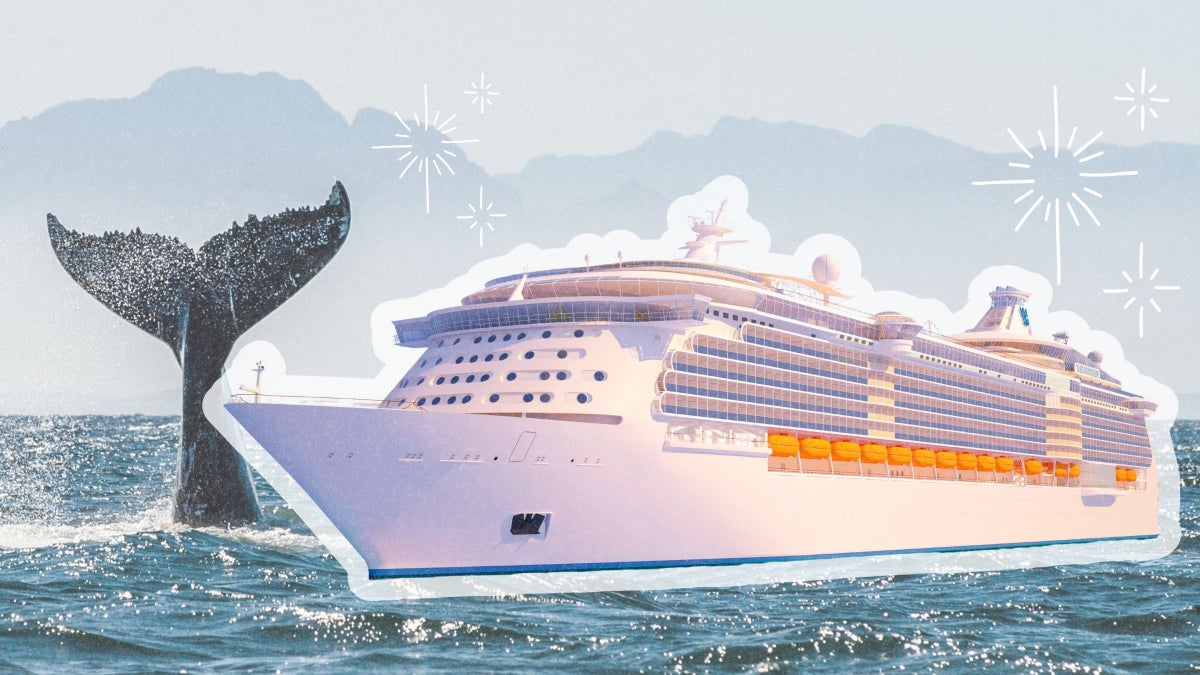
Despite the stereotype that cruises are passive, mine pushed me straight into the thick of things. I zipped through spruce forests in Skagway, the world dropping away as the harness lifted me into open air. In Ketchikan, an axe landed in a wooden target with a satisfying crack I felt more than heard. On a catamaran in Prince Rupert, humpback whales surfaced close enough that their exhale rolled through the water and straight into my chest.
It was not the visual spectacle that stayed with me. It was the atmosphere created by a boat full of people collectively holding their breath. The hush before a whale breaks the surface. The sudden ripple of excitement. The way cold air tightens against your cheeks right before something extraordinary happens.
None of that requires sight.
This is where the cruise surprised me most. It slowed the world just enough for the sensory details to come through without being drowned out by logistics. I still care about the same things any outdoors person does, including the environmental impact. The industry has huge work ahead of it, and pretending otherwise helps no one. But ignoring cruises entirely also means missing a huge piece of how people access wild places.
For me, the value was simple. A ship took me somewhere remote, dramatic, and alive with wildlife. It let me experience the landscape in ways that made sense for how I move through the world. And it gave me room to pay attention to the things I usually miss when traveling demands constant vigilance. Cruises are more complex, more sensory, and far more interesting than their reputation suggests. I went expecting a floating hotel. I came back with a new relationship to the sea.
The post In Defense of Cruises appeared first on Outside Online.