









What You Should Know
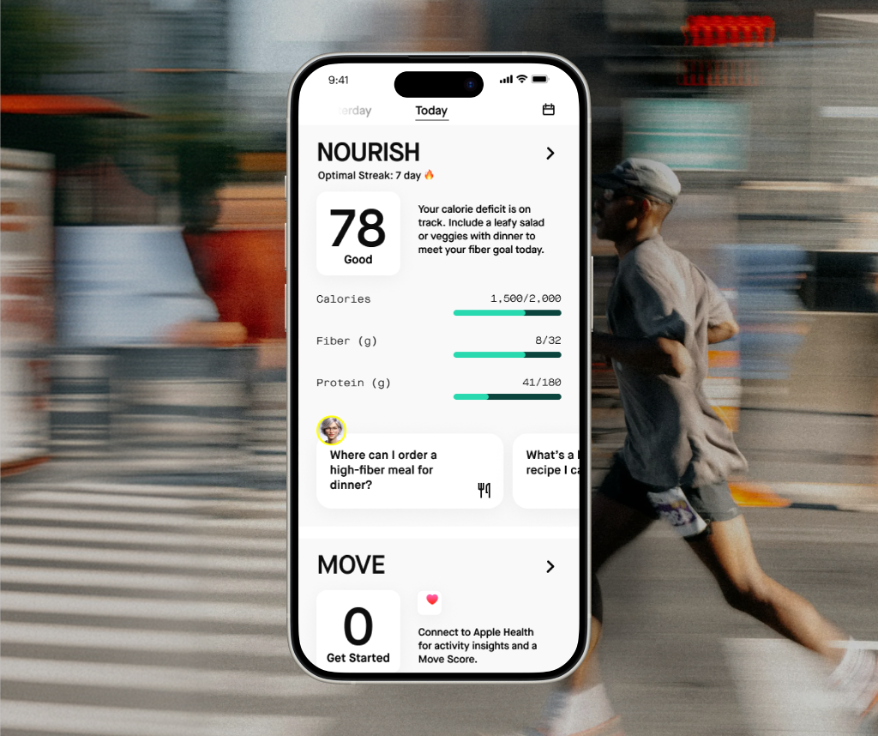
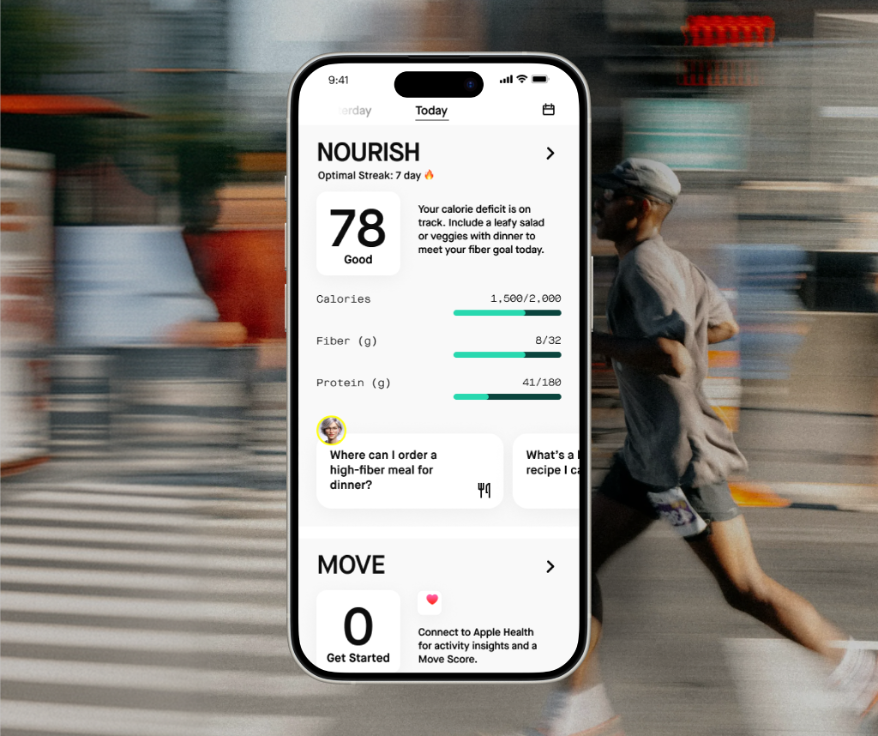
– January AI has transitioned its science-validated “virtual glucose monitor” technology into a suite of Enterprise APIs, enabling B2B partners to embed AI-powered food recognition and glucose prediction into their own platforms.
– This move allows health systems and longevity companies to turn underutilized lifestyle signals—like photos and wearable data—into structured, metabolic insights at scale.
The “Context Gap”: Why Lifestyle Data Often Fails
Modifiable lifestyle behaviors drive an estimated 80–90% of health outcomes, yet this data typically lives outside the clinical record. January AI’s new enterprise solution bridges this gap by transforming everyday inputs into “decision-ready” healthcare applications:
- AI Vision & Food Scanning: A market-leading scanner that recognizes ingredients and provides detailed macronutrient analysis across 54 million verified food items.
- Virtual Glucose Prediction: Leveraging generative AI to forecast glycemic responses without the need for invasive sensors or expensive CGMs.
- Predictive Food Swaps: Recommends personalized alternatives to prevent glucose spikes based on a user’s individual health state and metabolic profile.
While January AI boasts “industry-best” food scanning accuracy, skepticism is warranted when dealing with complex, multi-ingredient restaurant meals. However, their commitment to peer-reviewed clinical validation for their glucose curves separates them from the “marketing fluff” typical of the digital nutrition space.
Market Forecast: 2026 and Beyond
With partners ranging from longevity companies to national institutional health systems, January AI is positioning itself as the metabolic backbone of the “Accountability Phase” of AI. For C-suite leaders, the opportunity lies in integrating these APIs to provide a “360-degree” view of patient health that extends beyond the clinic walls.