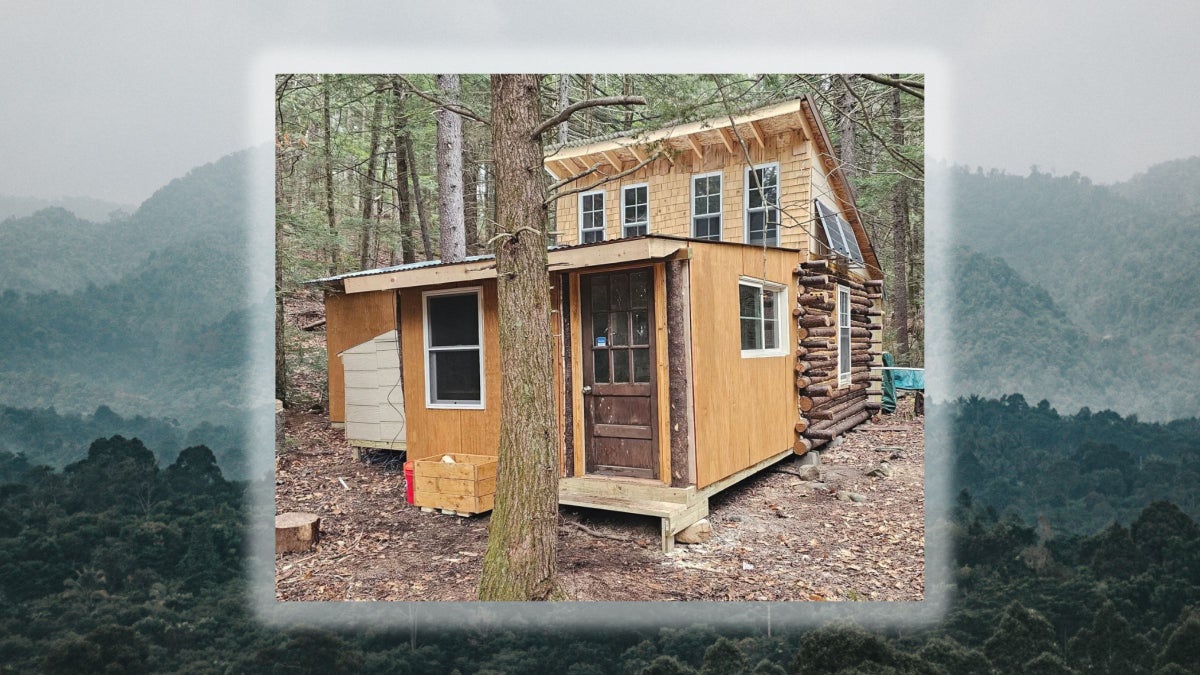











The farm-to-glass movement is elevating estate-grown, artisan whiskey to a category of its own. From Nevada desert farms to Kentucky family land, distillers are betting that what grows in their backyard tastes better than what comes off a commodity truck. They’re farmers first, distillers second—and the liquid they’re producing is unlike anything Big Bourbon has imagined.
Here are five bottles where the taste of place has been distilled into proof.
Far North Spirits Hazlet Single Varietal Rye Whiskey
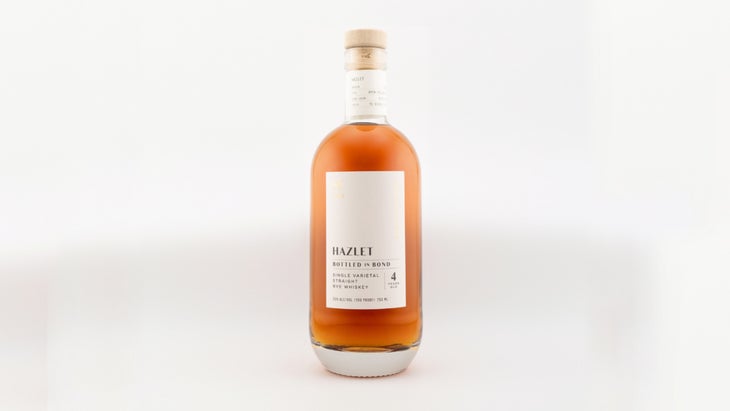
Far North Spirits
Hallock, Minnesota
In the windswept fields of northern Minnesota, where winter lasts six months and the growing season is short but intense, Far North Spirits grows Hazlet rye—a single variety that thrives in harsh conditions.
This isn’t just any rye; it’s a specific cultivar chosen for its ability to withstand brutal weather and deliver complex flavors that mass-market grains cannot match. The resulting artisan whiskey is crisp and spicy with notes of pepper, citrus zest, and a distinctive herbal quality that speaks to its northern terroir. The short growing season concentrates flavors, creating a rye that’s both aggressive and nuanced and tastes like survival itself.
Hillrock Estate Single Malt Whiskey
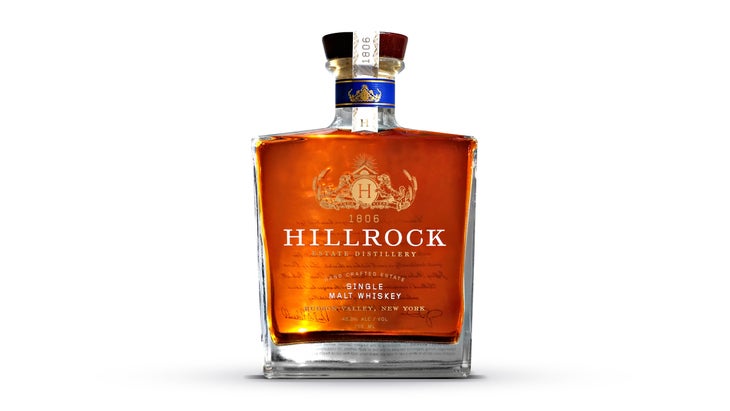
Hillrock Estate Distillery
Ancram, New York
One of the first farm distilleries of the modern craft whiskey movement, Hillrock Estate opened in 2011 under the guidance of legendary master distiller Dave Pickerell. Nestled in New York’s Hudson Valley and helmed by a husband-and-wife duo, Hillrock grows its grain on 100 acres of estate farmland, then floor-malts, distills, and bottles everything on-site.
Their single malt showcases the influence of New York terroir: it’s bright and complex with notes of honey, dried fruit, and a distinctive mineral finish that reflects the limestone-rich soil. The estate-grown barley provides depth and character that set it apart from more widely produced malts.
Frey Ranch Farm Strength Uncut Bourbon
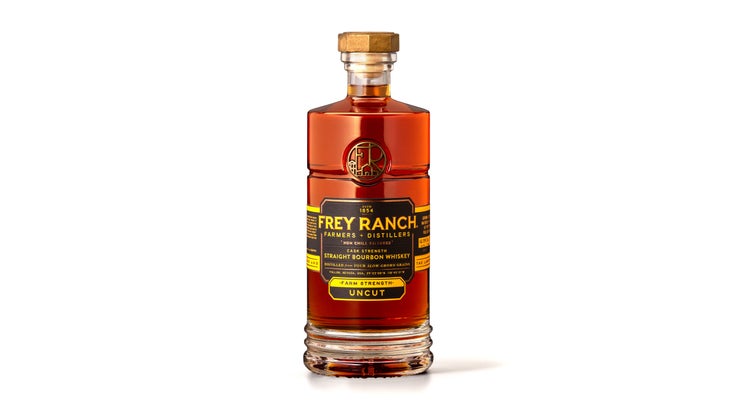
Frey Ranch
Fallon, Nevada
Born from more than 165 years of Nevada farming tradition, Frey Ranch is one of the few distilleries in the world to sustainably grow all of their whiskey grains on site. In the high desert of Nevada, where irrigation ditches carved by 19th-century settlers still water the fields, the Frey family has perfected the art of growing grain in unlikely places.
Their Farm Strength bourbon comes uncut and unfiltered at barrel proof, showcasing the intensity of Nevada’s extreme climate. The result is a powerful, complex whiskey with honey and almond notes and a minerality borne from the region’s alkaline earth. This desert bourbon is concentrated, uncompromising, and unlike anything coming out of Kentucky.
Jeptha Creed Straight Four Grain Bourbon

Jeptha Creed Distillery
Shelbyville, Kentucky
Four generations of the Nethery family have worked this Kentucky dirt (the family motto is “don’t forget where you came from”), and you can taste that stubborn streak in Jeptha Creed’s Straight Four Grain Bourbon.
Their secret weapon? Bloody Butcher corn—an heirloom variety so red and rowdy it practically named itself. Add malted rye, wheat, and barley, and you’ve got a bourbon that’s earthy and honest, with a nose of sweet cream and hayfields after rain. Vanilla, nutmeg, and toasted pecans roll through the palate before a dry, minty finish reminds you this is a sip-slow artisan whiskey.
Jimmy Red Straight Bourbon Whiskey
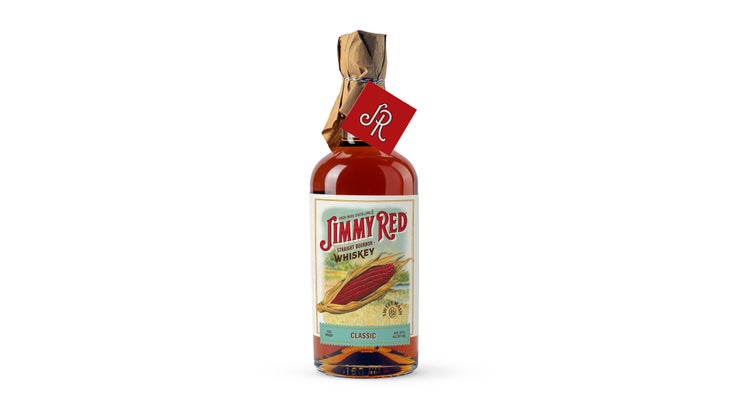
High Wire Distilling
Charleston, South Carolina
Jimmy Red corn was a legendary moonshiner’s grain that had dwindled down to a mere two cobs following the death of the last man known to grow it. High Wire’s Scott Blackwell and Ann Marshall worked with researchers and farmers to rebuild the seed supply of this magenta-hued grain, named for James Island, South Carolina, just over the bridge from Charleston. In the process, they created one of America’s most deeply flavored whiskeys: think toasted graham cracker, roasted corn, brown butter. This is resurrection whiskey—a spirit that wasn’t supposed to exist, saved from extinction and transformed into liquid history.
The post 5 Whiskeys That Really Taste Like the Places They’re From appeared first on Outside Online.