








For the fourth (and penultimate) chapter in our 7th annual celebration of all things American whiskey, we shine a light on the most innovative expressions of 2025. So far we’ve showcased our favorite Ryes, American Single Malts, and Double-Barrel expressions, with one elite bottle from each earning a best-in-category crown. For whiskey, innovation can come in many forms—and this year we saw a slew of intriguing mash bills, wild experiments in blending, new cellars to slow aging, and even a pair of identical bourbons aged in different states to measure the effects of climate. These American distilleries and highly creative blenders are proving the possibilities are endless. Here are 15 superb whiskeys that embody the spirit of innovation.
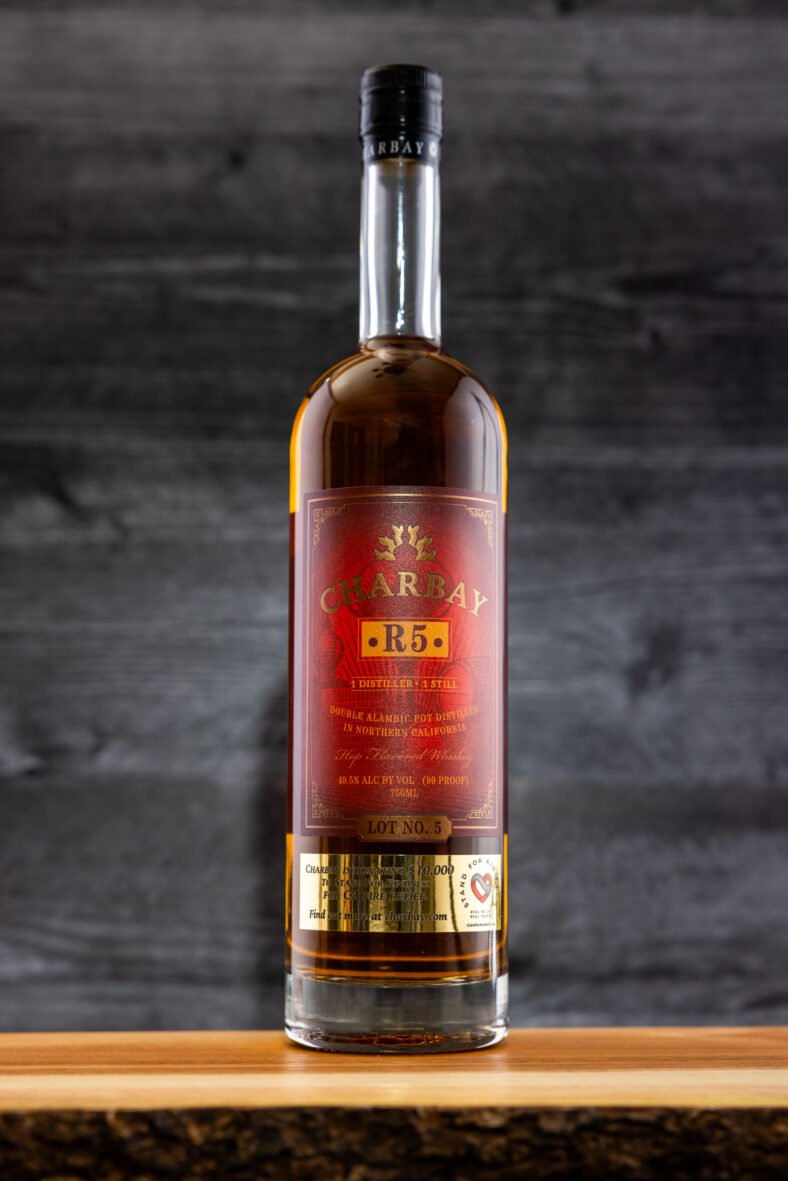
The Most Innovative American Whiskey Of 2025: Charbay R5 Final Lot Whiskey
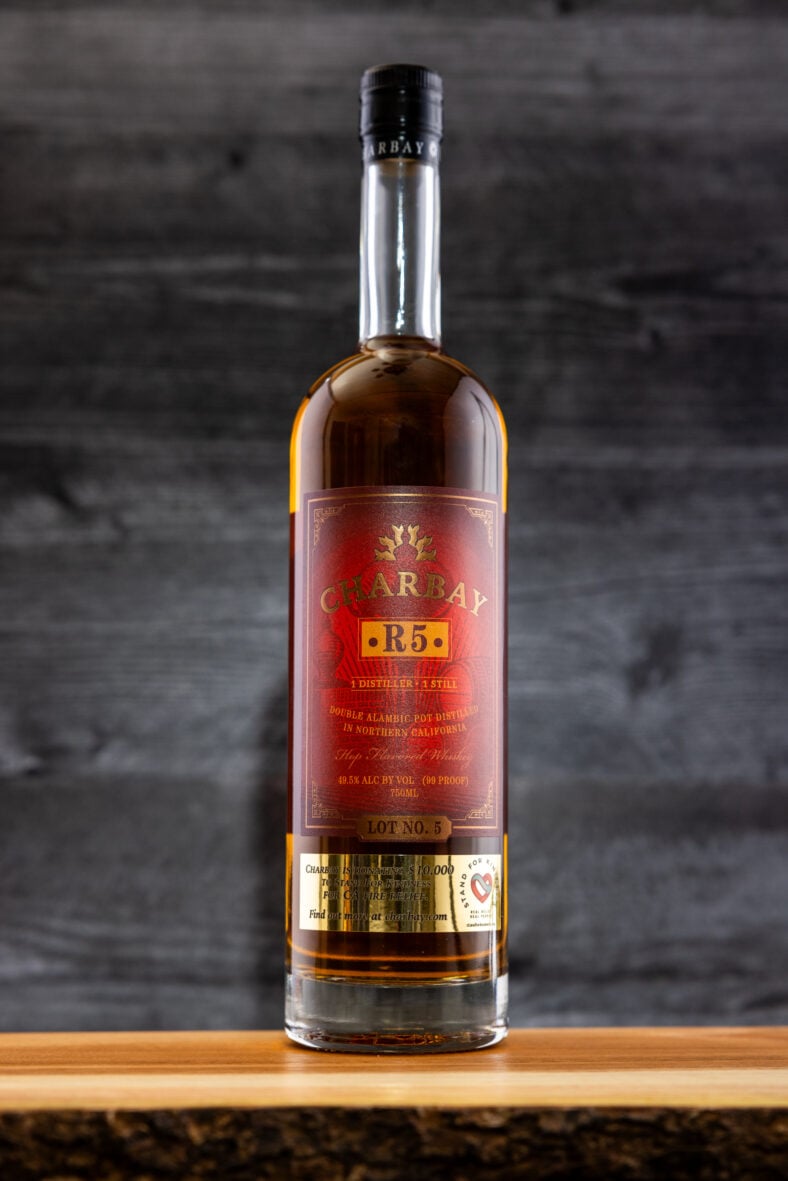
Founded in 1983 in Ukiah, California, by Miles and Susan Karakasevic, Charbay Distillery writes the current chapter in a family novel that stretches back to 1751—when the Karakasevic line was formally recognized by the Habsburg Empire for its mastery in wine and brandy. Today, their son Marko carries that lineage forward with a insatiable appetite for innovation.
We first unknowingly tasted Marko’s work in Wolves Whiskey, and were blown away by the upstart label’s first products (making our very first Best In New American Whiskey Awards way back in 2019). Turns out, those were all sourced from Charbay. At the time we were shocked to learn that their whiskey was distilled from finished beer—then an unheard of process. What we also didn’t know then was that Marko crafted America’s first whiskey made from bottle-ready Pilsner way back in 1999, and is one of the few master distillers in history to have produced all four foundational spirits (whiskey, brandy, rum, and tequila).
R5 represents Charbay’s pinnacle with this inventive spirit. Instead of a standard mash, the whiskey starts with fully finished Racer 5 IPA from Bear Republic Brewery, a beloved, hop-forward Northern California beer. After four years of collaborative research and development performed closely with the brewery, Marko perfected the process: double distillation on Charbay’s custom Alambic Charentais pot still, a Cognac-style copper still famed for coaxing deep, aromatic layers rarely found in American whiskey.
For this sixth and final release of R5, hence the Final Lot moniker, the spirit was distilled in 2017, then aged 6.5 years in French Oak, allowing the beer’s citrusy hops and malt sweetness to evolve into something richer, rounder, and unmistakably Charbay. A beautifully smooth, full-bodied whiskey with smoky French oak, vanilla, malted barley, and balanced hops. Bottled at 49.5-percent ABV (99 proof), think of Charbay R5 as a liquid bridge between two craft worlds, distilled with generational expertise and California imagination. $60 SRP—Nicolas Stecher
Buffalo Trace Spirits Distilled from Grain and Hops
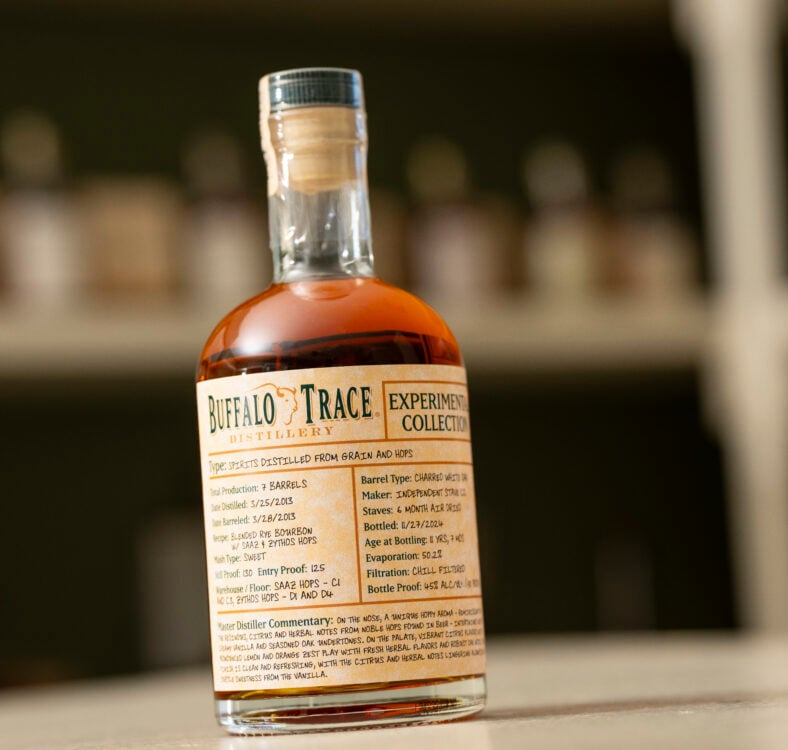
For the latest and 26th chapter of their annual Experimental Collection, the aptly named Spirits Distilled from Grain and Hops, Buffalo Trace were inspired over a decade ago by the proliferation of bitter beers with floral aromas that at the time were dominating the craft brewing world.
To see how these hops could affect whiskey, Master Distiller Harlen Wheatley and his team had an epiphany: let’s start with new-make distillate fresh from the still and infuse it with 2 different hops: a Czechoslovakian noble hops called Saaz commonly used in Bohemian pilsners, and an American hop dubbed Zythos known for its tropical and subtle herbal notes.
After the hops infusion, they then re-distilled each and aged them separately in charred white oak casks for 11 years and 7 months. “Initially, we experimented with the Saaz and the Zythos barrels individually. We didn’t consider blending the 2 until later in our experimentation,” Wheatley reveals. “The individuals were great, but the blend created something unique and special, combining an earthy hop found in traditional European lagers (Saaz) and a more citrus hop used in American pale ales (Zythos). This combination is rare and represents 2 extremes.
“Like previous Experimental Collection releases, this uniqueness embodies Buffalo Trace Distillery’s drive for innovation and curiosity.” If you can find the highly limited edition Buffalo Trace Experimental Collection ‘Spirits Distilled from Grain and Hops,’ it comes sealed at 90-proof in 375ml bottles. $47 SRP—Nicolas Stecher
Heaven Hill Heritage Collection 19-Year-Old Kentucky Straight Wheat Whiskey
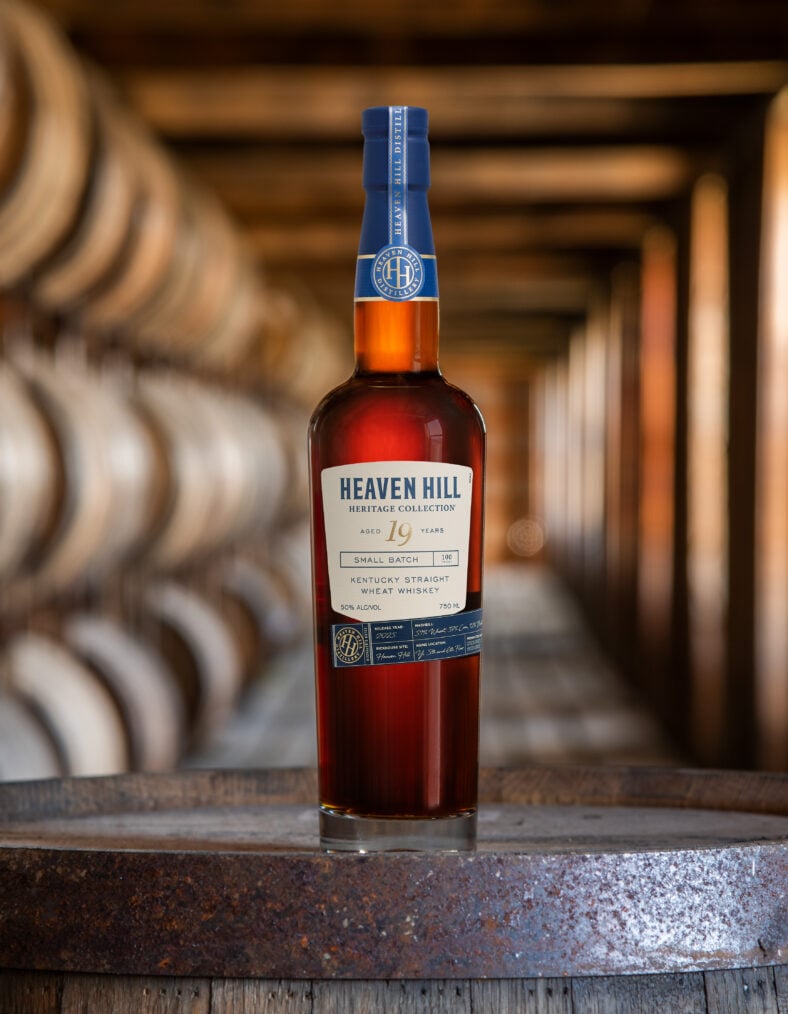
Introduced in 2018 with a 27-year-old bourbon, the oldest whiskey ever from Heaven Hill, the Heritage Collection was from day one about bottling truly exceptional whiskey. This spring its sixth edition was the oldest wheat whiskey Heaven Hill has ever bottled. Heritage Collection 19-Year-Old Kentucky Straight Wheat Whiskey uses the distillery’s rarest mash bill: a 51-percent wheat / 37-percent corn / 12-percent malted barley wheated whiskey they only brew up half of one day per year.
This is the same scarce recipe released as Bernheim Original Wheat Whiskey, as well as Bernheim Original Barrel Proof. As one of the few distilleries to brew six different mash bills, Heaven Hill enjoys many avenues to play across grain bills, barrels, maturation time, second finishes, etc. Allowing this particular wheated grain bill to age 19 years is a boon only a distillery as robust as Heaven Hill—the largest family-owned and operated distillery in America—can boast.
Heaven Hill Heritage Collection 19-Year-Old Kentucky Straight Wheat Whiskey blends 277 barrels produced in August and September of 2005, aged for almost two decades on the 5th and 6th floors of Rickhouse Y. After extensive tastings to pinpoint the ideal bottling strength, Master Distiller Conor O’Driscoll and his team honed in on bottling at 50-percent ABV, because that’s where they believed the whiskey “shines the brightest.”
“The consensus has to be that this whiskey is good enough to go in a $300 bottle, and we are going to put our name right across the front of it,” O’Driscoll told Maxim with confidence. “And people are going to hand over their hard-earned money, and expect to get a whiskey that they’re going to enjoy drinking. “That’s Rule One: are you enjoying what you’re drinking?” O’Driscoll declares. “There is no rule two.” $300 SRP—Nicolas Stecher
Laws Super Wheater Origins Series Whiskey
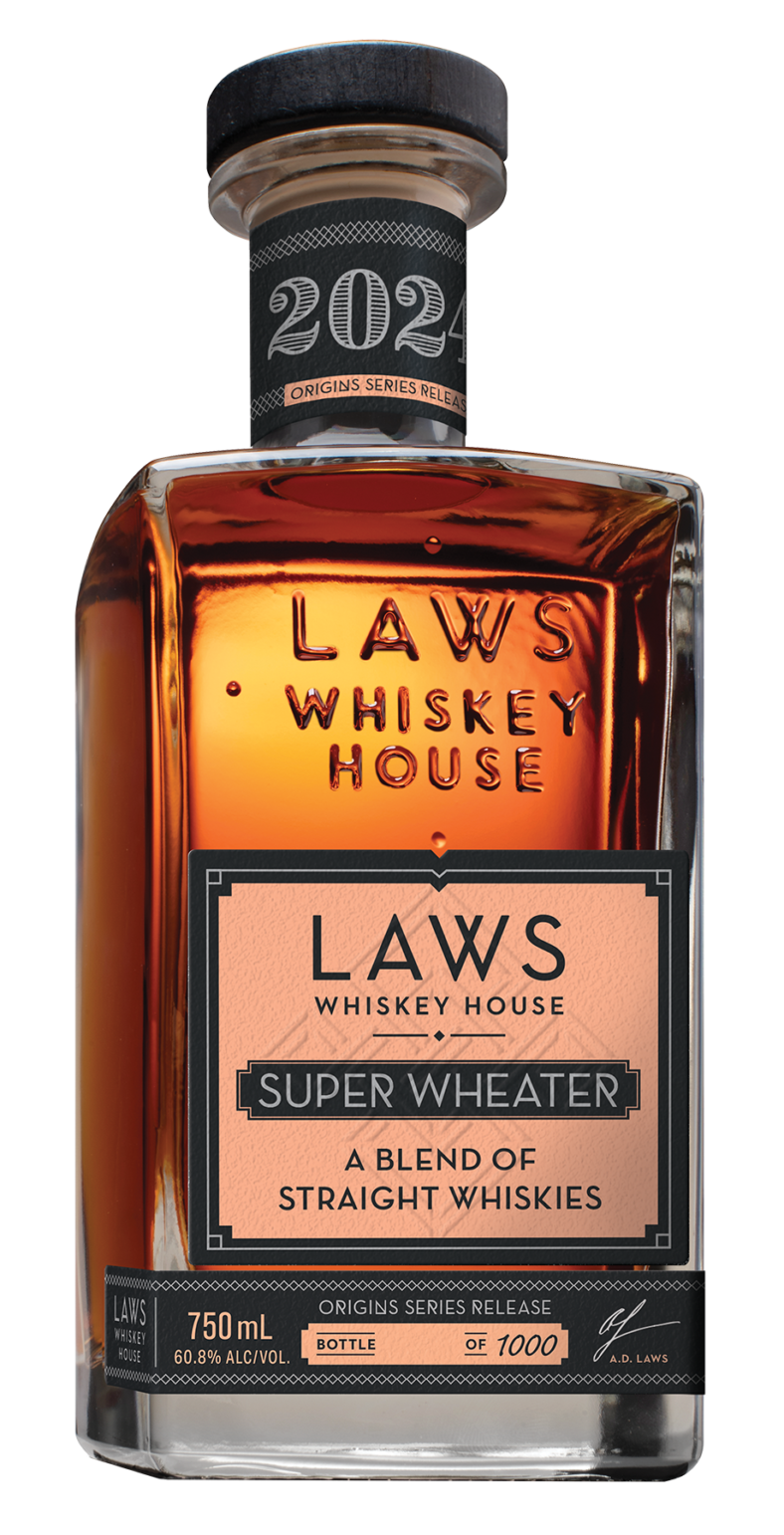
Laws Whiskey House’s fourth and latest entry into their Origin series, Super Wheater, is precisely what its name implies: an exercise in wheat’s influence in whiskey. So the Colorado distillery vertically blended barrels of their Flagship Four Grain Bourbon (60-percent corn / 20-percent wheat / 10-percent rye / 10-percent barley) aged from 5 to 12 years, and did the same separately with their 100-percent Centennial Wheat Whiskey. They then took these two whiskey blends and married them together, resulting in a collective mash bill which Laws estimates to being roughly about 45-percent wheat.
“The layers of flavor is what I like the most about Super Wheater,” the ambitious founder Al Laws reveals of his favorite aspect of the new blend. “It evolves from a rich bourbon backbone to the more fruity—orange and apple—and grain-centric wheat whiskey. Ending with bold dark caramel, oaky and sarsaparilla notes that come together best on a large ice cube.”
Al and his wife Marianne filled their first barrel in their Denver facility on July 4, 2011. Mashing heirloom wheat, corn, barley and rye grown by two local family farms and distilling only in copper pot stills, the Laws duo aimed to create a truly handcrafted whiskey that reflected the unique terroir of their home state.
“Colorado is an inspirational place in the country—the mountains, the soil, the water, the bright blue skies and over three hundred days of sunshine all contribute to the high quality heirloom grains we use, and the whiskey we make and age here,” Laws told us when asked what it is specifically about his state’s unique aspects that inspire this level of expression.
“We always tell folks: try our whiskey versus just describing them to you,” he recommends. “But for Laws Whiskey the dark caramel, black tea, orange and apple notes are very pronounced, finishing with a pleasant nuttiness. “In short, they taste like Colorado.” Only 1,000 bottles of Laws Whiskey House’s Super Wheater Origins Series are available. $135 SRP—Nicolas Stecher
Frey Ranch 10th Anniversary Harvester Series Batch #1 Whiskey
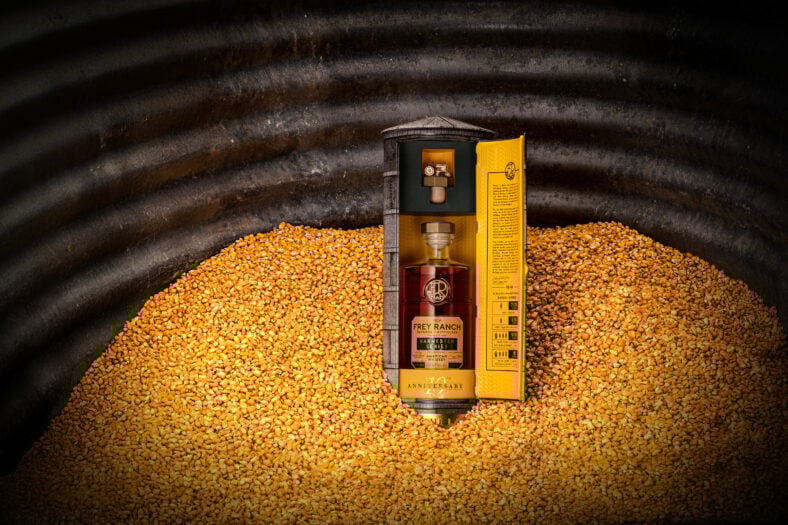
In the fertile fields outside Lake Tahoe, where the Frey family has farmed since 1854, whiskey begins long before distillation—it begins in the soil. The Harvester Series celebrates this philosophy with a grain-to-glass precision rarely seen in American whiskey. As they have been doing on this fertile land in Fallon for almost 170 years, the Colby and Ashley Frey grow all their own grains on site. They ferment and distill all the whiskey themselves, mature in their own rick houses on the farm, and then blend and bottle there as well. True farm-to-bottle distilling, every step fulfilled on their 2,000 acre estate. On top of all that, the Frey’s employ a secret weapon.
”Our collaboration with Nancy Fraley began in early 2024, and we discussed coming up with the best whiskey possible starting from a totally blank slate,” Colby reveals of their partnership with the legendary blender, known in the industry as “The Nose.” He notes how for their 10th Anniversary Harvester Series Whiskey the team tried no less than 14 different mash bills and hundreds of single barrels to hand pick the proper ingredients. “What we appreciated about the partnership with Nancy is that she really understood and respected our philosophy of leading with our grains, which is the hallmark of the Frey Ranch brand,” Colby adds.
As a symbol of their devotion to the crops they grow their on their own soil, it was only fitting that for their 10th Anniversary Harvester Series Frey Ranch used all five of their grains (wheat, rye, barley, corn and oat) in the final blend—a true rarity in the world of whiskey.
“This is my first time using a mash bill that has this many grains in one blend,” Fraley shares. “Since Colby and Ashley are first and foremost farmers, and their overreaching philosophy of whiskey making is letting the grains shine through, I thought it was paramount to go through their stock in order to find barrels that were really showing well at the particular moment of analysis.”
While the 10th Anniversary Harvester Series Whiskey Batch #1 might be very tough to find, other excellent Frey Ranch limited edition options with a spectrum of wild mash bills. $250 SRP—Nicolas Stecher
Frey Ranch Harvester Series: Second Harvest Whiskey
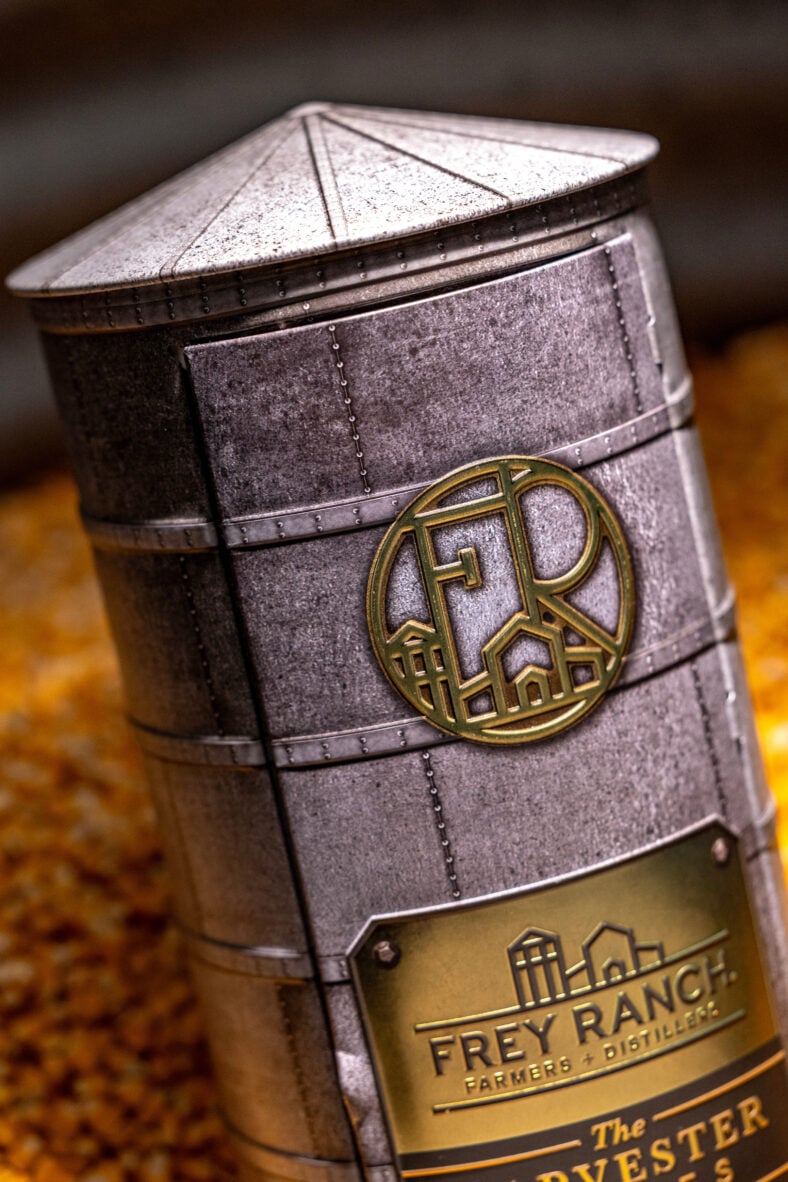
We labored on which of Frey Ranch’s Harvester Series to include on this list, and then decided on both. What the hell. The above mentioned fifth-generation farmer and distillery co-founder Colby Frey likens his farm’s annual harvest to the “crush” in winemaking, when vintners celebrate their harvest; here, the grain itself dictates the expression.
Unlike traditional releases, Second Harvest isn’t born from a pre-determined mash bill or marketing concept. Instead, Frey Ranch’s team, led by Master Distiller Russell Wedlake and guided by legendary blender Nancy Fraley (as they did with the inaugural Harvester Series), tastes hundreds of barrels each year, letting the harvest’s natural voice determine the whiskey’s profile. This year, the spotlight landed on wheat, complemented by a quad malt combination of corn, rye, barley, and unmalted barley, with select bourbon barrels adding depth. The result is layered and textural—a harmony of flavors where no single grain dominates.
The whiskey’s character reflects its origin, a true agricultural time capsule of Nevada soil, distilled, blended, and bottled on-site. At 61.22-percent ABV (122.44 proof) and packaged in a striking silo-shaped metal container, Second Harvest is a testament to both craft and patience. It’s no wonder both Harvester Series releases sold out in minutes, with this new edition continuing to cement Frey Ranch as a pioneer in authentic, farm-driven American whiskey. $250 SRP—Nicolas Stecher
Milam and Greene The Answer Bourbon
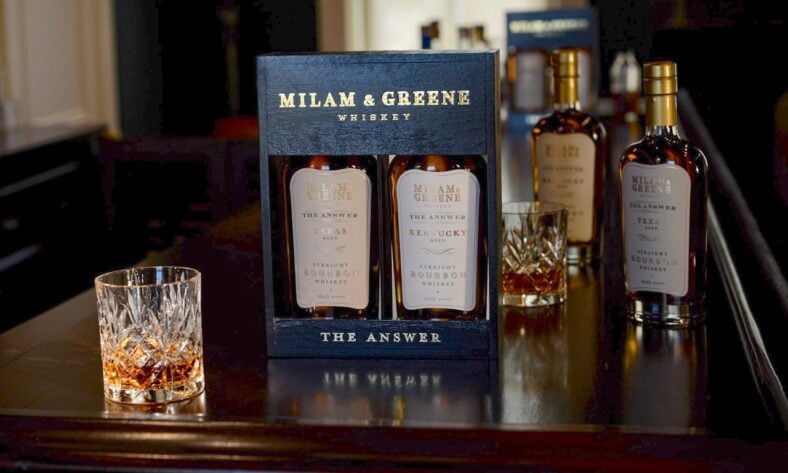
Milam and Greene’s latest limited edition project looks to answer the timeless question: How does climate affect whiskey aging? Or more specifically, what happens when you take barrels from the exact same batch of bourbon and age them in two different states?
For this inquiry in deducing the affects of climate on aging, the Milam and Greene team—a partnership between Master Blender/CEO Heather Greene and Master Distiller Marlene Holmes—began with the exact same bourbon (70-percent corn / 22-percent malted rye / 8-percent barley mash bill), distilled solely in Kentucky in 2019. They then took the 53-gallon barrels and shipped half to their Blanco, Texas rick houses, and left the other half to age in the milder Kentucky climate.
The results, after five years of aging separately, speak pretty clearly. And lucky for some 9,600 aficionados who score a box of Milam and Greene’s The Answer, they will be able to open up a bottle each of the Kentucky and Texas aged whiskeys, taste them side-by-side, and find out for themselves.
It’s important to note that choosing one is unimportant, as Milam and Greene normally blend these two strains (and sometimes more) to create their own bourbon. But it’s still fun to compare and contrast from the comfort of your couch, or den bar. Milam and Greene The Answer’s twin 375ml bottles come packaged in a black wooden box. $150 SRP—Nicolas Stecher
Kentucky Owl Batch #13 Bourbon
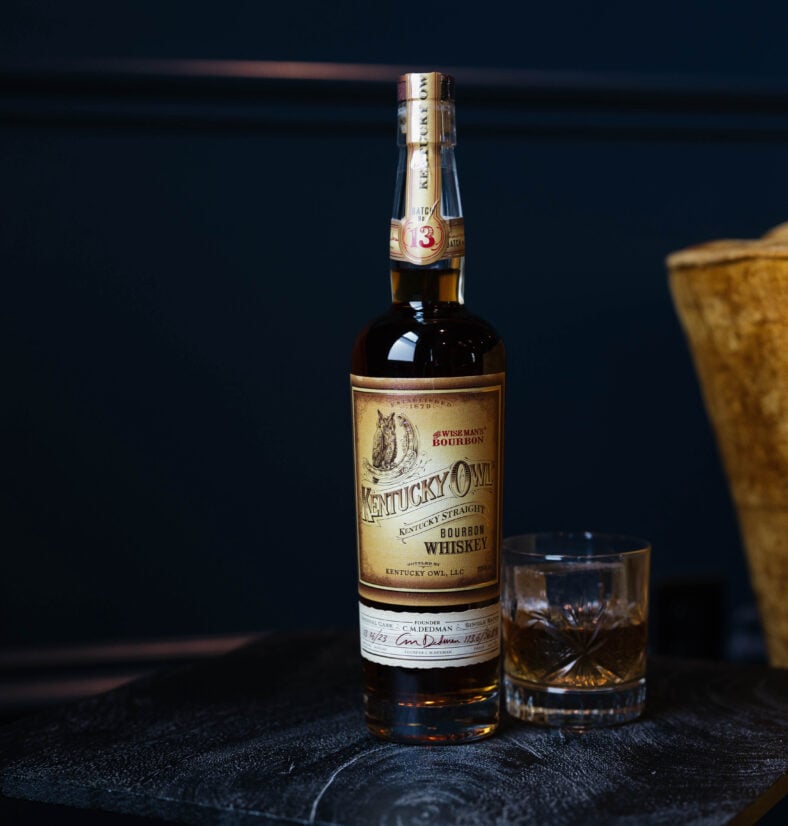
A Master Blender’s swan song, Kentucky Owl’s Batch #13 is the final expression crafted by the esteemed John Rhea. Boasting a decades-long Hall of Fame career (inducted in 2016), Kentucky Owl tasked him with curating a blend that would serve as his ultimate legacy, Rhea leaned on Kentucky Owl’s excellent stock reservoir of older high-rye bourbons, layering in a touch of younger wheated barrels for balance and vivacity.
From the first pour, Batch #13 unleashes waves of vanilla and caramel, evolving gracefully across the palate. The higher rye content lends complexity and structure, while the wheated addition introduces a subtle lift that keeps the whiskey approachable without compromising its richness. Each sip demonstrates Rhea’s meticulous attention to blending—the art and science of bourbon.
Kentucky Owl itself carries a storied history, founded in 1879 in Bardstown by Charles Mortimer Dedman, and revived in 2014 by the founder’s great-great-grandson, Dixon Dedman. When Dixon sold the label, Rhea came out of retirement to grasp the Kentucky Owl reins in 2021. Under his stewardship, the brand continues to carve out a place among the bourbon landscape, with Batch #13 being no exception. “The great thing about each batch release from Kentucky Owl is that there are no rules, and I get to create an expression that showcases the art and science of blending,” Rhea told us this summer. Mission accomplished As Rhea steps away from the tools of his trade, Batch #13 stands as a testament to a career devoted to flavor, precision, and heritage. Bottled at an audacious 56.8-percent ABV. $399 SRP—Nicolas Stecher
Lost Lantern Far Flung Bourbon III
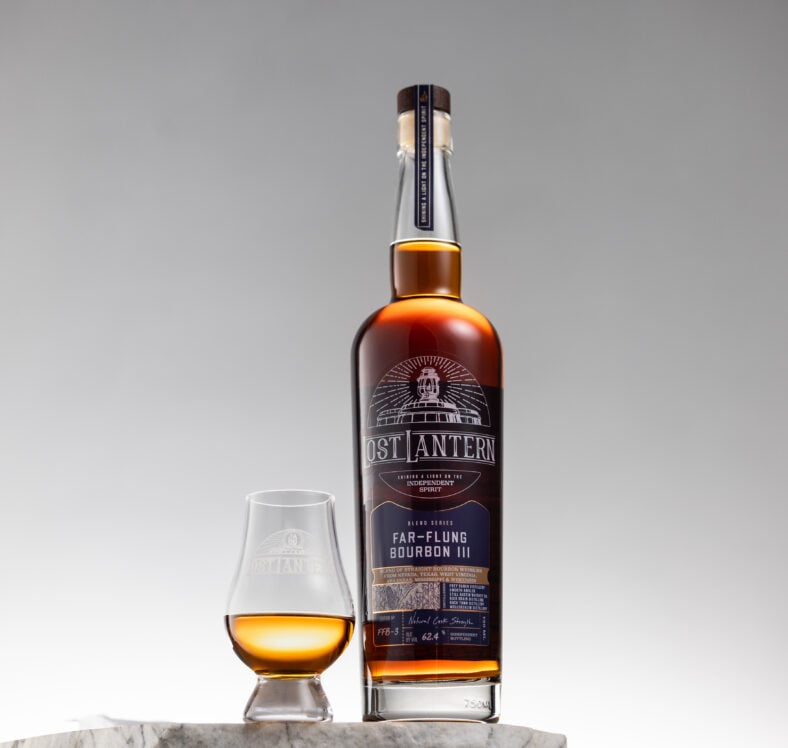
Lost Lantern has always treated American whiskey like a landscape worth exploring—one shaped by climate, craft, and regional character. A bourbon road trip, basically, in a glass. With Far-Flung Bourbon III, the independent bottler’s flagship blend returns in its most daring form yet with a six-distillery, six-state collaboration.
Far-Flung Bourbon III brings together straight bourbons from Frey Ranch (NV), Wollersheim (WI), Rock Town (AR), Rich Grain (MS), Still Austin (TX), and Smooth Ambler (WV). Each producer brings its own terroir-driven accent: Nevada’s high desert richness, Texas heat, Wisconsin grain purity, and Appalachian elegance. And somehow, under the guidance of Head Blender and Co-Founder Nora Ganley-Roper, they click into a single, expressive voice. “This is our most ambitious Far-Flung Bourbon yet,” Ganley-Roper says. “Blending whiskey from six distilleries across six states isn’t always easy, but when it comes together, the result reflects the true diversity of American bourbon.”
That philosophy is exactly what has driven the evolution of the Far-Flung series since its debut in 2023. Instead of spotlighting a single region as they did with last year’s Far Flung Rye, Lost Lantern asks: What new flavors emerge when America’s most distinctive regional bourbons share a stage? Far-Flung Bourbon III is the most complete answer yet—a cohesive portrait of the country’s whiskey identity in one single bottle. Sold at a muscular 124.8 proof. $100 SRP—Nicolas Stecher
Distillery 291 Experimental Batch #16 Wheat Whiskey
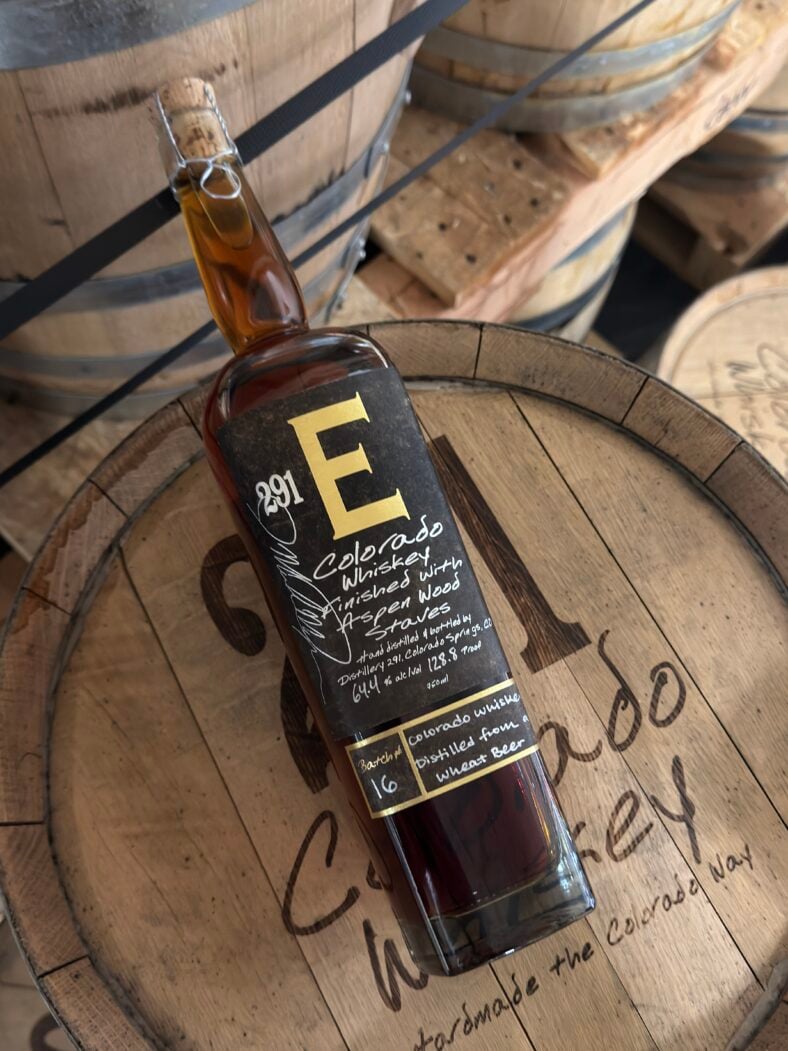
Years ago, Distillery 291 turned a local brewery’s wheat beer into a one-off whiskey that stunned the industry. That release—dubbed E Series Batch #7—went on to claim “World’s Best Wheat Whiskey” at the 2021 World Whiskies Awards, cementing its cult status and instantly disappearing from shelves. Now in its latest experimental ‘E Series,’ Batch #16 resurrects that same wheat-beer origin story, but with a bolder, more ambitious approach. Triple-distilling that finished wheat beer on 291’s signature pot stills, the spirit then spent 1,138 days resting in new charred oak barrels—a shift from the used-barrel maturation of the earlier batch. A finishing kiss from 291’s trademark aspen staves layers on a final, unmistakable Colorado house signature. The result is a whiskey that retains the bright, grain-driven charm of its predecessor but emerges deeper, richer, and more structurally powerful.
Because distilling from beer means a lower starting ABV—and therefore a smaller yield—only 214 bottles of Experimental Batch #16 exist. Still as the Colorado Springs’ distillery is known to do, they bottle their a Batch #16 at full proof (128.8 proof)—creating a full bodied, unctuous spirit oozing with peculiar notes of toasted marshmallow, vanilla ice cream with caramel drizzle, sandalwood warmth, and even a playful flash of cherry Runts candy. A limited, once-only experiment, and true to the spirit of the E Series: once it’s gone, it’s gone. $150 SRP—Nicolas Stecher
Maker’s Mark Cellar Aged Bourbon 2025
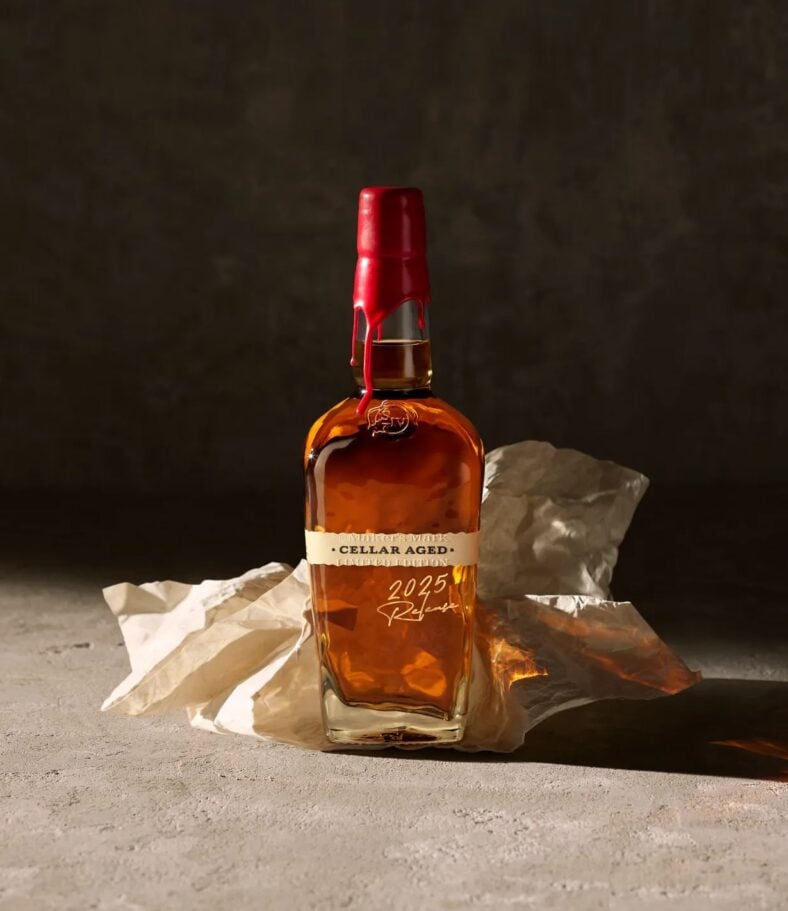
The Cellar Aged series was born from a quiet revolution: in 2016, the distillery carved LEED-certified aging caves straight into the limestone shelf beneath their Star Hill Farm distillery. Those naturally chilled, Scotland-like temperatures—right around 50°F—slow aging to a crawl, allowing Maker’s famed wheated bourbon (always 70-percent corn, 16-percent soft red winter wheat and 14-percent malted barley) to deepen without tipping into the tannic, over-oaked territory that traditional Kentucky warehouses often impose beyond the eight-year mark. Maker’s Mark had famously refused to go “older” for that very reason, a stance Senior Manager of Innovation and Blending Beth Buckner defends with near monastic conviction.
What these limestone cellars have allowed, however, is for the Maker’s Mark braintrust to cherry-pick honey barrels that had hit their peak after roughly the expected 7-8 year window, but still had potential left to unlock. So they moved those barrels into said cellars, initiating a new cycle of aging under considerably different elements.
A comparison tasting during a recent Zoom made the point unmistakably clear. An 11½-year bourbon aged entirely in standard rickhouses showed what happens when a wheater lingers too long in the Bluegrass climate: buttery and bright, yes, but tinged with the bitter coffee-like astringency the Maker’s Mark braintrust have resisted for decades. It’s good whiskey, for sure—but it isn’t quite Maker’s Mark.
Cellar Aged 2025, though, is the revelation they’ve been chasing. Now in its third iteration, this year the Loretto team tapped the oldest liquid Maker’s Mark has ever bottled: a blend of 74-percent 11-year, 10-percent 13-year, and 16-percent 14-year bourbon, all built from the same humble mash bill the brand has sworn allegiance since inception. The cooler maturation liberates a richer Maker’s Mark: caramelized brown sugar and butterscotch, warm baking spice, dense vanilla, pecans and shortbread—and a gorgeous dark-cherry depth that feels newly unearthed. The mouthfeel is plush, the “Kentucky hug” immediate, and the finish long enough to linger into memory. Everything here is familiar, yet elevated. Same mash bill. Same yeast. Same ethos. Only the second half of each barrel’s life changed—and that shift has opened a new echelon for the iconic wheated bourbon. Bottled at a bold 56.45-percent ABV (112.9 proof). $175 SRP—Nicolas Stecher
Jefferson’s Marian McLain 2025 Bourbon
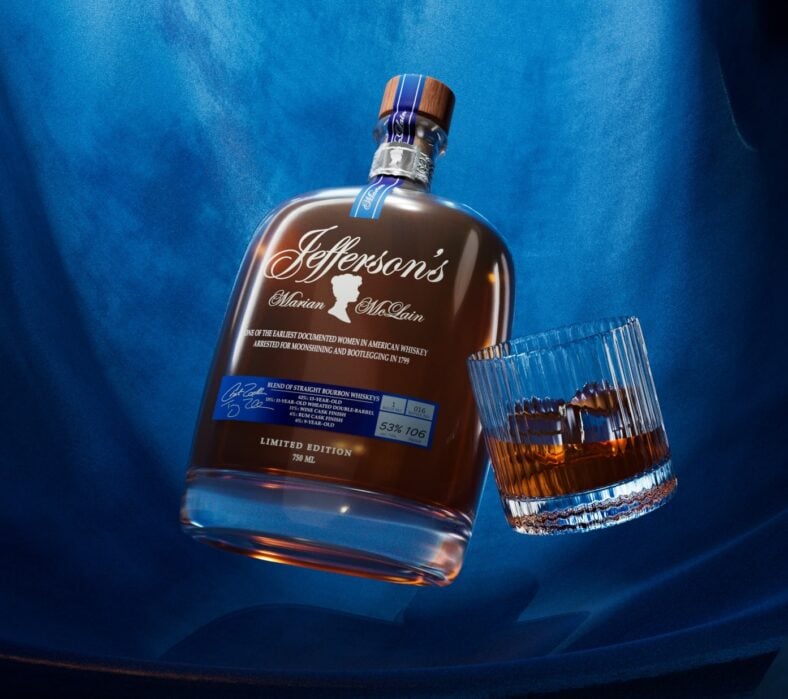
For Jefferson’s Bourbon it’s always been about family. Trey Zoeller co-founded the label in 1997 with his dad Chet, an acclaimed lawyer and historian who literally wrote the book on bourbon (Bourbon in Kentucky: A History of Distilleries in Kentucky). And also, we should note, one hell of a gentleman and sage (RIP to a true legend who sadly passed this year). Part of the inspiration for launching the endeavor came from their familial heritage, which reaches all the way back to Trey’s 8th-generation grandmother, a woman whose story reads like frontier folklore: widowed during the Revolutionary War, left to raise five children, and ultimately arrested in 1799 for the illicit production and distribution of whiskey. So it’s no surprise Jefferson’s channels that exact spirit into a special blend aptly named Marian McLain. For the second edition, Trey and Master Blender Ale Ochoa created their most intricate blend ever.
They virtuosically crafted this second Marian McLain expression from no less than five bourbons, each chosen to mirror a facet of her story. The backbone is a deeply mature 13-year-old Kentucky bourbon, supported by an 11-year-old wheated bourbon double-barreled in oak, two experimental Kentucky rye-barrel finishes, and an additional 9-year-old Kentucky bourbon. Together the quintet orchestrates a flavor profile that feels both historic and modern: a complex layering of depth, spice, and sweetness that evolves with every sip. Bottled at 106 proof, Marian McLain 2025 opens with rich tobacco, fig, and brown sugar before easing into soft oak and hints of coconut. The finish is long and textured—think leather, red fruit, cinnamon—meant to echo a life lived defiantly. $100 SRP—Nicolas Stecher
15 Stars First West Toasted Oak Bourbon
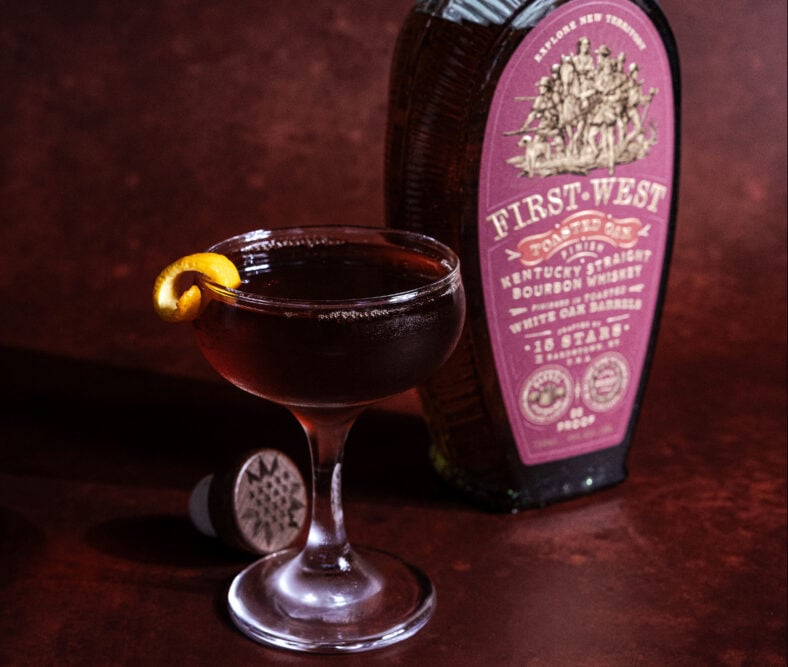
Father-son duo behind 15 Stars, Rick and Ricky Johnson, have quickly grown their label into something special. Since launching in 2019, they’ve built a reputation on two pillars: exceptional barrel sourcing and Ricky’s talented palate. Whether it’s their award-winning Three Ports Bourbon (highlighted in our Best American Ryes of 2025 list) [LINK] or a rotating slate of limited releases, the Johnsons’ signature is unmistakable.
But even as their sourced whiskeys gained national acclaim, the pair have been quietly building something far more personal: their own distillate, crafted from the same heirloom Black Jewel corns that fueled their family’s popcorn business. Those red, white, blue, and black kernels were originally the foundation of a college project Ricky dreamed up; today, they’re the backbone of 15 Stars’ brand-new sub-label: First West.
Among the inaugural trio—Small Batch, Extra Aged, and Toasted Oak—the First West Toasted Oak Bourbon stands out for its interplay of heritage grains, thoughtful blending, and a deft finishing touch. The whiskey begins with the Johnsons’ own five-year distillate (70-percent heirloom corn, 18-percent rye, 12-percent malted barley), blended with two sourced bourbons aged six and seven years. Crucially, while the Small Batch uses a softer six-year component, the Toasted Oak incorporates a higher-rye six-year whiskey, amplifying spice and structure.
Then comes the flourish: a marriage of two distinct toasted-barrel profiles—one deeply toasted for bold oak and char, the other coaxing out caramel, brown sugar, and warm pastry notes. This dual-toast approach gives the bourbon its signature richness and layered sweetness, all while showcasing the grain complexity of those heirloom corns.
And like every 15 Stars release, proofing isn’t an afterthought—it’s a discipline. Rather than watering down to 80 or conforming to Bottled-in-Bond, the Johnsons fine-tune each whiskey to its ideal strength. For Toasted Oak, that magic number is 98 proof, where the blend’s oak, caramel, and spice harmonize without overshadowing the delicate corn aromatics. Offered at just $69, Toasted Oak is one of the most accessible 15 Stars bottlings yet. $70 SRP—Nicolas Stecher
Garrison Brothers Sonora 2025 Bourbon
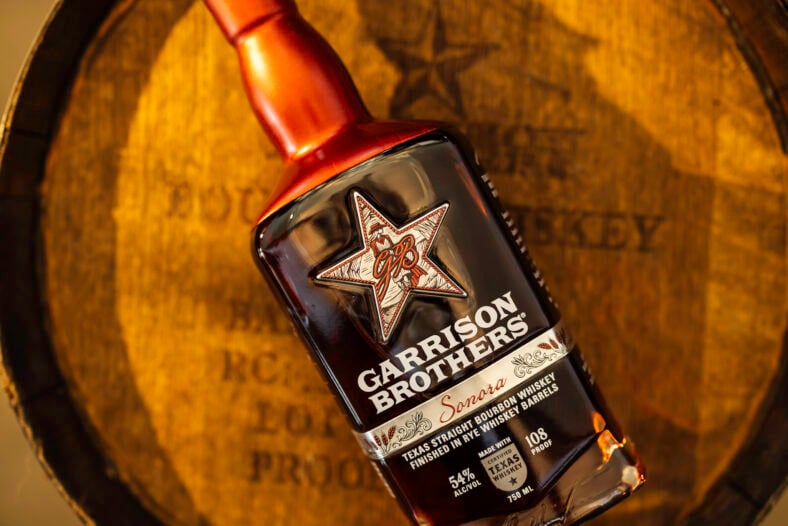
In the harsh and dusty landscape of Texas hill country, where temperatures can plummet into the 30s before sunrise and leap back up over 80 degrees Fahrenheit by noon, Garrison Brothers continues to harness the landscape to craft some utterly exceptional Texas bourbon. Celebrating almost two decades in business, just last year the distillery took home top honors for the country’s best bourbon at the Las Vegas Global Spirits Awards—its Single Barrel Cask Strength Bourbon a surefire winner, giving the distillery room to experiment with offerings like its 2025 Sonora limited release.
While its flagship 94-proof sweet mash bill is the liquid housed within limited-time runs like this year’s“Red, White and Bourbon” bottle, Garrison Brothers Sonora 2025 swerves ever-so-tastefully from the norm. The 7-year-old, 108-proof Texas straight bourbon retains the sweet mash bill characteristics of its counterparts, resting for four years in new white American Oak barrels. Here’s the kicker, as Maxim found out during a distillery visit on a hot October day: that Texas straight bourbon spends three additional years in rye whiskey barrels. It’s a special release marked by a ruby red wax bottle seal, all the better to stand out in your bar cart.
Sonora 2025 represents a project managed in part by Garrison Brothers’ distillery team member Samantha Olvera, working alongside co-founder Nancy Garrison and Master Distiller Donnis Todd on the effort. That distinction makes Olvera the first female Latina in Texas to work on a grain-to-glass bourbon. Seemingly a lengthy amount of time to age bourbon in rye whiskey casks, the liquid isn’t overpowered with rye spice, but instead pours a beautiful amber color. Sonora 2025 boasts notes on the palate of sweet corn, oak and maybe a S’mores-like graham cracker and chocolate quality. It drinks in a pleasing, luxurious fashion, and should certainly prove worth its pricetag. As Master Distiller Donnis Todd told Maxim this fall, the goal at Garrison Brothers is to “make better bourbon every day,” and that mantle has certainly been met with Sonora 2025. $160 SRP —Beau Hayhoe
Booker’s The Reserves 2025 Bourbon
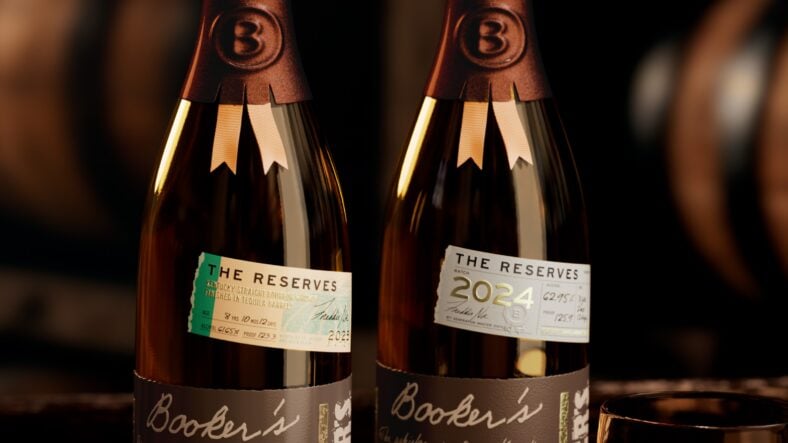
It’s all in good fun to trace the journey of a barrel of whiskey, either from rackhouse to rackhouse (and rackhouse to bottle), or by following along with the barrel itself as much as the liquid within. And for Booker’s “The Reserves” 2025, the journey of that barrel is wildly important. Even with a strong heritage dating back to the late 1980s as an exclusive barrel-proof offering, the Booker’s line had never been pushed forward quite like this year’s covetable release. The latest edition of The Reserves sees a tequila barrel finish for the first-time ever—both for Booker’s and for James B. Beam Distilling at large.
To deliver this masterful liquid, El Tesoro tequila barrels were used, simply an excellent tequila in its own right. The barrels in question held the 30-year edition of Booker’s before being sent to El Tesoro, used and then boomeranged back north. The Beam distilling team rightfully noted “there’s a time-honored practice of collaboration between distilling families,” something that assuredly benefits the 123.3-proof 2025 edition (bearing liquid aged to precisely 8 years, 10 months and 11 or 12 days).
There’s a touch of brightness and even some subtle citrus, while the remarkably curious cooked agave notes play delicately with characteristic charred oak. Call it a masterclass in whiskey innovation. $250 SRP —Beau Hayhoe
Follow Deputy Editor Nicolas Stecher on Instagram at @nickstecher and @boozeoftheday, and Contributor Beau Hayhoe at @beauhayhoe.