










What You Should Know:
– Auxira Health, a virtual cardiology company co-developed by MedStar Health, has secured $7.8M in seed funding to address the growing cardiologist shortage and clinician burnout crisis.
– Unlike standard telehealth platforms, Auxira embeds dedicated “clinical pods” of nurses and advanced practitioners directly into existing practice workflows, training them on-site to ensure seamless integration.
– The funding will fuel the company’s expansion, aiming to support over 100 cardiologists by mid-2026 while reducing administrative burdens and wait times.
The “Clinical Pod” Model
In the high-stakes world of specialty medicine, the bottleneck is rarely technology; it is people. The United States is facing a “silver tsunami” of aging patients entering Medicare just as the cardiology workforce finds itself stretched to the breaking point. Today, Auxira Health emerged with a solution that bridges the gap between digital efficiency and human care, announcing a $7.8M in seed funding round co-led by Route 66 Ventures and Abundant Venture Partners, with strategic backing from the American Heart Association Ventures and MedStar Health, the latter of which co-developed the platform.
Auxira’s launch is significant because it rejects the “disruption” narrative common in health tech. Instead of trying to replace the cardiologist or create a parallel telehealth system, Auxira is reinforcing the existing practice infrastructure with virtually embedded clinical teams.
Solving the Capacity Crunch with “Pods”
The core innovation of Auxira is organizational, not just technological. The company deploys what it calls “clinical pods”—dedicated teams of Advanced Practice Providers (APPs), Medical Assistants (MAs), and Registered Nurses (RNs)—that are precision-matched to specific cardiology practices.
These pods don’t just parachute in via Zoom. In a unique hybrid model, Auxira’s remote staff train in-person alongside the physicians they will support. This on-site onboarding builds the trust and clinical alignment necessary for complex cardiac care, allowing the virtual team to function as true extensions of the staff rather than outsourced help.
“Auxira Health was founded on the belief that care teams should be designed for both access and joy,” said Inna Plumb, Co-Founder and CEO of Auxira Health. “We’re not creating a parallel system but instead are reinforcing the one that already works.”
Quantifiable Impact on Burnout and Revenue
For cardiology practices, the value proposition is twofold: operational relief and financial growth. By offloading routine follow-ups, documentation, and administrative triage to the virtual pod, cardiologists can focus on high-acuity cases and procedures.
Early pilots of the model have already yielded concrete results:
- Reduced Wait Times: Patients can see a provider sooner, reducing the risk of adverse events while waiting for care.
- Workload Reduction: Significant decreases in “pajama time”—the after-hours documentation that drives physician burnout.
- Revenue Growth: By clearing bottlenecks, practices can increase their total patient volume without overburdening their core staff.
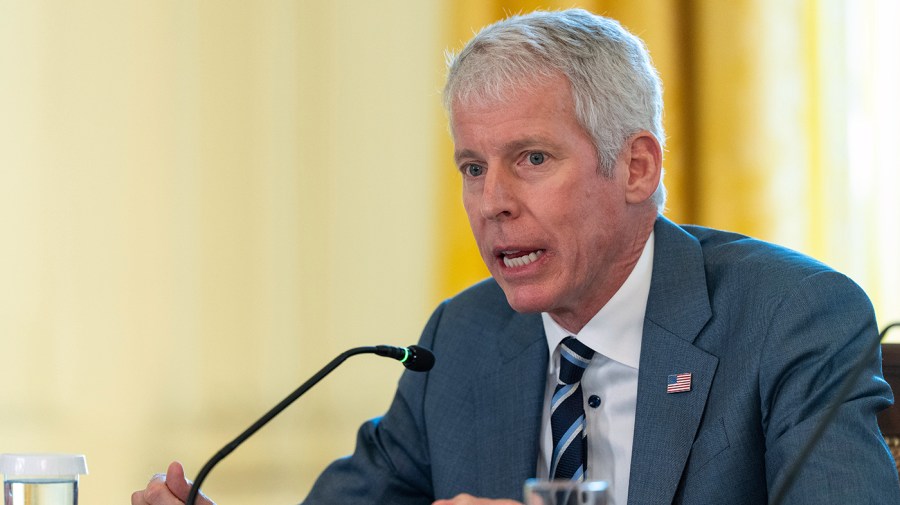
Bill Sheahan, Chief Innovation Officer at MedStar Health, noted that the model was born out of real-world necessity. “Built on the foundation we created and launched out of our Connected Cardiology program, the company provides a unique opportunity to add capacity and enhance patient satisfaction,” Sheahan stated.
The Human-Centric Tech Stack
While Auxira utilizes technology to connect its pods, it purposefully avoids requiring partners to adopt new, cumbersome infrastructure. The “virtual extension” integrates directly into the practice’s existing workflows and Electronic Health Records (EHR).
This “invisible tech” approach removes a major barrier to adoption. By eliminating the friction of learning new software, Auxira allows cardiologists to reap the benefits of telemedicine—expanded reach and efficiency—without the typical integration headaches.
Scaling for 2026
With $7.8M in fresh capital, Auxira plans to aggressively expand its footprint. The company has set a target to support more than 100 cardiologists by mid-2026.