






Recovery is an industry. There are boots that pulse, trackers that buzz, and fancy chambers that promise cellular repair and reduced inflammation. Yet most people still wake up stiff. Research on wearable technology suggests that we tire of gadgets long before they prove helpful. We chase optimization, not restoration.
Because I’m a runner and an avid skier, I rely on rest as part of my training, so I decided to explore one of the recovery world’s greatest origin stories—Nordic wellness rituals, specifically those of the Vikings.
Here’s a deep dive into three Viking-era recovery methods: the hot-cold cycle of Nordic sauna traditions, a diet rich in fish and fermented dairy, and a segmented approach to sleep. No apps. No supplements. Just the kind of recovery that once kept people alive.
In the Viking Era, Recovery Wasn’t Just Wellness—It Was Survival
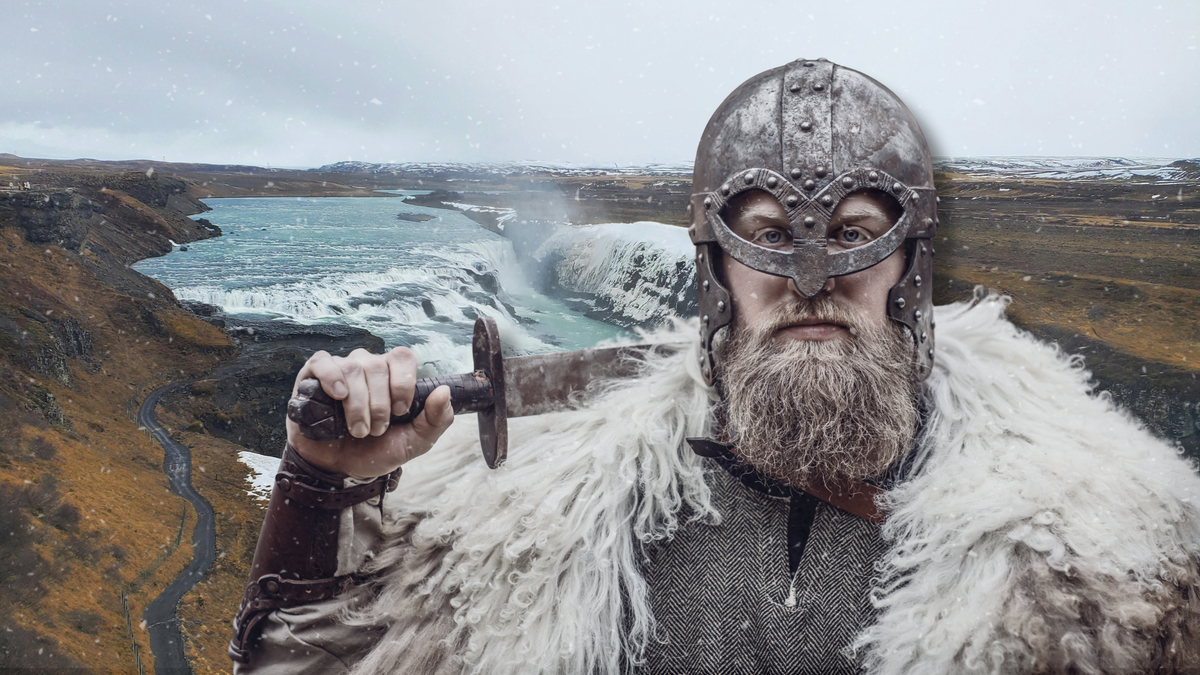
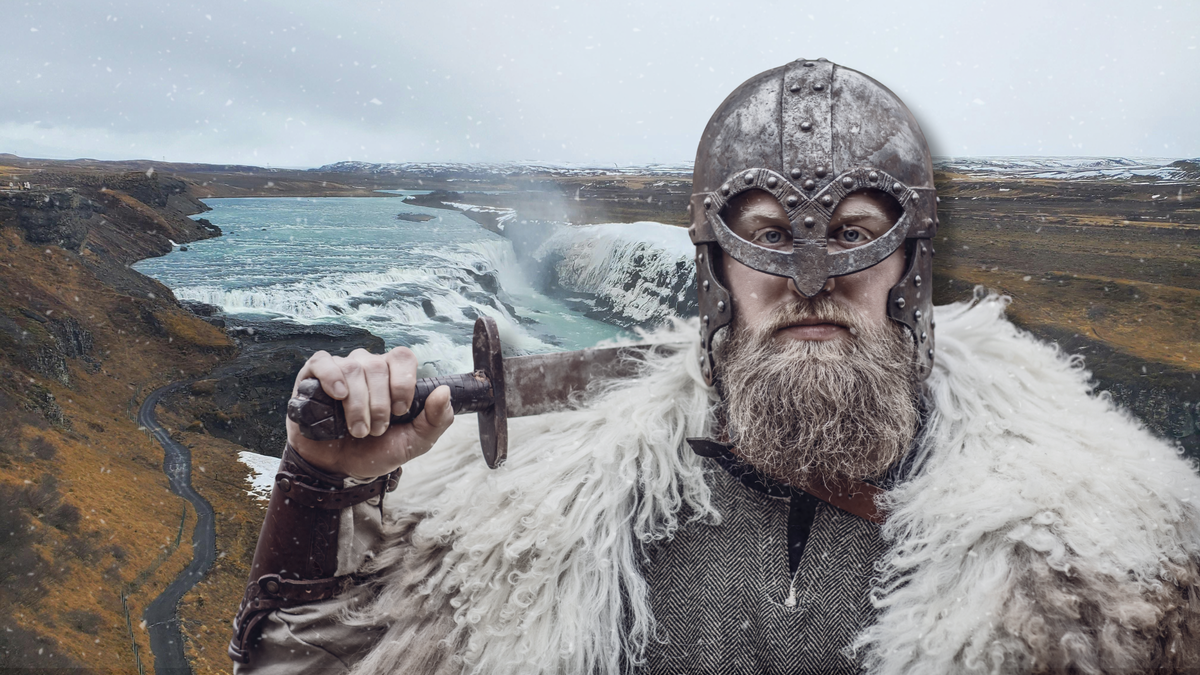
Viking life was unrelenting. In 2009, archaeologists discovered a mass grave at Ridgeway Hill in Dorset, England, a region previously rife with war between the 10th and 11th centuries. Through isotope and skeletal analysis, the researchers identified them as Scandinavian Vikings.
The burial pit was a ghastly scene. The remains exhibited clear signs of violent death: deep cuts, defensive wounds, and multiple decapitations . Combat wasn’t sport. It was a means to survive after weeks at sea, between bouts of raiding and trading.
Vikings didn’t recover to optimize performance; they recovered to stay alive.
Those seas were crossed in oar‑powered longships like the Oseberg, arguably the most famous preserved Viking ship. The ship’s design required crews to row for hours, sometimes days, through freezing ocean spray. Archaeologists describe the Oseberg vessel as both a sailing and rowing ship, proof that building stamina was a daily expectation, not an athletic hobby.
Outside of combat, most Vikings farmed, built homes, and hauled timber. Every part of life demanded endurance. There were no recovery rooms or protein shakes—only rest, warmth, and food when available.
Archaeological records make it clear that Vikings didn’t recover to optimize performance; they recovered to stay alive.
Saunas and Hot-Cold Therapy Were Embedded Into Nordic Life
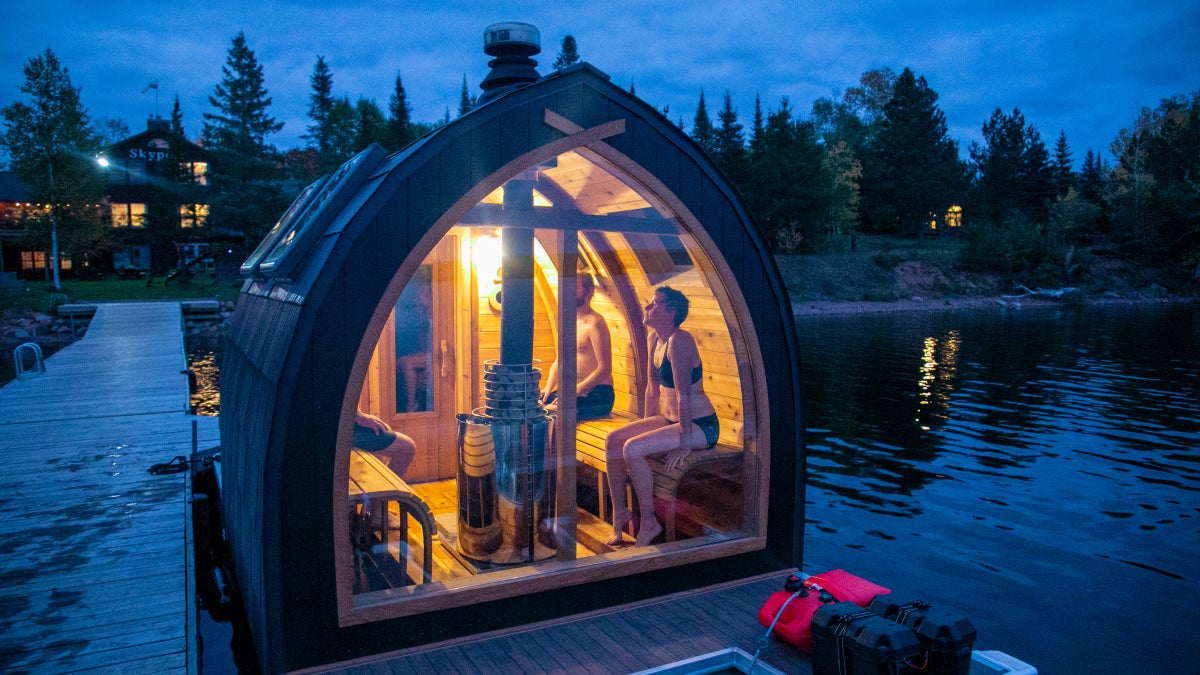
While the Vikings left no sauna manuals, their Nordic descendants preserved the tradition, as evidenced by the 3 million saunas currently in Finland, a country with a population of 5.5 million.
According to Valo Finland, a Finnish cultural site that documents traditional sauna practices, sauna “is often followed by a plunge into a cool body of water or a roll in the snow, invigorating the senses,” highlighting the long-standing practice of combining intense heat with sudden cold.
Saunas were used to foster resilience and rest. They served both physical and cultural needs, often blurring the line between survival and ceremony.

Science Proves That Both Methods Still Work
Research supports the deeper function of saunas. A 2018 study found that sauna use can reduce the risk of cardiovascular disease, alleviate arthritis symptoms, and promote better mental health and pain tolerance.
What the Viking-inspired recovery methods offer isn’t just performance but presence.
Contrast water therapy (CWT) involves alternating hot and cold baths and has been shown to aid recovery over passive rest. Cold water immersion constricts blood vessels, reduces swelling, numbs sore areas, and flushes lactic acid from the muscles. Heat therapy alleviates muscle stiffness and improves blood flow.
According to a scientific case report, some athletes combat soreness with one to five minutes of heat (such as a heating pad, a cloth dampened with warm water, or a warm bath), followed by one to five minutes of cold (an ice pack or a cool bath). But you don’t need a sauna or a giant plunge tub, as alternating between warm and cool settings in your shower works, too.
Vikings Relied on Two Major Food Groups to Support Recovery: Fish and Dairy
The Viking diet was shaped by a need to obtain and maintain as much energy as possible from fatty foods. This meant lots of freshwater fish, fermented dairy products, fruits and berries, and hearty breads and porridges. Fermented dairy products like Skyr yogurt, a thick, pasteurized, skim-milk product, have ancient roots in Icelandic cuisine. Since its origin in 874 AD, the Skyr recipe has largely remained unchanged.
Skyr is protein-rich (the casein protein left behind during the milk culturing process provides sustained energy) and contains easily digestible natural sugars. It offered nutritional endurance well-suited to physically demanding lifestyles.
We Shouldn’t Be Sleeping On Seafood and Dairy Either
These powered the Vikings; they can absolutely do the same for us. Just drinking a glass of cow’s milk after working out can boost rehydration and ease muscle soreness, particularly after both endurance and resistance training, research says.
A recent study found that consuming Greek yogurt, a close relative of Skyr but less dense, reduced several markers of inflammation compared with eating a carb-rich pudding in young men following 12 weeks of strength training three times a week. Eating yogurt an hour or two after your workout provides optimal recovery benefits. Cottage cheese works too.
Omega-3 fatty acids from fish, like salmon, mackerel, and herring, can also reduce inflammation and delay the onset of muscle soreness.
The Weird But Effective Sleep Methods Vikings Swore By
According to historian Roger Ekirch, a professor in the Department of History at Virginia Tech, since the beginning of time until the 19th century, people typically fell asleep after sunset (called the first sleep), woke around midnight for a period of quiet activity—such as prayer or tending the hearth—and then returned to sleep until morning (the second sleep).
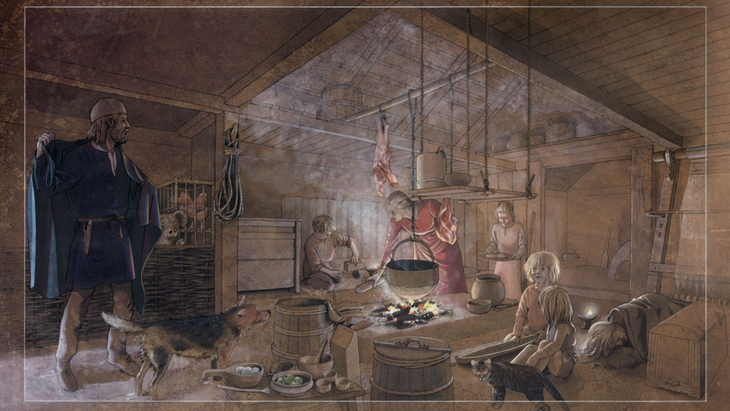
In Iceland, domestic architecture likely reinforced this schedule. The traditional living quarters or baðstofa, which translates to “bath room” (and isn’t related to bathing at all), served as a heated communal space where up to 50 people slept, ate, and socialized. The benches surrounding the central fireplace doubled as beds at night.
The issue with sleeping alongside dozens of people? It got cramped. The workaround, according to some historians, was sleeping upright.
Should You Give Segmented or Upright Sleeping a Shot? Maybe.
While many of us aim to get one giant block of sleep each night, that’s not always realistic. In fact, some people practice segmented sleep without realizing it. Enter: napping during the day, which is linked to better cognitive performance.
While you can sleep upright, that won’t be comfortable in the long term. A recliner would mimic this sleep style and be less rough on your back.
What the Viking-inspired recovery methods offer isn’t just performance but presence. Heating a blanket, then switching to a cold compress. Scooping Skyr. Sleeping however you want. These aren’t groundbreaking methods, but they do require intention. The Vikings remind us that, sometimes, all you need to do is keep it simple.
Want more Outside health stories? Sign up for the Bodywork newsletter. Ready to push yourself? Enter MapMyRun’s You vs. the Year 2025 running challenge.
The post Nordic Recovery Secrets: How Viking-Era Wellness Boosts Modern Training appeared first on Outside Online.