








A black bear lumbers through a suburban front yard that’s been decorated for Halloween. One of the decorations—an animatronic ghost—begins to shake and moan and light up, its sensor triggered by the approaching animal. Terrified, the bear turns and sprints away, only to slam head-first into the homeowner’s pickup truck.
My ring camera caught this insane video in my yard!! reads a caption over the video.
This clip caught my attention when it popped into my Instagram feed a few months ago. I am a huge fan of wildlife videos—specifically, footage of whimsical animal activity captured by wildlife cameras, dashcams, or people’s home surveillance equipment. As I have done far too many times, I mindlessly clicked the “like” button and then shared the bear video with some friends, before returning to my braindead scrolling.
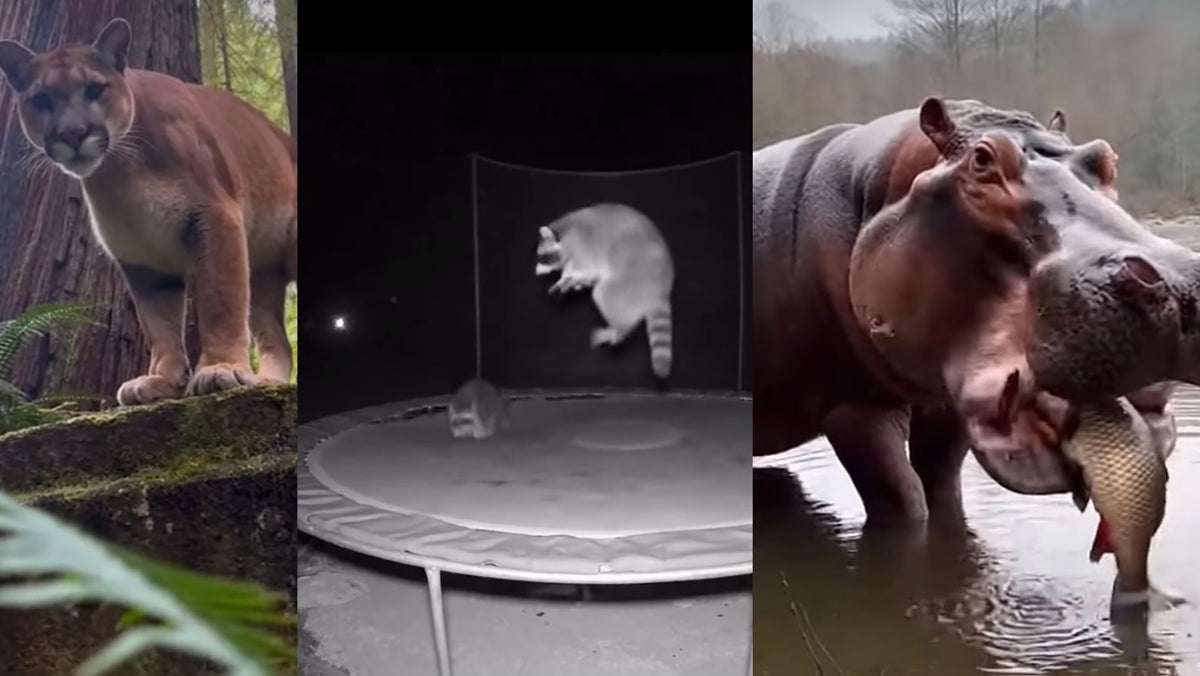
Unbeknownst to me, this video was a fake, just another AI-generated clip circulating the Internet. Since I validated it with my click, Instagram’s algorithm immediately chummed my feed with an impressive tonnage of wacky AI wildlife videos. In quick succession I watched a porch-pirate raccoon attack a decorative clown; a barn owl peck a rock climber on the side of El Capitan; a marauding squirrel chase a grizzly bear down a bike trail.
I hoovered up this content, watching hundreds of videos. Yes, I knew that they were fake. But they appealed to my brain in the same way that real ones do—my neurons tingled as I endlessly scrolled. Within a matter of hours I’d developed an addiction to AI wildlife videos.
This affliction was short-lived, and after a few days, I came to an unfortunate realization: I could no longer discern an authentic wacky animal video from one created by generative AI.
“If you start to think some of it can be fake, you start to think all of it can be fake,” Ben Colman, an AI expert, told me. “And pretty much everything you see or hear on the Internet can be deepfaked now.”
I was confused and troubled by my brain’s reaction to this diet of AI trash. So I reached out to some experts to try to understand what had changed inside of my cranium, and whether or not I’d ever be able to tell a fake animal video from the real thing.
AI Video Goes from Goofy to Great
We all remember the garish AI videos that first popped into our social media feeds way back in 2023. The imperfections were impossible to ignore: people with gross fingers or extra teeth, objects that magically appeared or vanished, stuff mysteriously melting or bursting into flames. Check out this AI cooking video to relive the charm.
Those days are long gone. Powerful new video AI models released in recent months—OpenAI’s Sora 2, Google’s Veo 3, LTX Studio, and others—have erased the quality gap.
“A year ago I could have told you all the things you can look for to discern an AI video,” Colman told me. “But now it’s gotten so good that even the PhDs on our team can’t tell the differences themselves.”
I reached out to Coleman in late December to ask him about the rise in AI wildlife videos. Coleman is the CEO and co-founder of a cybersecurity company called Reality Defender, which identifies harmful AI video and attempts to flag it or get social platforms to take it down. Major corporations and even government entities hire Reality Defender to identify fraud—content that could cost a company millions of dollars.
But even firms like Reality Defender are coming up against the same hurdle I encountered during my scrolling: the AI video is too good.
“Without the help of a tool now, it’s almost impossible for the average internet user to understand whether an image or a video or a piece of audio is AI-generated or not,” Francesco Cavalli, cofounder of another AI security company, Sensity AI, recently told Fast Company.
While governments and corporations are willing to pay for companies to sift out the really damaging stuff, there’s not the same incentive to police whimsical videos of bears and raccoons and squirrels.
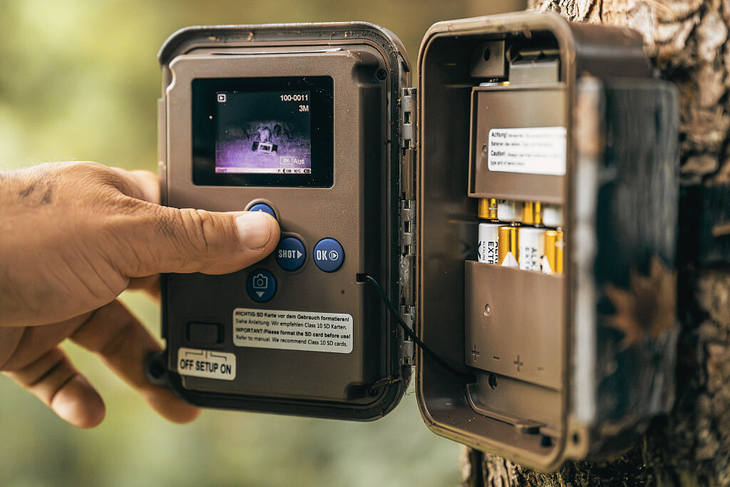
There’s another reason why the tonnage of AI wildlife videos has increased so quickly. The grainy video quality of home surveillance equipment and wildlife cameras is relatively easy for AI to reproduce.
“A few years ago it took us $15,000 to make a fake video of you or me. Now, it’s basically free,” Colman added.
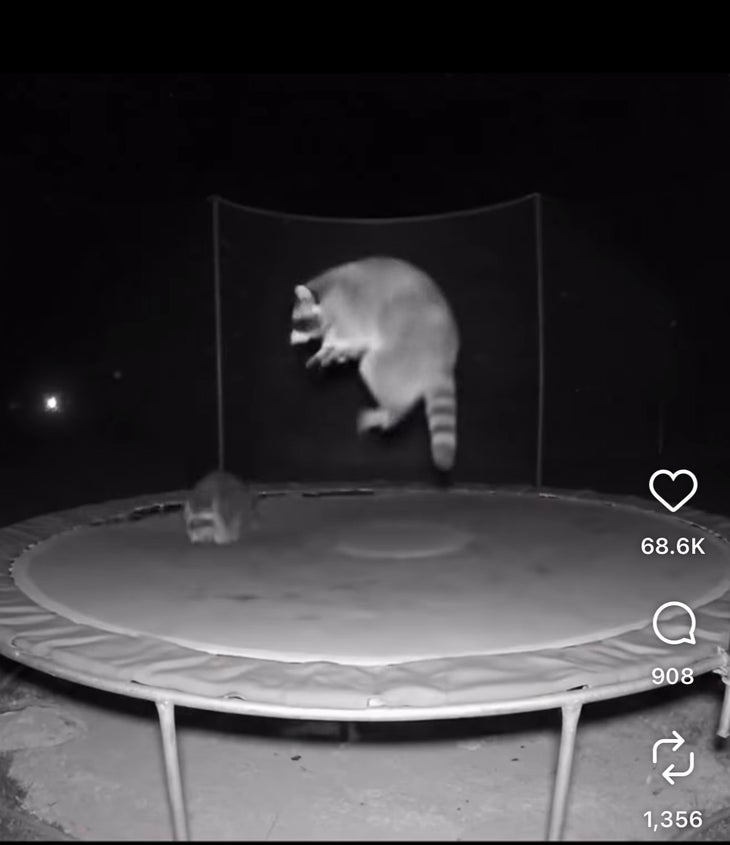
This phenomenon gained mainstream attention in August when the Patient Zero of goofy animal clips gained national attention. An eight-second backyard surveillance video appeared showing a group of bunny rabbits gleefully bouncing on a trampoline. You better believe I watched that clip.
The video was eventually debunked as a fake, but not until it racked up more than 240 million views on TikTok. The clip was so popular that it inspired its own line of copycat footage. You can now watch squirrels, raccoons, deer, bears, and even an elephant bob up and down on the same trampoline.
Why Create AI Animal Videos?
So, why spend so much time and effort creating AI videos of raccoons eating candy or squirrels attacking bears? When I posed this question to Coleman, he laughed. “I can’t speak why creators do what they do,” he said. “You’d have to ask one of them.”
So I did. After a lengthy process of sending out messages on various social media platforms, I got in touch with a man who identified himself as Omar. Omar is the braintrust behind an Instagram handle called @Wildencountermoments, which is what you’d get if you tossed all of David Attenborough’s wildlife films and a bunch of jump-scare horror movies into a blender.
Omar told me that he does wildlife videos as his full-time profession from his home in Egypt. “I treat this project as a digital media startup,” he said. “It has evolved from a passion project into a professional career.”
He was surprisingly candid with his process for creating his videos. He told me he studies stories of animal encounters to develop concepts for his videos. He then watches real-life videos of animals from dashcams or wilderness cameras—yep, the videos I adore—to understand an animal’s behavior.
Omar feeds a description of the idea into a generative AI model to get a raw clip. He then uses professional post-production software to fine-tune the color, sound, and motion.
“A single 15-second clip can take several hours of work,” he told me. “Generating the perfect movement takes many iterations of trial and error. Then, sound design takes up a significant portion of the time—adding hyper-realistic breathing, footsteps, and nature ambiance is crucial because silent video never feels real.”
But why?
Omar told me he’s long been fascinated by the “raw” moments of nature that traditional documentaries often leave out. High-tension and terrifying moments, like shark attacks or close encounters with hungry carnivores. “I want to recreate that adrenaline rush—the feeling of being defenseless in the wild—safely, using technology.”
He calls his creations “hyper-real digital cinema,” and likened his videos to found-footage Hollywood movies like Cloverfield or The Blair Witch Project. He believes that his audience knows that the clips are fake, but they suspend their disbelief for entertainment’s sake. His Instagram bio clearly states that his footage is AI-generated. “My goal isn’t to deceive, but to immerse,” he said. “We are blurring the line between reality and digital art to create an experience.”
I asked Omar if he thought of himself as an artist, and his videos as expressions.
“Just as a filmmaker uses CGI to bring a dinosaur to life for a movie, I use generative AI to bring ‘What if’ survival scenarios to life for social media,” he said. “The medium is different, but the goal is the same: Storytelling. It is an artistic expression of fear, nature, and the unknown, designed to evoke a real emotional response from the viewer.”
Making Sense of the AI
Who am I to argue with Omar’s thoughts on art? While his comments answered my questions about why so much AI animal footage is now online, they did little to help understand how to parse the fake from the real thing.
Colman had some advice: Look for videos that are sponsored or released in collaboration with an official entity, like a national park. If a clip looks too bizarre and outlandish to be true, it probably is.
And when in doubt, watch video feeds that are live.
“In the live space, it’s still pretty expensive to do real-time live deepfakes,” he said. “At least for now, you can get a little more confidence in live video.”
Following Colman’s advice, I clicked on a YouTube channel of a live feed from a wildlife camera setup somewhere in Denmark. For ten long minutes I stared at live video of a brook running next to a tree. Not a single animal ventured into the camera frame. Not even a bug.
I fought the urge to pick up my phone and begin scrolling Instagram. And as I wrestled with that reflex that so many of us now combat, I had my second epiphany about goofy, amazing, or hilarious animal videos—the legitimate kind—and why I still love them.
These clips of bears snapping selfies, or otters stealing surfboards, represent a magical moment in time when a variety of factors came together in serendipitous coordination. An animal did something bizarre or cute or terrifying, and a camera was there to capture it.
The reality is that most amazing animal activity goes on unnoticed and undocumented, and the lion’s share of wildlife camera footage is mind-numbingly boring.
It’s a lesson I plan to remember as generative AI continues its rapid evolution. I have no doubt that the other types of outdoor videos I crave—from skiers descending massive slopes to cyclists soaring off jumps—will soon have their AI-generated counterparts.
But like our friend the bear who got scared by a backyard ghost, not everything we see was made for us to believe.
The post Generative AI Just Killed the Wildlife Video. Should You Care? appeared first on Outside Online.