








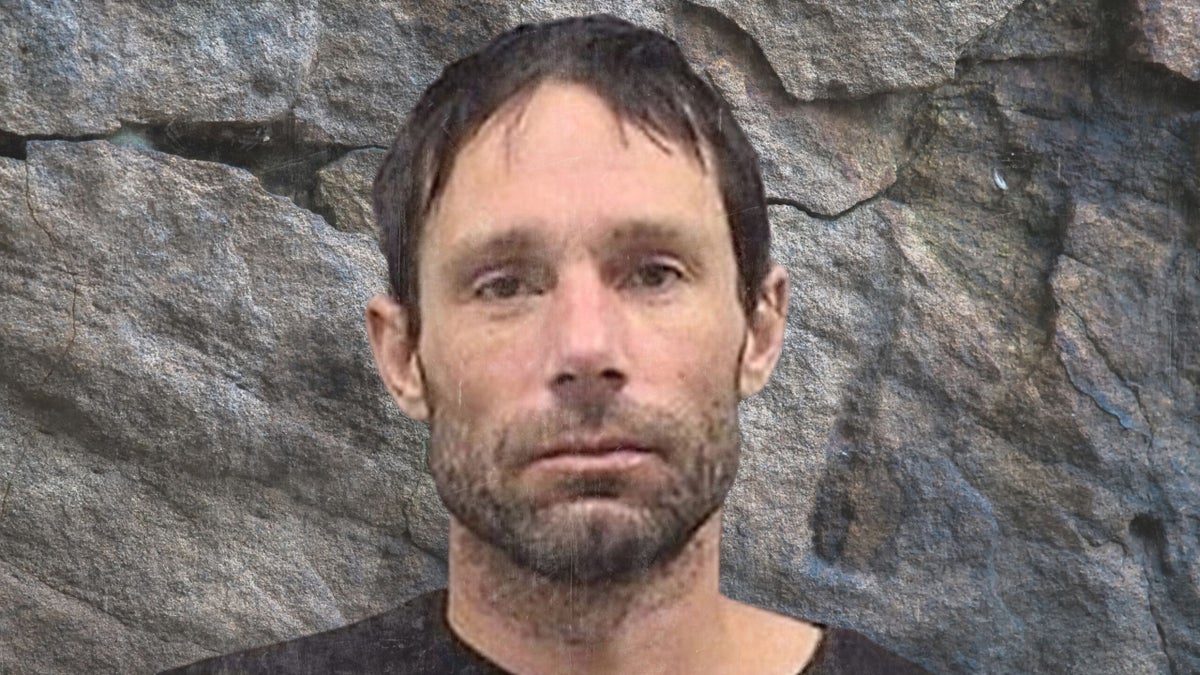
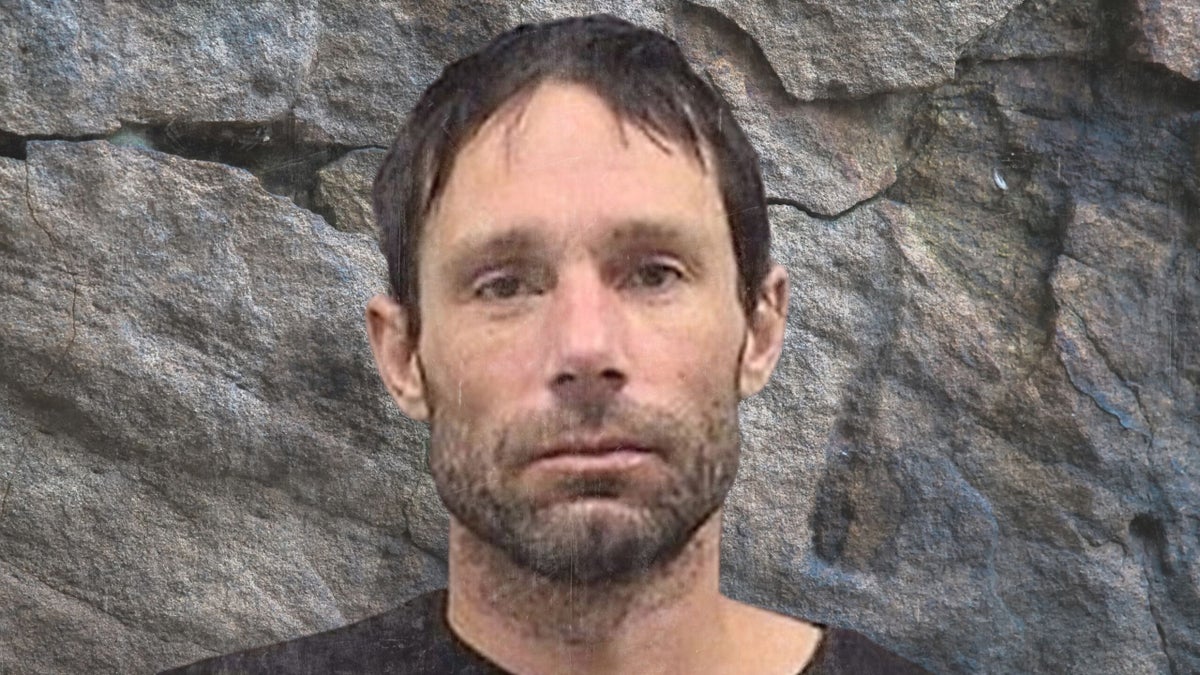
In a ruling issued on December 8, the United States Ninth Circuit Court of Appeals upheld a lower court’s conviction and life sentence of accomplished California climber and guidebook author Charles Barrett for the rape of a woman in Yosemite National Park.
Barrett was found guilty by a federal jury after a February 2024 trial of two counts of aggravated sexual abuse and one count of abusive sexual contact. He received the maximum sentence of life in prison in June 2024 from U.S. District Court Judge John A. Mendez. Mendez noted that the harsh penalty was warranted because of Barrett’s “pattern of terrorizing his victims” and “a clear lack of remorse.” Prior convictions, including felony domestic violence and making criminal threats, were also a factor in the judge’s decision.
Barrett, 41, has been in federal custody since August 2022, when he was arrested for sexually assaulting a fellow climber identified as K.G. in court documents.
After learning of the court’s ruling against Barrett’s appeal, K.G. told Outside that the 18-month appeal process had caused her tremendous anxiety and fear.
“I was afraid for my safety in the panicked way I was before Barrett was detained,” K.G. told Outside.
“The idea that it could all come undone after we—the other victims, the investigator, the prosecutors, the rest of the legal team, my family, my allies, and myself—had done everything we could to pursue safety through the legal system was utterly terrifying,” K.G. added. “I started safety planning, considering where I could hide out and how I could leave the country to evade retaliation were the conviction to be overturned.”
Barrett’s History of Sexual Assault and Violence
K.G. testified during the trial that she initially connected with Barrett through Instagram in 2016 when he offered her advice on a weekend hiking trip she was planning in Yosemite.
After completing a solo day hike on August 13, 2016, K.G. met Barrett and his friends in Tuolumne Meadows where he was working for a concessionaire and living in park housing. She agreed to accompany Barrett to watch a meteor shower, but instead of joining the group of friends as she had expected, Barrett led K.G. into a remote forested area where he pushed her to the ground and strangled her. According to a May 15, 2024, sentencing memorandum filed by the prosecution, Barrett “forcibly raped” K.G. that night and then again the next day. He also sexually assaulted her. She was 19 years old at the time.
Barrett’s February 2024 trial not only involved testimony from K.G. but also from three other female climbers who had been sexually assaulted by him. These assaults were not charged by federal authorities because they occurred on lands outside federal jurisdiction but were introduced at the trial to demonstrate Barrett’s pattern of predatory behavior.
An extensive investigation by Outside published shortly before the trial detailed how Barrett stalked and harassed his victims, causing them to fear for their lives. The story also chronicles how Barrett used his notoriety in the climbing community, which was bolstered by his relationships with well-known professional climbers, to prey on women and mask his criminal behavior.
Over a 14-year period, nine protection or restraining orders were filed against Barrett for incidents that involved the harassment or assault of at least six women; this included death threats, trolling on Instagram, and impersonating a police officer.
Barrett’s attorneys immediately appealed both the June 2024 sentencing and his conviction. Donald B. Marks, who represented Barrett at a November 20 hearing before a Ninth Circuit panel of three judges, contested evidence presented at the trial as well as the justification for the maximum sentence. Marks did not respond to Outside’s repeated requests for comment.
“I believe there are issues of credibility,” Marks said during the hearing, regarding K.G.’s trial testimony. “And there are issues with whether the assaults occurred based on a lack of consent.” Marks told the Ninth Circuit judges that he thought it was a “he said, she said” case because there were no eyewitnesses to the rapes. He also contended that Barrett’s conviction was unwarranted due to the fact that he was intoxicated during the assaults and “lacked the capacity to form the requisite intent to commit the offense.”
However, Ninth Circuit judges Karen E. Schreier, Mary M. Schroeder and Michelle T. Friedland were not persuaded. “Ultimately, whether K.G.’s testimony was believable was a question for the jury to determine,” wrote Judge Schreier in the court’s December 8 ruling, “and it is well established that the uncorroborated testimony of a single witness may be sufficient to sustain a conviction.”
Some Closure for Barrett’s Victims
Court documents show that Barrett vowed during recorded phone calls from jail to seek revenge against victims who testified at his trial.
Stephanie Forté, another climber who testified at Barrett’s trial, said the appeal ruling represents an important milestone for Barrett’s victims.
“The appeal shadowed everything,” said Forté, who was sexually assaulted by Barrett.
Barrett left death threats for Forté, and also stalked her for several years. “This ruling does more than offer relief to those harmed by Barrett,” she added. “It validates voices like mine, uncharged victims, and sets a precedent that will help future survivors. That matters, especially to those wondering if their story will be believed.”
As for Bonnie Hedlund, one of Barrett’s first known victims, she spent December 8 putting up Christmas decorations and feeling a sense of safety and freedom that she had not experienced in decades. Barrett knocked Hedlund unconscious at her home in 2006. He then assaulted her again at a campground in 2008, punching her repeatedly in the head until she was bleeding and dropped to the ground. She has lived in fear of Barrett attacking her again.
“I’m not sure if there is ever true closure after trauma happens in your life,” she reflected on December 8 after news of the ruling. “It’s more like learning to carry an emotional backpack you never asked for but over time you figure out how to walk with it. Today, the backpack feels a lot lighter, like someone removed a few extra rocks.”
Barrett is currently serving his sentence at United States Penitentiary Tucson in Tucson, Arizona. It is described on the Bureau of Prisons website as a high-security penitentiary.
The post Climber Charles Barrett Just Lost His Court Appeal appeared first on Outside Online.