









Connecting with Medicaid members has never been so challenging—or so crucial—as the system faces great uncertainty in light of the recently passed One Big Beautiful Bill Act.
Finding inroads that resonate with members can be difficult as this diverse segment faces plenty of barriers to care that also inhibit meaningful connections. Non-medical social drivers of health, such as lack of transportation, food and housing insecurities, and even basic health literacy can get in the way of strong member engagement.
Meeting members where they are is the first step to building back trust in a system that has historically been fragmented and inconsistent. The impact of repairing the connection can be mutually beneficial to all involved, from the members to their providers and even payers.
Medicaid’s complicated history
The program was created in the 1960s with the intention to provide care to vulnerable Americans, save lives and shore up the national economy. Over the years, it’s expanded to offer protections and care pathways for at-risk members, such as people with disabilities, pregnant women, those needing long-term care and working but low-income families.
But much context has been lost over the years, and a great deal of misconceptions persist about who Medicaid helps and how they should be using it. Some of the confusion can be attributed to oversight of the program, which is funded by both state and federal governments. But managed at the state level with varying rules, Medicaid can look different for people of similar circumstances depending on where you call home.
Still more of the misunderstandings about Medicaid come from the prejudices or fears others have about fraud, waste and abuse of the program. About 56% of Americans polled by the Kaiser Family Foundation in 2024 believed—incorrectly —that most working-age people with Medicaid were unemployed. On the contrary, nearly two-thirds of these adults work, while nearly three out of 10 members did not due to qualifying exemptions, such as illness, disability, school attendance or caregiving responsibilities.
Understanding the impact of Medicaid stereotypes
This past summer, the introduction of the One Big Beautiful Bill Act brought sweeping changes to the Medicaid landscape, with experts estimating its impact will include nearly 12 million people losing health insurance by 2034.
It set off a wave of industry conversations around how providers and payers can best support this vulnerable population without talking to Medicaid members themselves. In my experience managing a network of Federally Qualified Health Centers in the San Francisco East Bay, serving predominantly Medicaid populations, I’ve seen these members treated as incredibly difficult to capture.
What many don’t realize is that they are more than the hurtful stereotypes of laziness and entitlement that have come to serve as de facto characterizations of their personhood. Not only are they deserving of the care they need and receive through Medicaid, but moving the needle for these populations doesn’t have to be complicated.
Systemic inefficiencies affect members both directly and indirectly. Here’s what your Medicaid members really need:
- Approaches that align with meeting them where they are – The Medicaid system isn’t set up for long-lasting consumer loyalty; incentives are often focused more on short-term outcomes. Its structure is also plagued by high churn in enrollment, with many members cycling in and out since eligibility depends on income, employment and family status, all of which can change quickly for a household.
As many saw in the last year with the redetermination process, Medicaid members also face significant administrative hurdles they must clear to maintain enrollment; missed deadlines or applications filled out incorrectly can lead to being dropped by the program entirely. New rules introduced under OBBA include mandatory work requirements for certain member segments plus more frequent documentation and verification processes, which will increase the administrative burdens on both patients and states.
All this interrupts continuity of care, leading many to switch providers or even lose coverage temporarily. Having to switch doctors frequently makes for an exhausting and duplicative experience, especially when they must start over with care teams frequently. When plans implement communication approaches that honor the difficult path Medicaid patients traverse, adapt to their specific needs and engage at their pace, member engagement can be more resonant and consequential.
- Meaningful, stable connections – For most members, knowing that your care team or health plan – or someone – actually cares about you can do wonders for your mental and physical health. There’s no one-size-fits-all way to connect with your member, as issues like the digital divide, language barriers and cultural differences can make interactions more complex.
A recent study proved that empathy-based interventions – that is, consistent phone calls with talented non-medical staff – resulted in significant improvement in mental and physical health for adult patients with diabetes. These ongoing connections demonstrated a definitive link between cost-effective but genuine human connections and improved health outcomes, evidenced by notable, quantitative clinical improvements.
Consistent outreach and active listening builds trust and creates opportunities to pick up hints about additional needs, possible risk factors, and times when interventions can prevent condition escalations for members.
- Activation through validation – Humans crave connection. While AI may accelerate innovation in healthcare, it can’t replace the sacred space that exists between a member and another person in whom they place their trust, even if it’s through a telephone call that makes them feel heard about non-medical issues they’re dealing with.
Medicaid members want to engage. They’re not helpless, but they need and deserve compassion. Labeling members “non-compliant” with their care plan can make them feel dismissed and misunderstood, perpetuating cycles of disenfranchisement and disengagement. When plans and providers demonstrate genuine concern about what members need or are struggling with in their day-to-day life, that’s where you can drive true change with “moments of influence.”
The modern-day Medicaid member experience is patchy at best. Talks rooted in empathetic listening can reveal just how far the chasm has grown between Medicaid and the people it was created to serve. But these conversations can also start repairing the breakdown between members and their providers and plans. A humanized approach to Medicaid member engagement can lead to a more nuanced way of identifying opportunities to improve retention, outcomes and overall satisfaction.
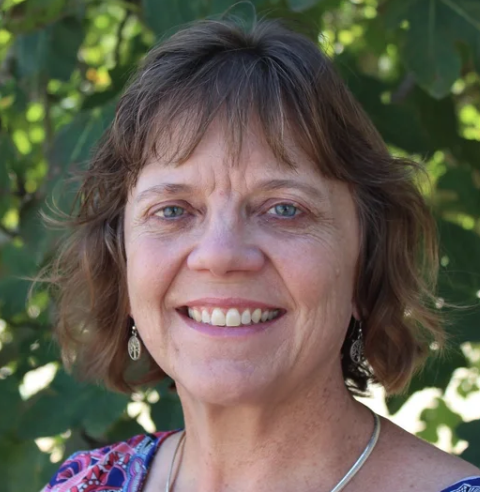
About Rhonda Aubrey, R.N.
Rhonda Aubrey, MHI, is the Co-Founder and Vice President of Programs at Beheld, an innovative organization delivering a human-first, science-backed connection program designed to enhance emotional well-being and improve health outcomes. Aubrey brings more than three decades of leadership experience at the intersection of nursing, healthcare operations, and innovation.
Trained first as a nurse and later in business and healthcare innovation, she combines deep clinical insight with operational expertise to design programs that are both compassionate and evidence-informed. She served as the long-term Chief Operating Officer of the Community Health Center Network (CHCN) in California, a unique health center–owned, risk-bearing network of eight Federally Qualified Health Centers (FQHCs). In that role, she oversaw complex systems of care for diverse, underserved populations, strengthening FQHC capacity while building durable partnerships with health plans to better align care delivery with value-based investment strategies.