








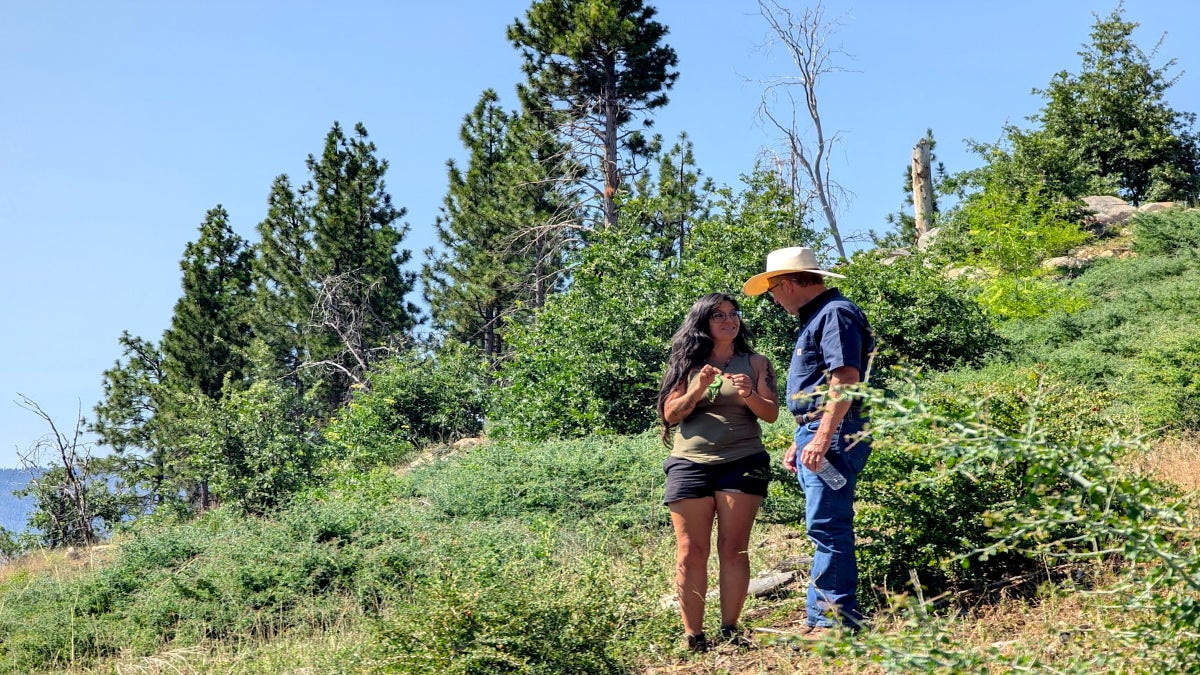
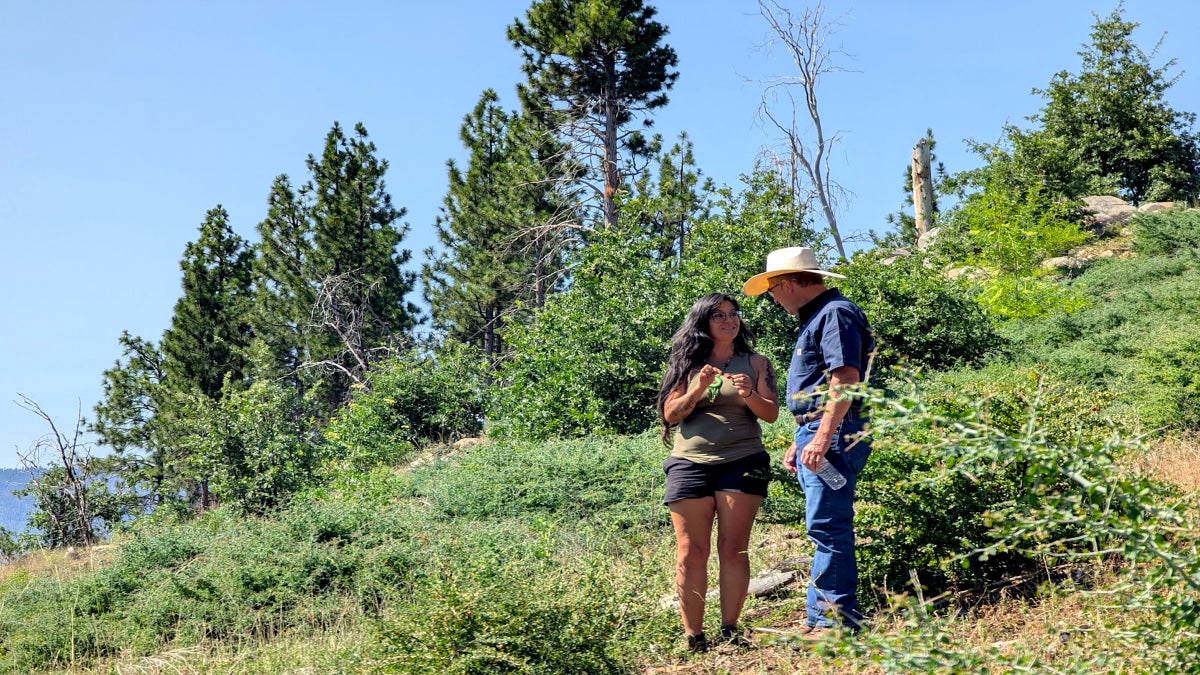
A Native American tribe displaced by 19th-century settlers near Yosemite National Park has reacquired hundreds of acres of its ancestral homeland.
The Southern Sierra Miwuk Nation, a group indigenous to Yosemite and California’s Mariposa County, has regained ownership of close to 900 acres of tribal land 175 years after their ancestors were evicted during the California Gold Rush in the 1840s.
In a press release sent to Outside, the nonprofit Pacific Forest Trust (PFT) said it acquired the parcel of land two decades ago to protect it from development. The PFT, which works to conserve privately owned forests in California and Oregon, has prepared the parcel for its tribal return, including restoring the land after the devastating 2018 Ferguson Fire. On December 1, the PFT officially transferred ownership of the land to the Southern Sierra Miwuk.
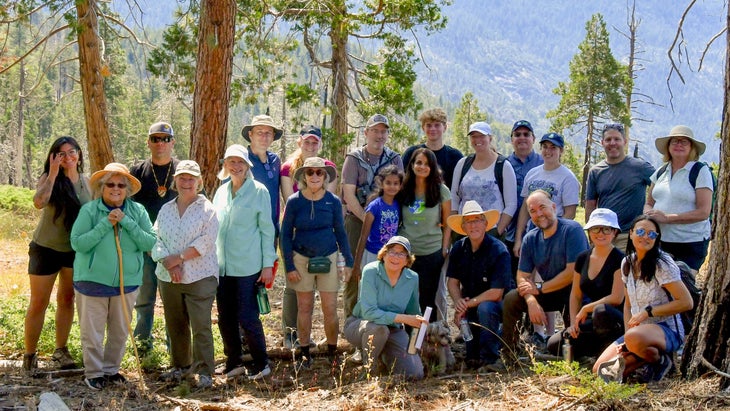
“Having this significant piece of our ancestral Yosemite land back will bring our community together to celebrate tradition and provide a healing place for our children and grandchildren,” said Tribal Council Chair and elder Sandra Chapman in the press release sent to Outside. “It will be a sanctuary for our people.”
Tara Fouch-Moore, the tribal secretary of the Southern Sierra Miwuk Nation, also explained that the restoration of ownership will also aid her tribe’s ecological practices and movement towards food sovereignty.
“This transfer reunites our people to this unique area of our homeland after 175 years of displacement,” said Fouch-Moore. “We will be able to harvest and cultivate our traditional foods, fibers, and medicines and steward the land using traditional ecological knowledge, strengthening our relationships with plants and wildlife, and benefiting everyone by restoring a more resilient and abundant landscape.”
The land borders modern-day Yosemite National Park and the Sierra National Forest. Its key geographic feature is a prominence called Henness Ridge, which PFT describes as both naturally and culturally significant, as it is home to “a traditional Native American trail from the Central to the Yosemite Valley and a key migration corridor for deer and other mammals.” Branches of the Wild and Scenic Merced River also border the parcel. In addition to managing the returned land, the tribe will be able to protect the water quality of two tributaries feeding the South Fork Merced.
PFT says it has not only protected the land from development, but has also strengthened its role as a buffer to Yosemite, and prioritized both conservation and cultural restoration.
“Under tribal ownership, this beautiful landscape will be stewarded to build conserved habitat connectivity between the Yosemite National Park and Sierra National Forest that will support forests, meadows, springs, biodiversity, and local workforce development of this beloved area,” California Natural Resources Agency Deputy Secretary for Tribal Affairs, Geneva Thompson, told Outside.
In addition to protecting water quality, the Southern Sierra Miwuk announced plans to restore biodiversity and climate resilience through traditional ecological practices, including cultural fire, cultivation of native plants, and forest restoration. The tribe’s work will also speed the movement across private-public corridors for plants and animals adapting to climate change, and provide a unique platform for public education on the multiple benefits of indigenous climate-smart land stewardship, given the land’s proximity to Yosemite National Park, one of the most-visited national parks in the United States.
This victory for the Southern Sierra Miwuk comes just a few months after the Iipay Nation of Santa Ysabel reacquired 1,107 acres of their ancestral homeland in San Diego County, near the town of Julian.
The restoration of ownership for the Southern Sierra Miwuk will also likely bolster their longstanding petition for federal recognition, which the tribe has campaigned for since 1982.
“Our ancestors signed treaties in good faith with the federal government during the Gold Rush,” the tribe explains on its website. “These treaties were hidden away and left unratified, leaving the Southern Sierra Miwuk Nation and many California Indians landless.”
Federal recognition establishes a formal government-to-government relationship between a tribe and the United States. Achieving this status acknowledges sovereignty, granting a tribe the ability to govern itself, maintain a tribal court system, and levy taxes. Among other benefits, it also unlocks access to federal funding for housing, education, and healthcare through the Indian Health Service. Furthermore, recognition provides the legal framework to place land into federal trust, ensuring that the Southern Sierra Miwuk’s regained territory is permanently protected for future generations.
The land transfer just announced between the PFT and the Southern Sierra Miwuk was funded by a grant from the California Natural Resources Agency’s Tribal Nature-Based Solutions Program.
The post ‘A Sanctuary for Our People’—A Displaced Tribe Just Reclaimed Ancestral Territory Near Yosemite appeared first on Outside Online.